



May 9, 2026

Benedictine abbot warns of Christian collapse in the Holy Land

Thomas Colsy
More
Related
Min read
share

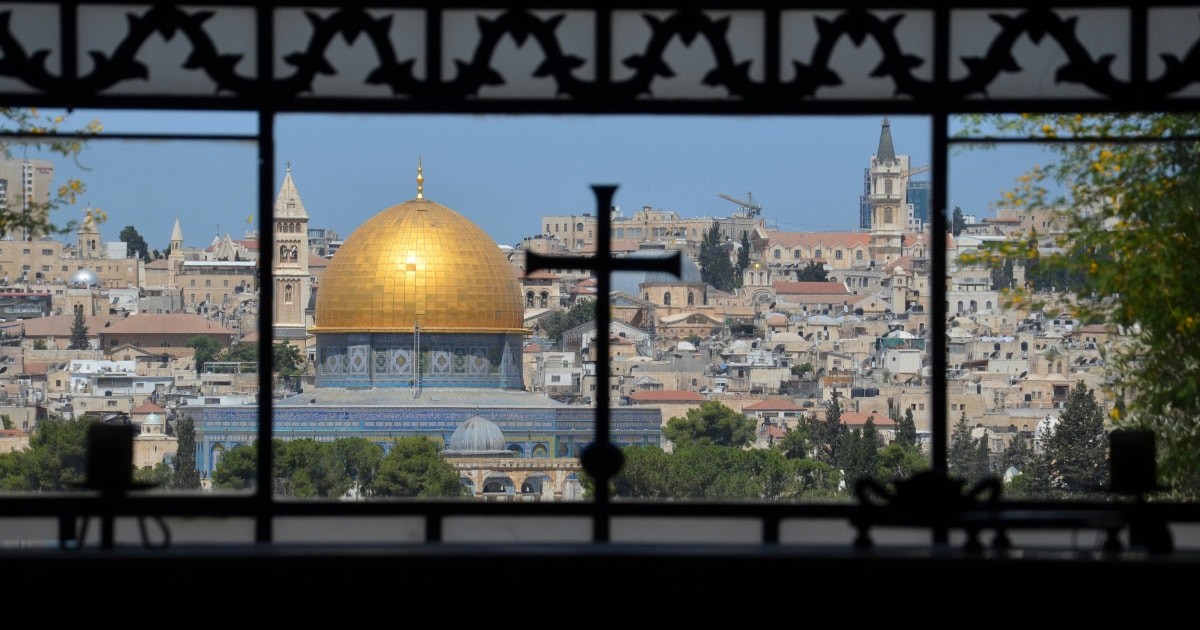
A senior Catholic abbot in Jerusalem has warned in an April 27 interview that Christianity risks disappearing from the Holy Land altogether amid war. He also drew attention to the concrete dangers of emigration and rising hostility towards indigenous Christians, as Church leaders across the Middle East report accelerating demographic collapse in some of the world’s oldest Christian communities.

Speaking to the Catholic charity Aid to the Church in Need in comments published by the charity, Benedictine Abbot Nikodemus Schnabel said he feared the Holy Land could become “a kind of ‘Christian Disneyland’”, where holy sites remain active but native Christian life disappears.


“The holy places will remain, with monks and priests,” he said. “But there might be no Christian families, no young Christians, no ordinary Christian life.”

Christians today account for less than 2 per cent of the population in Israel and the Palestinian territories combined, a dramatic decline from the early 20th century, when Christian communities formed a substantially larger proportion of cities such as Jerusalem, Nazareth and Bethlehem. In Bethlehem itself, Christians reportedly comprised around 80 per cent of the population in the 1950s; today estimates generally place the figure below 15 per cent.

Schnabel linked the exodus to ongoing regional conflict, economic instability and growing intimidation directed at Christians in Jerusalem and elsewhere. He referred to incidents involving extremist Jewish groups, including reports of clergy being spat at, churches vandalised and Christian property targeted with graffiti and arson attacks.

The abbot himself became internationally known in 2024 after footage emerged showing him being spat on by two Israeli settlers while walking through West Jerusalem in Benedictine habit. Following the incident, Schnabel wrote online that the footage reflected “a part of the reality of my life that’s rarely filmed”.

Israeli officials and Jewish religious leaders condemned the attack at the time, though Church representatives warned that such incidents had become increasingly frequent. In 2023, the Latin Patriarchate of Jerusalem reported repeated attacks on clergy, cemeteries and Christian institutions in the city’s Old City.

The warning comes amid a wider collapse of historic Christian populations across the Middle East. Iraq’s Christian population, estimated at approximately 1.5 million before the 2003 Iraq War, has fallen to fewer than 250,000 after decades of conflict, Islamist violence and emigration. Syria’s Christian population has also fallen sharply since the outbreak of civil war in 2011, with some estimates suggesting it has declined by more than half.

Lebanon remains the only Middle Eastern state where Christians continue to form a substantial proportion of the population, though the demographic balance there has also shifted significantly over recent decades. Meanwhile, ancient Christian communities in places such as Mosul, Aleppo and the Nineveh Plains – areas where Christianity predates Islam by centuries – have experienced sustained depopulation.

Egypt, home to the ancient Coptic Christian community founded according to tradition by St Mark the Evangelist, remained majority Christian for centuries after the Islamic conquest of the seventh century. Historians generally date Egypt’s transition to a Muslim-majority society to approximately the 12th to 14th centuries, meaning the country remained predominantly Christian for roughly 500 to 700 years under Islamic rule before demographic reversal occurred. Today, Christians are estimated to comprise around 10 per cent of Egypt’s population, although exact figures remain disputed.

Schnabel stressed that the pressures facing Christians in the Holy Land were not solely economic. “The paradox is clear,” he said. “The place where the most important events of our faith occurred risks losing its indigenous Christians.”

The concerns raised by the Benedictine abbot come as Pope Leo XIV has repeatedly highlighted the plight of Middle Eastern Christians since his election. Earlier this week, the Vatican confirmed that the Pope had discussed the situation of Christians in southern Lebanon and the West Bank during a telephone conversation with António Costa.

Continue reading with a free account

Create a free account to read up to five articles each month
Create free account

You have # free articles remaining this month.

Subscribe to get unlimited access.
Sign up

subscribe to the catholic herald today

Our best content is exclusively available to our subscribers. Subscribe today and gain instant access to expert analysis, in-depth articles, and thought-provoking insights—anytime, anywhere. Don’t miss out on the conversations that matter most.
Subscribe