
March 3, 2026

Bishop Oster will follow Vatican guidance on German Synodal Conference

Niwa Limbu
More
Related
Min read
share

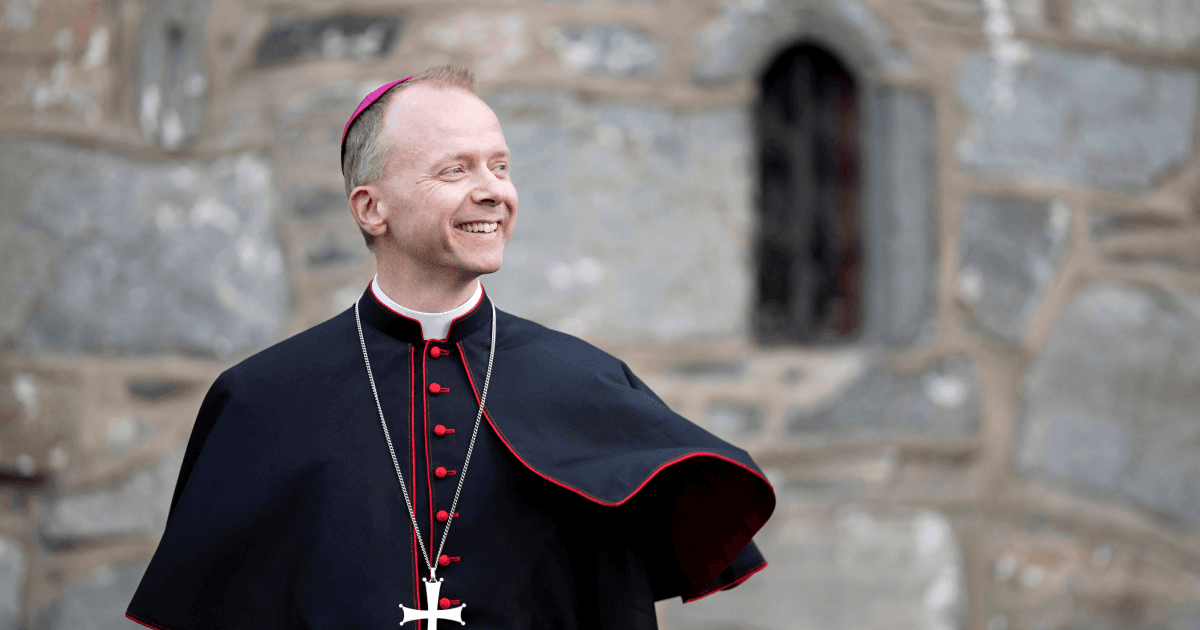
Bishop Stefan Oster has said he is waiting “with some anticipation” for the Vatican’s response to the proposed Synodal Conference in Germany.

In an interview with the German Catholic outlets katholisch.de and KNA, the Bishop of Passau indicated that his participation in the initiative would depend upon Rome’s judgement. “I’ve always said that I will go with the universal Church,” he said, making clear that his stance remains conditional on agreement with the Holy See. “If we do it in agreement with the universal Church, then I’ll participate.”
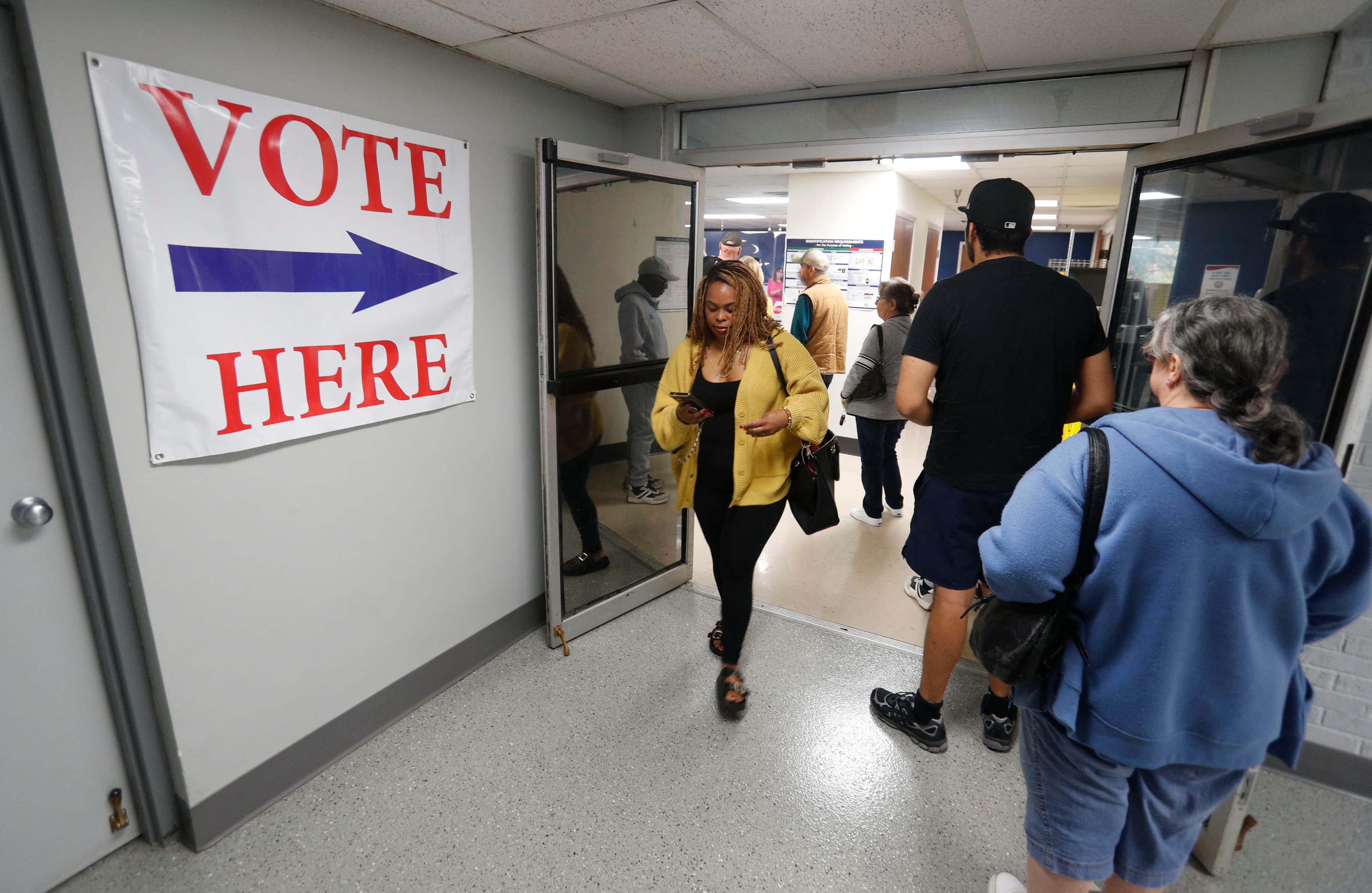
This comes after the German Bishops’ Conference recently approved statutes for the Synodal Conference to be constituted as a permanent body. Plans foresee 27 diocesan bishops, 27 lay members and a further 27 elected representatives taking part. The statutes state that “the members of the Synodalkonferenz each have the same right to vote” and that they “are not bound by any instructions in the exercise of their rights”.

Bishop Oster, who previously withdrew from the Synodal Path, suggested that the terminology used in the statutes, particularly the distinction between “passing resolutions” and “deciding”, would likely attract scrutiny in Rome. He also discussed meetings at the Vatican in which German representatives sought to clarify that the new body would not claim authority incompatible with episcopal governance or universal Church teaching.

“I’m curious to see how the Romans will respond,” he said. At the same time, he expressed confidence that the process would not simply be halted, noting that over more than two years a form of “reciprocity” had developed between German Church leaders and Vatican officials. “The Romans also have an interest in ensuring that no one leaves this with a loss of face,” he observed.

The bishop’s reservations remain substantial. He questioned whether elements of the planned monitoring mechanism, intended to review how dioceses implement earlier Synodal Path resolutions, presuppose what he described as a “changed anthropology”. “I am Catholic, I represent Catholic anthropology”. He added that it remains unclear whether such monitoring would in fact fall within the competence of the Synodal Conference.

Within his own Diocese of Passau, Bishop Oster said he had openly discussed the question of participation with diocesan bodies. A majority of his diocesan council supported a cautious approach, backing him should he decide not to take part.

“The most important point is that we truly listen to one another in a safe space,” he said, calling for a process free from political calculation or public coercion. He emphasised that synodality, as articulated in Rome, is not about altering doctrine but about communicating and living the faith in contemporary circumstances. In his view, attempts to focus on doctrinal change have risked distorting that purpose within the German debate.

Leadership within the German Bishops’ Conference has also shifted. Bishop Heiner Wilmer of Hildesheim, recently elected chairman, has supported key reform texts emerging from the Synodal Path. Bishop Oster expressed confidence in Wilmer’s capacity to guide the conference, saying he believed the new chairman would both transmit the German discussions faithfully to Rome and recognise that unanimity among the bishops has not always been as strong as portrayed.

Beyond ecclesiastical governance, Bishop Oster reflected on a contrasting development: a noticeable increase in interest in Catholicism among some younger adults. While acknowledging that hundreds of thousands formally leave the Church in Germany each year, he pointed to a smaller but significant movement in the opposite direction. “The phenomenon exists,” he said, referring to young people encountering the faith through digital platforms, online forums and video content.

In Germany, the Catholic dioceses continue to face a severe vocation crisis, with priestly ordinations reaching historic lows: only 29 new diocesan priests in 2024 and reportedly around 25 nationwide in 2025, according to Deutsche Bischofskonferenz statistics.

Many dioceses, including several in Bavaria and eastern Germany, recorded zero ordinations in recent years, while others managed just one or two. Trier stood out with the highest number at four in 2024. Seminarian numbers remain critically low across most dioceses, with many sharing formation programmes or reporting single-digit candidates in training.

The Diocese of Passau under Bishop Oster, however, has shown relatively consistent small numbers, ordaining one priest in 2024, Christoph Mader, and one in 2023, Tobias Asbeck, with three in 2022, and maintaining about three seminarians currently in formation at Priesterseminar St Stephan. This contrasts with many other dioceses experiencing complete dry spells or sharp declines.

What was made clear in the interview was that the final word belongs not to Würzburg but to Rome. The current proposal for a Synodal Conference is more cautious in language. It avoids earlier terminology and contains explicit references to episcopal rights. Yet a permanent mixed body of bishops and lay representatives deliberating and passing resolutions would represent an uncharted development. Should the Vatican recognise it, the body is scheduled to meet in November 2026, with statutes likely approved initially ad experimentum, as is common with new structures.

The file now rests in Rome and is understood to be under review by the Dicastery for Bishops, with input from the Dicastery for the Doctrine of the Faith and the Secretariat of State. Pope Leo XIV has reportedly been briefed repeatedly.

Bishop Oster knows this is a delicate balance and has not positioned himself as an obstructionist. Instead, his confidence is that Rome will seek a solution in which “no one loses face”, securing unity without capitulation.

The likely outcome, judged by precedent, is substantial amendment. Provisions implying equal voting authority between bishops and lay members, or clauses that would oblige bishops to justify departures from conference resolutions, sit uneasily with Catholic teaching on the episcopal office.

Towards the end of his interview, Bishop Oster spoke of younger Catholics drawn to liturgy, tradition and a clear Christian identity. He hinted that renewal may come less from assemblies of synodality than from reverent worship and doctrinal clarity, presenting an alternative vision for Germany rather than managerial reform.

The coming months will determine whether the Synodal Conference proceeds as drafted, is heavily amended or is refused in its present form. Canonical recognition ad experimentum is conceivable, but only with explicit safeguards.

Bishop Stefan Oster has said he is waiting “with some anticipation” for the Vatican’s response to the proposed Synodal Conference in Germany.

In an interview with the German Catholic outlets katholisch.de and KNA, the Bishop of Passau indicated that his participation in the initiative would depend upon Rome’s judgement. “I’ve always said that I will go with the universal Church,” he said, making clear that his stance remains conditional on agreement with the Holy See. “If we do it in agreement with the universal Church, then I’ll participate.”
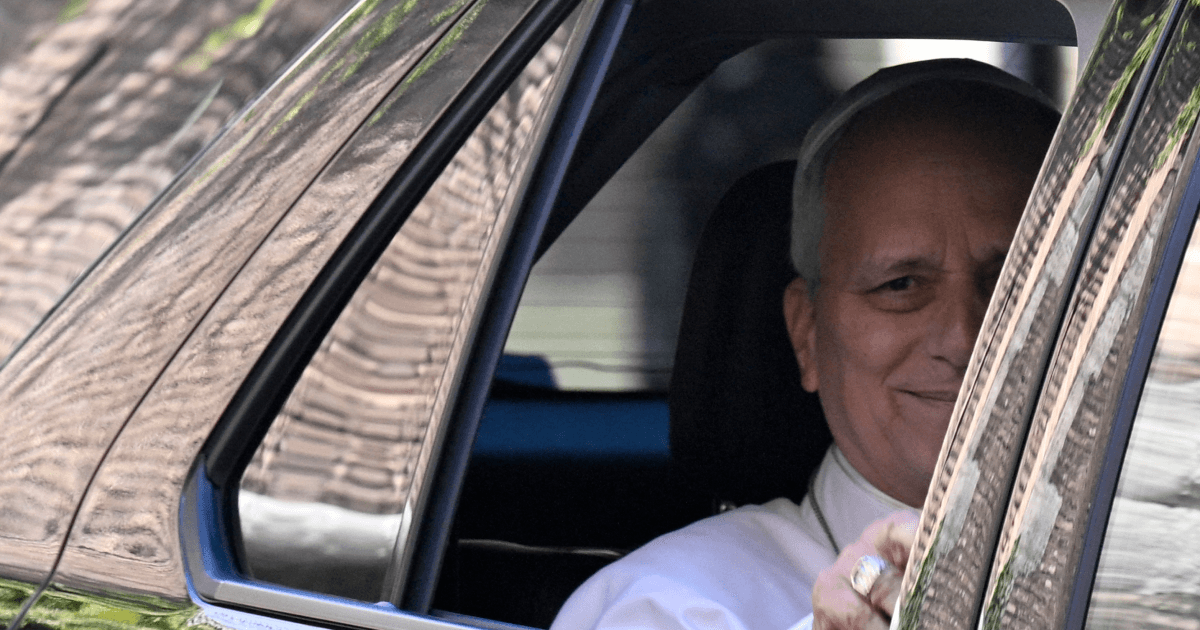
This comes after the German Bishops’ Conference recently approved statutes for the Synodal Conference to be constituted as a permanent body. Plans foresee 27 diocesan bishops, 27 lay members and a further 27 elected representatives taking part. The statutes state that “the members of the Synodalkonferenz each have the same right to vote” and that they “are not bound by any instructions in the exercise of their rights”.

Bishop Oster, who previously withdrew from the Synodal Path, suggested that the terminology used in the statutes, particularly the distinction between “passing resolutions” and “deciding”, would likely attract scrutiny in Rome. He also discussed meetings at the Vatican in which German representatives sought to clarify that the new body would not claim authority incompatible with episcopal governance or universal Church teaching.

“I’m curious to see how the Romans will respond,” he said. At the same time, he expressed confidence that the process would not simply be halted, noting that over more than two years a form of “reciprocity” had developed between German Church leaders and Vatican officials. “The Romans also have an interest in ensuring that no one leaves this with a loss of face,” he observed.

The bishop’s reservations remain substantial. He questioned whether elements of the planned monitoring mechanism, intended to review how dioceses implement earlier Synodal Path resolutions, presuppose what he described as a “changed anthropology”. “I am Catholic, I represent Catholic anthropology”. He added that it remains unclear whether such monitoring would in fact fall within the competence of the Synodal Conference.

Within his own Diocese of Passau, Bishop Oster said he had openly discussed the question of participation with diocesan bodies. A majority of his diocesan council supported a cautious approach, backing him should he decide not to take part.

“The most important point is that we truly listen to one another in a safe space,” he said, calling for a process free from political calculation or public coercion. He emphasised that synodality, as articulated in Rome, is not about altering doctrine but about communicating and living the faith in contemporary circumstances. In his view, attempts to focus on doctrinal change have risked distorting that purpose within the German debate.

Leadership within the German Bishops’ Conference has also shifted. Bishop Heiner Wilmer of Hildesheim, recently elected chairman, has supported key reform texts emerging from the Synodal Path. Bishop Oster expressed confidence in Wilmer’s capacity to guide the conference, saying he believed the new chairman would both transmit the German discussions faithfully to Rome and recognise that unanimity among the bishops has not always been as strong as portrayed.

Beyond ecclesiastical governance, Bishop Oster reflected on a contrasting development: a noticeable increase in interest in Catholicism among some younger adults. While acknowledging that hundreds of thousands formally leave the Church in Germany each year, he pointed to a smaller but significant movement in the opposite direction. “The phenomenon exists,” he said, referring to young people encountering the faith through digital platforms, online forums and video content.

In Germany, the Catholic dioceses continue to face a severe vocation crisis, with priestly ordinations reaching historic lows: only 29 new diocesan priests in 2024 and reportedly around 25 nationwide in 2025, according to Deutsche Bischofskonferenz statistics.

Many dioceses, including several in Bavaria and eastern Germany, recorded zero ordinations in recent years, while others managed just one or two. Trier stood out with the highest number at four in 2024. Seminarian numbers remain critically low across most dioceses, with many sharing formation programmes or reporting single-digit candidates in training.

The Diocese of Passau under Bishop Oster, however, has shown relatively consistent small numbers, ordaining one priest in 2024, Christoph Mader, and one in 2023, Tobias Asbeck, with three in 2022, and maintaining about three seminarians currently in formation at Priesterseminar St Stephan. This contrasts with many other dioceses experiencing complete dry spells or sharp declines.

What was made clear in the interview was that the final word belongs not to Würzburg but to Rome. The current proposal for a Synodal Conference is more cautious in language. It avoids earlier terminology and contains explicit references to episcopal rights. Yet a permanent mixed body of bishops and lay representatives deliberating and passing resolutions would represent an uncharted development. Should the Vatican recognise it, the body is scheduled to meet in November 2026, with statutes likely approved initially ad experimentum, as is common with new structures.

The file now rests in Rome and is understood to be under review by the Dicastery for Bishops, with input from the Dicastery for the Doctrine of the Faith and the Secretariat of State. Pope Leo XIV has reportedly been briefed repeatedly.

Bishop Oster knows this is a delicate balance and has not positioned himself as an obstructionist. Instead, his confidence is that Rome will seek a solution in which “no one loses face”, securing unity without capitulation.

The likely outcome, judged by precedent, is substantial amendment. Provisions implying equal voting authority between bishops and lay members, or clauses that would oblige bishops to justify departures from conference resolutions, sit uneasily with Catholic teaching on the episcopal office.

Towards the end of his interview, Bishop Oster spoke of younger Catholics drawn to liturgy, tradition and a clear Christian identity. He hinted that renewal may come less from assemblies of synodality than from reverent worship and doctrinal clarity, presenting an alternative vision for Germany rather than managerial reform.

The coming months will determine whether the Synodal Conference proceeds as drafted, is heavily amended or is refused in its present form. Canonical recognition ad experimentum is conceivable, but only with explicit safeguards.

subscribe to
the catholic herald

Continue reading your article with a subscription.
Read 5 articles with our free plan.
Subscribe

subscribe to the catholic herald today

Our best content is exclusively available to our subscribers. Subscribe today and gain instant access to expert analysis, in-depth articles, and thought-provoking insights—anytime, anywhere. Don’t miss out on the conversations that matter most.
Subscribe