June 9, 2026

Bishop Schneider: Freemasonry is a root of the post-conciliar crisis

Thomas Colsy
More
Related
Min read
share

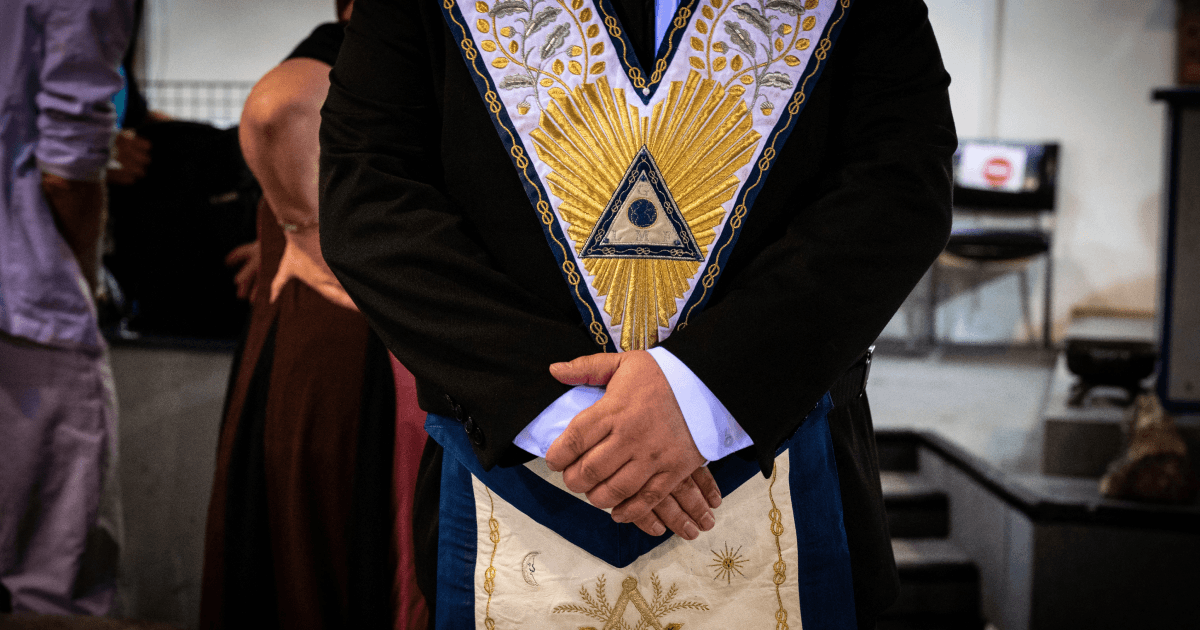
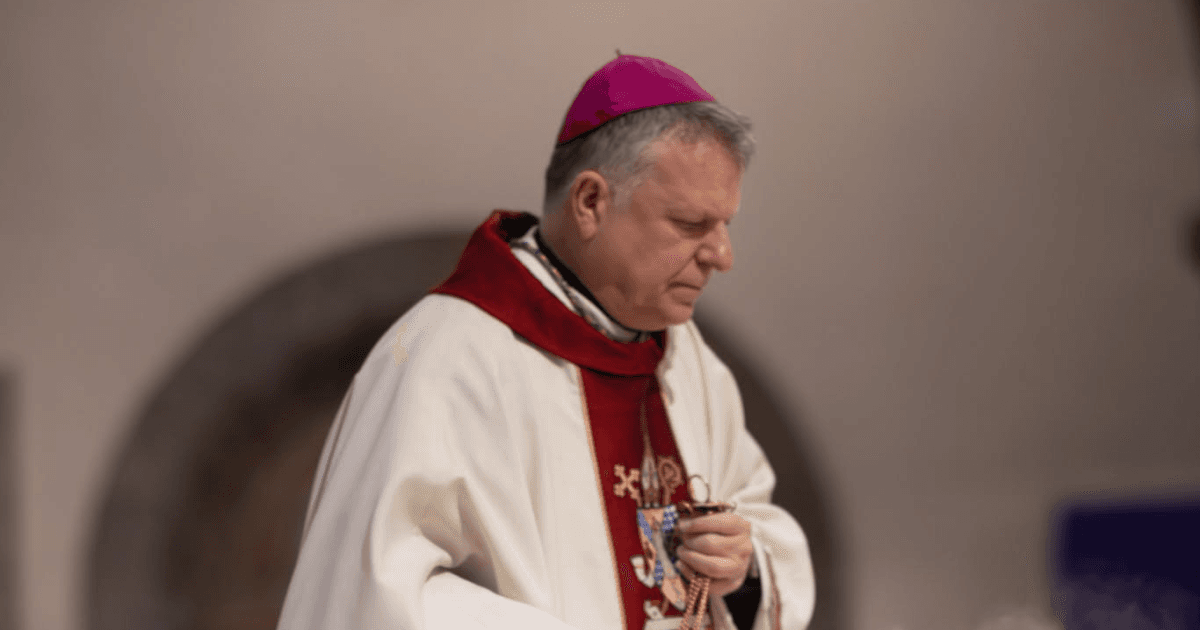
Bishop Athanasius Schneider, auxiliary bishop of Astana, has identified Freemasonry as a principal source of the crisis that has afflicted the Catholic Church since the Second Vatican Council, describing its infiltration as a “demonic” tactic aimed at corrupting doctrine, worship and the centrality of Christ. In a wide-ranging interview released on May 22, 2026, with Adrian Milag, the bishop, who endured Soviet communist persecution as a child, spoke with notable frankness about the dangers of relativism, naturalism and man-centred liturgy.

Bishop Schneider, whose parents organised secret Masses under communist rule, explained why he devoted a chapter to Freemasonry in his new book Credo: Compendium of the Catholic Faith. “This is one of the most dangerous sects and secret pseudo-religious sects, which is a form of Gnosticism,” he said. “In higher levels it is ever more approaching the worship of Satan.” He identified its “basic dogma” as relativism: “There is no truth in religion, all religions are equal, and everyone can choose his own god.” The second dogma, he added, is “anthropocentrism – man must be in the centre of all, not God”.

The bishop was direct about the mechanism of influence. “The greatest obstacle for the ideology of Freemasonry is Jesus Christ, the incarnated God … This is most contrary to the entire spiritual edifice of Freemasonry.”

He continued: “Freemasonry [always] had the aim to marginalise the Catholic faith and to fight it. And now they changed to another tactic that is really demonic in order to fight directly against the Catholic faith, they started to infiltrate within the Church to corrupt the Church with their ideas of relativism, of naturalism, of anthropocentrism within … this is the root of the current crisis of the Church since the Second Vatican Council.”

Bishop Schneider stressed that he was not claiming Freemasons were solely responsible for every problem in the Church, but noted clear parallels between their stated ideology and aims and the contemporary Church’s confusion. “The crisis for 60 years from the Council onward is the primacy of relativism, through the so-called ecumenism and interreligious dialogue. Jesus Christ is dissolved of His uniqueness among other religions.” He pointed to the liturgy as a particularly clear manifestation: “The second phenomenon within the Catholic Church since the Council is to put man at the centre in the liturgy … and Christ is put at the corner, on the side, even in the churches. The Holy Eucharist … the living Christ, the living incarnated God, is put in the corner and the priest puts himself in his chair, in the centre. This is so anthropocentric.”

He criticised the practice of celebrating Mass facing the people: “The manner to celebrate Holy Mass facing the people like a closed circle … the altar is no longer an altar. No, it is a table, and the centre is the priest not Christ. They say in theory, yes, but not in practice.” The bishop called for a return to Christocentric worship, including kneeling for Holy Communion and restoring the traditional orientation of the altar.

Bishop Schneider also made a pointed appeal to Pope Leo XIV concerning the Society of St Pius X, urging a generous pastoral gesture to avoid schism. “Holy Father, be a good shepherd, a generous shepherd … Why [is it that] you cannot [make] an address first to your own children and grant them in an exceptional way the permission to consecrate bishops who will love you and pray for you?” He warned: “Do not go down in history, dear Pope Leo XIV, as a pope who accepted or permitted the devil divorce a schism or again excommunications … You can avoid it with a generous pastoral gesture.”

The bishop, who received the faith “with mother’s milk” in the underground Church and still recalls secret night Masses with doors and windows closed, expressed deep affection for the Filipino people’s devotion to the Santo Niño and the Traditional Latin Mass, noting that the latter was the form celebrated at the first Mass in the Philippines in 1521. He urged continued fidelity to the ancient liturgy: “Please keep this Mass, spread it, start it again … You can say it is our Mass of our origin.”

Bishop Schneider’s interview has resonated strongly among Catholics concerned about the direction of the Church since the Council. The full interview continues to be shared widely as traditional Catholics reflect on his diagnosis of the present crisis.

Continue reading with a free account

Create a free account to read up to five articles each month
Create free account

You have # free articles remaining this month.

Subscribe to get unlimited access.
Sign up

subscribe to the catholic herald today

Our best content is exclusively available to our subscribers. Subscribe today and gain instant access to expert analysis, in-depth articles, and thought-provoking insights—anytime, anywhere. Don’t miss out on the conversations that matter most.
Subscribe