August 17, 2026

Bishop Schneider says SSPX gives Church a ‘service of historical value’

Michael Haynes
More
Related
Min read
share

The former apostolic visitor to the Society of Saint Pius X has released a lengthy assessment of the Society’s consecrations, saying they face “a tragic choice” in either accepting “uncertain and unclear aspects of doctrine and liturgy”, or to “disobey the Pope in a matter of grave importance”.

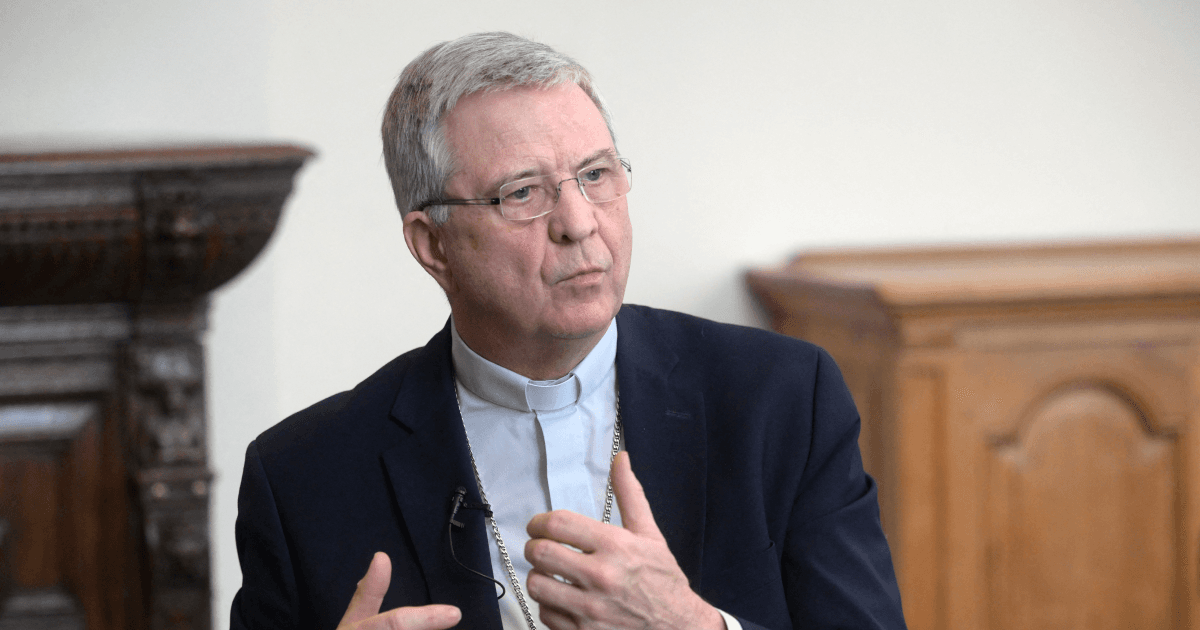
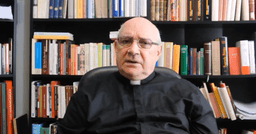
Bishop Athanasius Schneider has published a detailed response to the question of the SSPX’s episcopal consecrations, neither casting judgement on the Society or the Holy See’s response, but outlining the nuanced issues present throughout the case.  
He pointed to his own episcopal namesake, relating that in today’s Church “St. Athanasius would be considered a schismatic according to the definition of ‘schism’ in the current Code of Canon Law, since he refused to be in communion with members of the Church (heretic and semi-heretic bishops) who were canonically recognised and thus subject to the Pope.”

The SSPX, said Schneider, “are also an instance of this rare dilemma: of having to choose between preserving the unambiguous integrity of the Catholic Faith as it was taught by the Magisterium throughout the ages, or being canonically recognised by the Pope.”

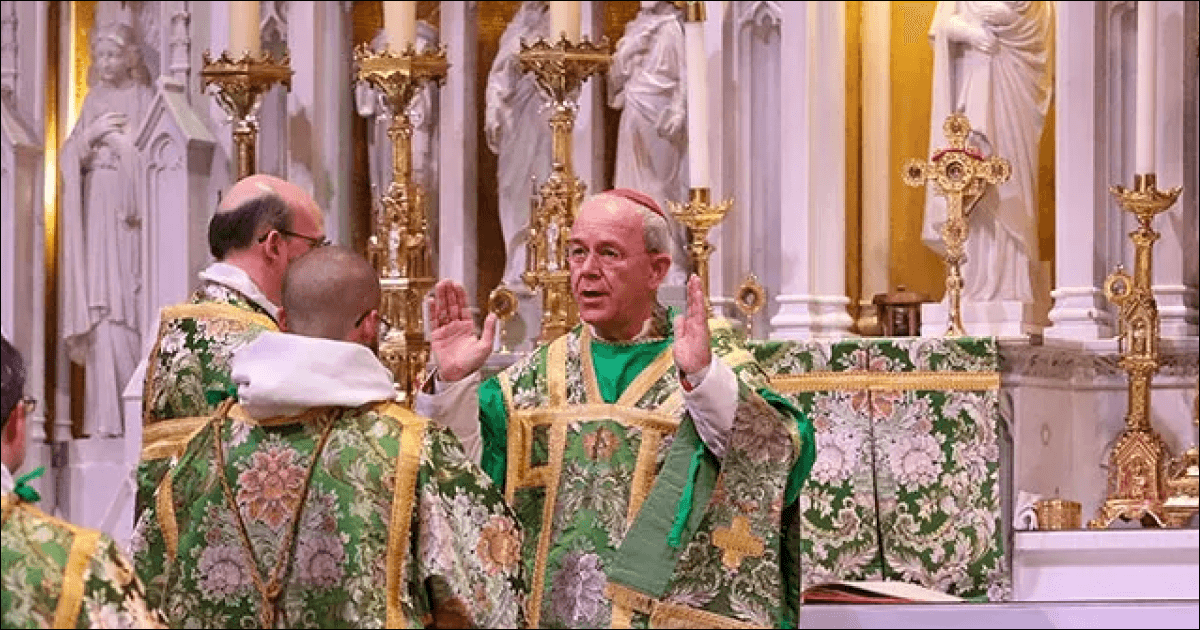
Schneider serves as the auxiliary bishop of the Archdiocese of Astana, Kazakhstan and previously served as the apostolic visitor to the SSPX upon direct appointment by the Vatican under Pope Francis. He has avoided directly supporting the Society in proceeding with the consecrations, whilst calling on the Holy See to grant the mandate for the consecrations.  

Referencing the “dilemma” the SSPX faced, Schneider stated that it was revealed by the conditions laid out by the Holy See for the SSPX’s canonical recognition. He lamented that the Society was being asked to “accept certain newly introduced doctrinal ambiguities (as reflected in some non-definitive teachings of the pastoral Second Vatican Council and in certain affirmations and acts of the post-conciliar Magisterium), and accept not only the validity but also the correctness (legitimacy) of the rite of the New Mass — despite its doctrinal and ritual vagueness, which marks a clear rupture with the traditional Roman Rite.”

Throughout the past months of the debate surrounding the SSPX, Schneider has been somewhat of a lone voice in calling for nuance, while pointing to historical elements regarding the matter of episcopal consecrations and what constitutes a schism.  

This style he continued in his statement, as the bishop worked through the meanings of schism, obedience, communion with the Pope, episcopal consecrations and the crisis of confusion which has emerged in recent decades. He first decried “two unhealthy developments within the Church over the past centuries that have led to a narrowed view of reality,” namely legalism and papalism. Combined, these two aspects have over-accentuated the papacy at the cost of having “unambiguity in faith and liturgy”, he said.

He also warned that many in the Church nowadays view obedience to the Pope as “indistinguishable from communion with the Church”, something which risks “elevating obedience to the Pope to the same level as obedience to God’s divine revelation.”

One thing of import which Schneider has reiterated throughout the SSPX debate, and repeated again today, is that historically, “canon law did not regard illicit episcopal ordinations — that is, those performed against the will of the Pope – as offences against the unity of the Church, as inherently schismatic acts, or as intrinsically evil.”

The SSPX have attested to their unity with the Pope throughout the consecration debate, defending the event as a necessary act for the good of the Church. Critics have responded that the SSPX cannot claim to be in union with the Holy See while proceeding with the very action that the Holy See forbade them from doing.  

But for Schneider, the situation is, as ever, more nuanced. The crisis in the Church is an aspect which must be taken into account, he said:

“The extraordinary nature of the current crisis in the Church is revealed, in the present case, by the fact that a community whose essential characteristic is the desire to be faithful to the Pope — and the Society of St. Pius X regards itself as such — faces a tragic choice: either obey the Pope, and thereby be forced to accept uncertain and unclear aspects of doctrine and liturgy, or disobey the Pope in a matter of grave importance, such as the consecration of bishops, with the sole intention of preserving the means to pass on the faith and the liturgy in their full integrity — as a service to souls, and thus to the entire Church, including the papacy itself.”

Schneider has praised the Society on previous occasions for contributing to the debate surrounding issues such as the Novus Ordo and Vatican II, and in his latest statement he echoed such words. In his assessment, the Society is “virtually the only community” in the Church that highlights the “evident doctrinal ambiguities in certain conciliar statements and in the rite of the New Mass, calling for their unequivocal clarification and, if necessary, even amendment, in accordance with the constant Magisterium of the Church.”

The auxiliary bishop praised the Society as aiding the Church by its contribution to the debate on such matter. “Through its tireless insistence on clarity in doctrine and liturgy, the SSPX renders a great service to the entire Church — a service of historical value.”

Schneider added how various statements “vague and ambiguous doctrinal statements of the Second Vatican Council” have “sown confusion”, needing direct clarification. He further warned that the much praised “‘hermeneutic of continuity’ or of ‘reform in continuity’” is a helpful approach but which “can also become a kind of ‘straitjacket,’ one that merely covers over, cosmetically, the wounds caused by doctrinal and liturgical ambiguities and confusion.”  

“In effect”, Schneider warned, “the Holy See requires a form of circular reasoning: that everything is in order, provided one makes sufficiently strenuous intellectual efforts.”

Urging the Vatican to engage with the Society on the points of theological debate inherent to the crisis in the Church, Schneider opined that such a move would be of great import for the Church. Should the Holy See do so and “take this stance of the SSPX seriously — and, moreover, acknowledge the objective ambiguities in certain statements of the Second Vatican Council and in the rite of the New Mass — it would mark the beginning of the end for the modernist project within the Church, which in fact began more than a hundred years ago.”

The full statement can be read online here.

Michael Haynes is an English journalist in the Holy See Press Corps. He serves as Vatican Correspondent for the Catholic Herald, while readers can follow him at Per Mariam and on X @MLJHaynes.

Continue reading with a free account

Create a free account to read up to five articles each month
Create free account

You have # free articles remaining this month.

Subscribe to get unlimited access.
Sign up

subscribe to the catholic herald today

Our best content is exclusively available to our subscribers. Subscribe today and gain instant access to expert analysis, in-depth articles, and thought-provoking insights—anytime, anywhere. Don’t miss out on the conversations that matter most.
Subscribe