April 25, 2026

Canary Islands bishops plead for help as migrant crisis deepens

The Catholic Herald
More
Related
Min read
share

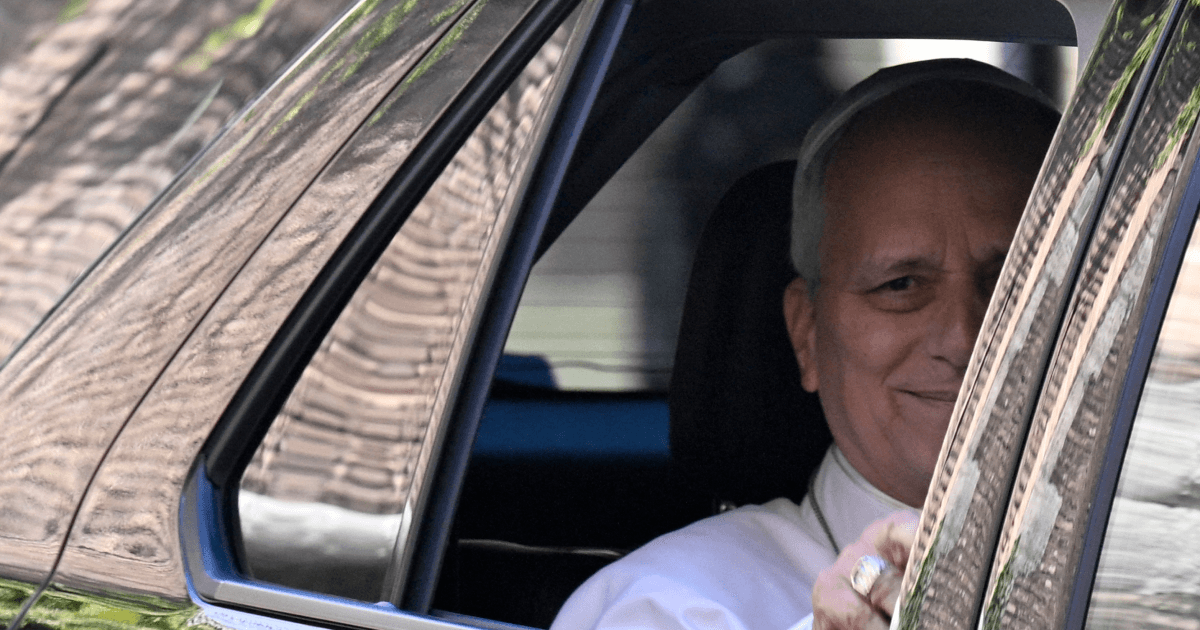
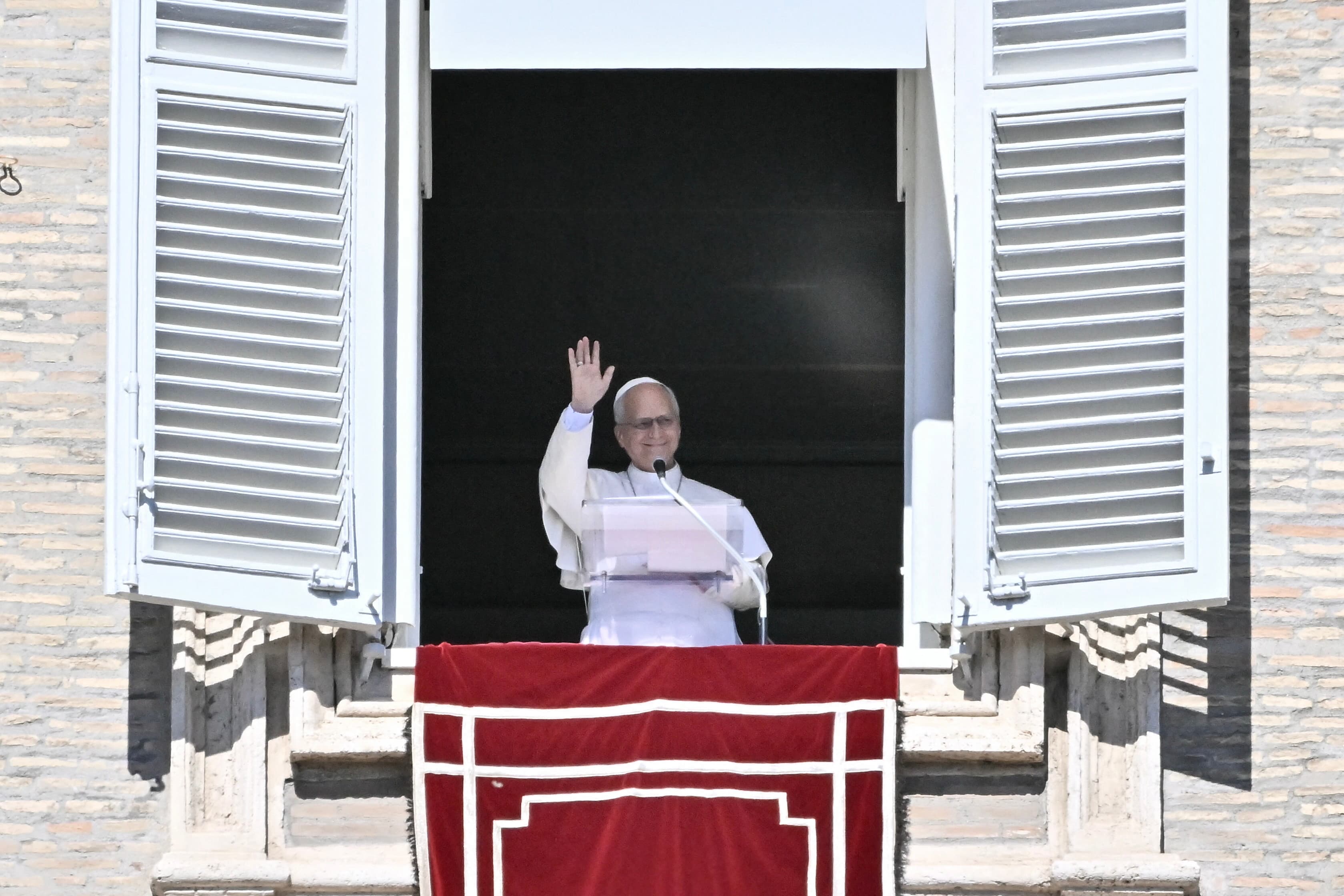
The bishops of the Canary Islands have spoken with unusual frankness about the strain placed on the archipelago by migration from Africa, warning that the local Church and civil authorities alike are increasingly overwhelmed by the human cost of the Atlantic route. Their intervention comes just weeks before Pope Leo XIV is due to visit Spain, with the final stage of his journey taking him to the islands in June.

Bishop Eloy Santiago of San Cristóbal de La Laguna, whose diocese covers Tenerife, said the Canaries have become Europe’s southern frontier in a crisis that often leaves those on the ground feeling helpless. He spoke of a shortage of both human and financial resources, and described the deadly sea crossing from Africa as a reality before which the islands often feel powerless.
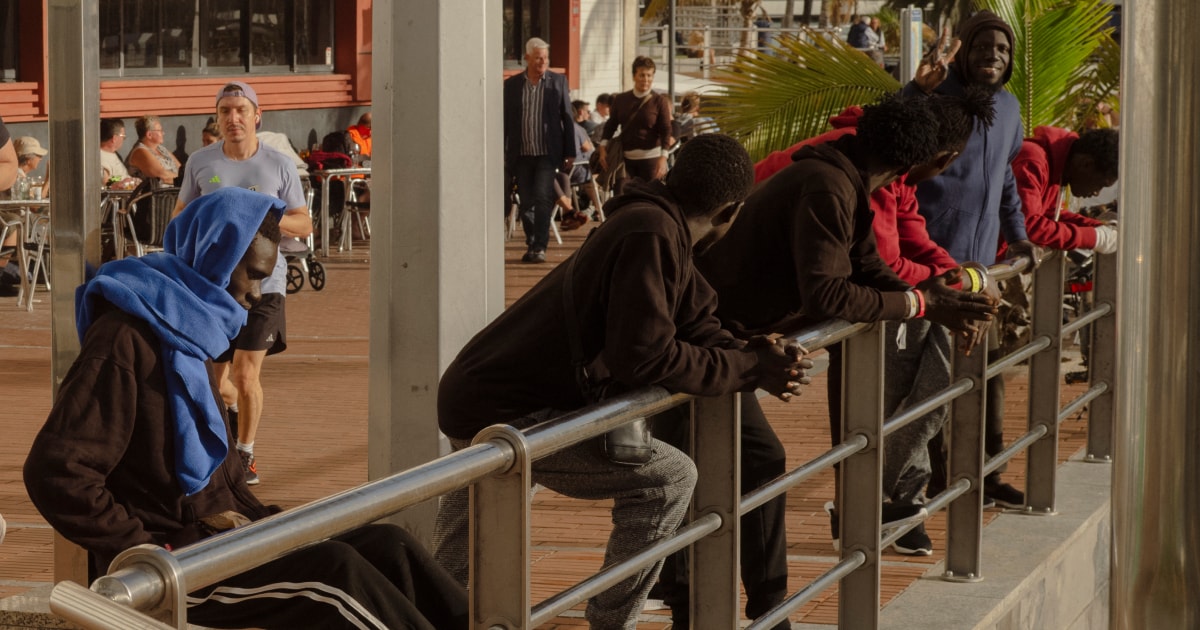
The route has become one of the most tragic migration corridors in the region. Since the first small boat from Africa reached the islands in 1994, thousands of migrants – most of them young men – have arrived in search of a future, while many others have perished in the attempt. Church leaders now hope the Pope’s presence will at least focus international attention on what they regard as a continuing humanitarian disaster.

Santiago said Leo’s visit would be a source of encouragement, but also a chance to draw wider notice to the suffering bound up with the Atlantic crossing. His fellow prelate, Bishop José Mazuelos of the Diocese of the Canary Islands, likewise expressed the hope that the Holy Father’s presence might cast fresh light on the crisis and perhaps help prompt efforts to bring the route to an end.

At the same time, Mazuelos was careful to insist that the Pope’s journey should not be reduced to a political gesture. Leo, he said, is not coming to wield migration as a partisan weapon, but as a pastor whose concern includes the broader life of the Church. Even so, the bishop made plain his impatience with those who criticise Catholic efforts to receive, protect and integrate migrants. To understand the ordeal, he suggested, one would have to endure days on the open Atlantic in a packed cayuco, without food, before judging those who arrive exhausted on the islands’ shores.

Mazuelos also argued that any serious response must go beyond emergency relief. Aid directed to countries of origin, he said, should be scrutinised to ensure it actually addresses the conditions driving migration, while criminal networks profiting from the crossings must be confronted more forcefully. He added that legal channels for labour migration ought also to be explored, pointing to the way Spaniards themselves once emigrated lawfully to other European countries for work.

Caritas leaders on the islands have framed the papal visit in similarly human terms. Caya Suárez, secretary-general of Caritas for the Diocese of Canary Islands, said Leo’s presence would not only recognise the welcome shown by local communities but also serve as a summons to prayer for those who have died on the route. She estimated that more than 19,000 people have been lost at sea since 2020 alone.

Further details of the June visit are still awaited, though two large papal Masses have already been confirmed. Mazuelos said he expects at least one event to include personal testimony, reflecting the Church’s effort to put a human face on migration rather than speak of it in abstract terms. The island of El Hierro, where the pressure has become especially acute, remains a potent symbol of the crisis: last year it received around 25,000 migrants despite having a resident population of roughly 9,000 to 11,000.

Whether or not the Pope is able to visit El Hierro itself, the issue is certain to hang over the final days of his Spanish journey. For the bishops of the Canaries, the hope is not that Leo will solve the crisis by a single appearance, but that his presence may force Europe to look more honestly at a frontier where desperation, death and Christian duty now meet.

Continue reading with a free account

Create a free account to read up to five articles each month
Create free account

You have # free articles remaining this month.

Subscribe to get unlimited access.
Sign up

subscribe to the catholic herald today

Our best content is exclusively available to our subscribers. Subscribe today and gain instant access to expert analysis, in-depth articles, and thought-provoking insights—anytime, anywhere. Don’t miss out on the conversations that matter most.
Subscribe