February 3, 2026
February 3, 2026

Cardinal Cobo says Madrid has no authority over Valle de los Caídos

Min read
share

Cardinal José Cobo has acknowledged in an off-the-record meeting with journalists that the Archdiocese of Madrid has no jurisdiction over either the Benedictine community or the basilica at the Valle de los Caídos.

In a recording of the meeting, obtained by InfoVaticana, held on January 23, the Archbishop of Madrid repeatedly sought to distance himself from responsibility for decisions concerning the pontifical monastery at Cuelgamuros, insisting that his authority extends only to pastoral matters. “We have no jurisdiction over either the community or the basilica, beyond the pastoral,” the cardinal said, stressing that the diocese merely “passes through there”.

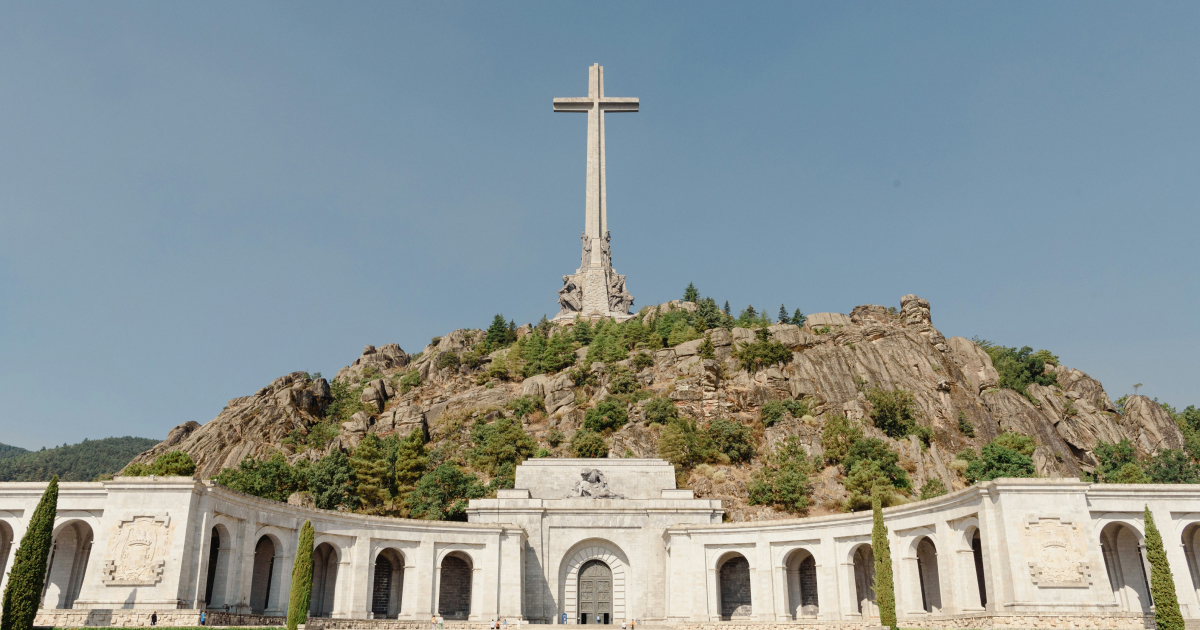
The Valle de los Caídos, a vast complex dominated by a basilica carved into rock and entrusted to a Benedictine community since the 1950s, has long been a focal point of political and cultural controversy in Spain. The current government of Prime Minister Pedro Sánchez has made clear its intention to transform the site.

According to Cardinal Cobo’s account, the Archdiocese of Madrid has no competence over material or architectural questions at the basilica, including “pews, chapels, accesses or architectural interventions”. Such matters, he said, fall to the Holy See, which has been engaged in direct discussions with the Spanish government through the Secretariat of State, led by Cardinal Pietro Parolin.

The cardinal told journalists that his involvement began only after the Benedictine community approached him for help when it feared possible expulsion. From that point, discussions were divided into two parallel tracks: one concerning the future of the monks themselves and another relating to the government’s broader political project for the site.

On the question of the community, Cardinal Cobo described an internal Church process that resulted in a change of prior, accompanied by Benedictine superiors from Solesmes in France and Leyre in Spain. He said that his intention had been to prevent the monks’ expulsion but acknowledged that he had told them that, if they were to remain, they would have to undergo what he called a “process of conversion”.

The cardinal did not explain what such a process would entail. He said that the Benedictines agreed to this condition and were allowed to stay, although he also confirmed that the community has since chosen to pursue its rights through administrative and legal appeals, a decision he said he respects, even if it was not the course he had initially advised.

Asked about a document signed with representatives of the Spanish government, Cardinal Cobo maintained that his role was limited to facilitating dialogue and establishing what he described as a “general framework” so that the Holy See would be aware of the situation. “I have not made any decision,” he said, adding that he did not authorise any specific interventions or delineate particular areas of the basilica for change.

Throughout the meeting, the cardinal returned repeatedly to what he portrayed as clear limits on his authority. Any action affecting the basilica itself, he said, must be decided in Rome, and he could neither approve nor assess technical or liturgical changes. He also stated that the government itself had been “very clear” that questions of property and decision-making concerning the basilica were matters for negotiation with the Holy See rather than the local diocese.

He expressed concern, however, about what he called an “interesting narrative” developing around the issue and warned that the dispute risked becoming entrenched. What has become entrenched is the question of how authority is exercised in the Archdiocese of Madrid when political pressure meets ecclesial ambiguity and whether a bishop can simultaneously act as if he holds power while publicly denying that he does. The controversy surrounding Cardinal José Cobo and the Valle de los Caídos is now not merely a political dispute, but one with serious canonical implications.

At the centre of the issue is that Cardinal Cobo has stated publicly and repeatedly that the Archdiocese of Madrid has no jurisdiction over the basilica or the Benedictine community at the Valle de los Caídos, yet a document signed in March 2025 appears to accept a “framework” that directly affects the interior of the basilica, a sacred space whose governance does not belong to the diocesan bishop. How is it possible to command on paper while insisting, before the cameras, that one cannot command at all?

There are only three possible explanations, and none of them reflects well on the current handling of the matter. The first is that Cardinal Cobo did in fact possess some form of mandate or delegated authority from the Holy See, but has never explained it. If this were the case, his public insistence that he had no jurisdiction would be at best equivocal.

The second possibility is more serious: that Cardinal Cobo truly had no jurisdiction, as he himself has claimed, and yet signed the document regardless. At that point the issue ceases to be a dispute about messaging and becomes a canonical problem. To sign an agreement affecting a sacred place without authority is not mediation but an invasion of competence.

The third explanation proposed by InfoVaticana is that the Spanish government needed a Church signature to legitimise its project of “resignifying” the site and found one. Under this reading, the document functions less as an act of governance than as a political instrument. A senior ecclesiastical figure signs, and the result can be presented as evidence that “the Church has agreed”, even if Rome has not given explicit approval.

The decisions rest ultimately with the Holy See, but a signed document from Cardinal Cobo authorises a narrative and provides justification for action. As reported by InfoVaticana, such a document can be used to support interventions within the basilica itself. The Valle de los Caídos, a site entrusted directly to the Holy See and bound up with Spain’s Franco history, only intensifies the seriousness of the matter.
Cardinal José Cobo has acknowledged in an off-the-record meeting with journalists that the Archdiocese of Madrid has no jurisdiction over either the Benedictine community or the basilica at the Valle de los Caídos.

In a recording of the meeting, obtained by InfoVaticana, held on January 23, the Archbishop of Madrid repeatedly sought to distance himself from responsibility for decisions concerning the pontifical monastery at Cuelgamuros, insisting that his authority extends only to pastoral matters. “We have no jurisdiction over either the community or the basilica, beyond the pastoral,” the cardinal said, stressing that the diocese merely “passes through there”.

The Valle de los Caídos, a vast complex dominated by a basilica carved into rock and entrusted to a Benedictine community since the 1950s, has long been a focal point of political and cultural controversy in Spain. The current government of Prime Minister Pedro Sánchez has made clear its intention to transform the site.

According to Cardinal Cobo’s account, the Archdiocese of Madrid has no competence over material or architectural questions at the basilica, including “pews, chapels, accesses or architectural interventions”. Such matters, he said, fall to the Holy See, which has been engaged in direct discussions with the Spanish government through the Secretariat of State, led by Cardinal Pietro Parolin.

The cardinal told journalists that his involvement began only after the Benedictine community approached him for help when it feared possible expulsion. From that point, discussions were divided into two parallel tracks: one concerning the future of the monks themselves and another relating to the government’s broader political project for the site.

On the question of the community, Cardinal Cobo described an internal Church process that resulted in a change of prior, accompanied by Benedictine superiors from Solesmes in France and Leyre in Spain. He said that his intention had been to prevent the monks’ expulsion but acknowledged that he had told them that, if they were to remain, they would have to undergo what he called a “process of conversion”.

The cardinal did not explain what such a process would entail. He said that the Benedictines agreed to this condition and were allowed to stay, although he also confirmed that the community has since chosen to pursue its rights through administrative and legal appeals, a decision he said he respects, even if it was not the course he had initially advised.

Asked about a document signed with representatives of the Spanish government, Cardinal Cobo maintained that his role was limited to facilitating dialogue and establishing what he described as a “general framework” so that the Holy See would be aware of the situation. “I have not made any decision,” he said, adding that he did not authorise any specific interventions or delineate particular areas of the basilica for change.

Throughout the meeting, the cardinal returned repeatedly to what he portrayed as clear limits on his authority. Any action affecting the basilica itself, he said, must be decided in Rome, and he could neither approve nor assess technical or liturgical changes. He also stated that the government itself had been “very clear” that questions of property and decision-making concerning the basilica were matters for negotiation with the Holy See rather than the local diocese.

He expressed concern, however, about what he called an “interesting narrative” developing around the issue and warned that the dispute risked becoming entrenched. What has become entrenched is the question of how authority is exercised in the Archdiocese of Madrid when political pressure meets ecclesial ambiguity and whether a bishop can simultaneously act as if he holds power while publicly denying that he does. The controversy surrounding Cardinal José Cobo and the Valle de los Caídos is now not merely a political dispute, but one with serious canonical implications.

At the centre of the issue is that Cardinal Cobo has stated publicly and repeatedly that the Archdiocese of Madrid has no jurisdiction over the basilica or the Benedictine community at the Valle de los Caídos, yet a document signed in March 2025 appears to accept a “framework” that directly affects the interior of the basilica, a sacred space whose governance does not belong to the diocesan bishop. How is it possible to command on paper while insisting, before the cameras, that one cannot command at all?

There are only three possible explanations, and none of them reflects well on the current handling of the matter. The first is that Cardinal Cobo did in fact possess some form of mandate or delegated authority from the Holy See, but has never explained it. If this were the case, his public insistence that he had no jurisdiction would be at best equivocal.

The second possibility is more serious: that Cardinal Cobo truly had no jurisdiction, as he himself has claimed, and yet signed the document regardless. At that point the issue ceases to be a dispute about messaging and becomes a canonical problem. To sign an agreement affecting a sacred place without authority is not mediation but an invasion of competence.

The third explanation proposed by InfoVaticana is that the Spanish government needed a Church signature to legitimise its project of “resignifying” the site and found one. Under this reading, the document functions less as an act of governance than as a political instrument. A senior ecclesiastical figure signs, and the result can be presented as evidence that “the Church has agreed”, even if Rome has not given explicit approval.

The decisions rest ultimately with the Holy See, but a signed document from Cardinal Cobo authorises a narrative and provides justification for action. As reported by InfoVaticana, such a document can be used to support interventions within the basilica itself. The Valle de los Caídos, a site entrusted directly to the Holy See and bound up with Spain’s Franco history, only intensifies the seriousness of the matter.
subscribe to
the catholic herald

Continue reading your article with a subscription.
Read 5 articles with our free plan.
Subscribe
share

subscribe to the catholic herald today

Our best content is exclusively available to our subscribers. Subscribe today and gain instant access to expert analysis, in-depth articles, and thought-provoking insights—anytime, anywhere. Don’t miss out on the conversations that matter most.
Subscribe