March 25, 2026

Cardinal Eijk on first pontifical High Mass in the extraordinary form

The Catholic Herald
More
Related
Min read
share

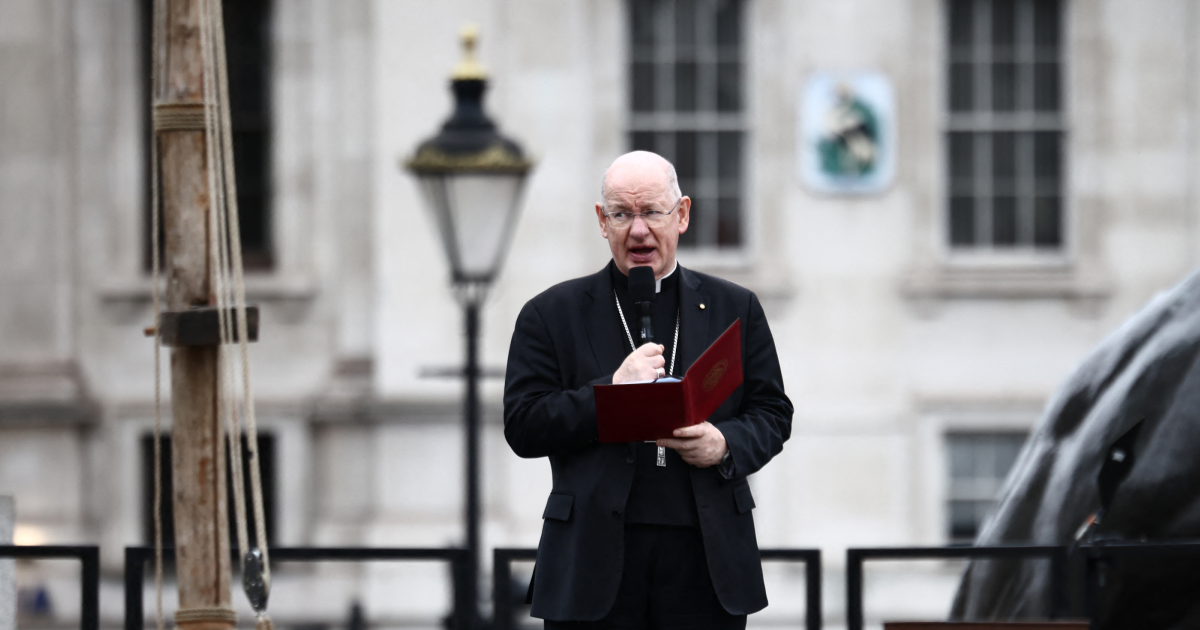
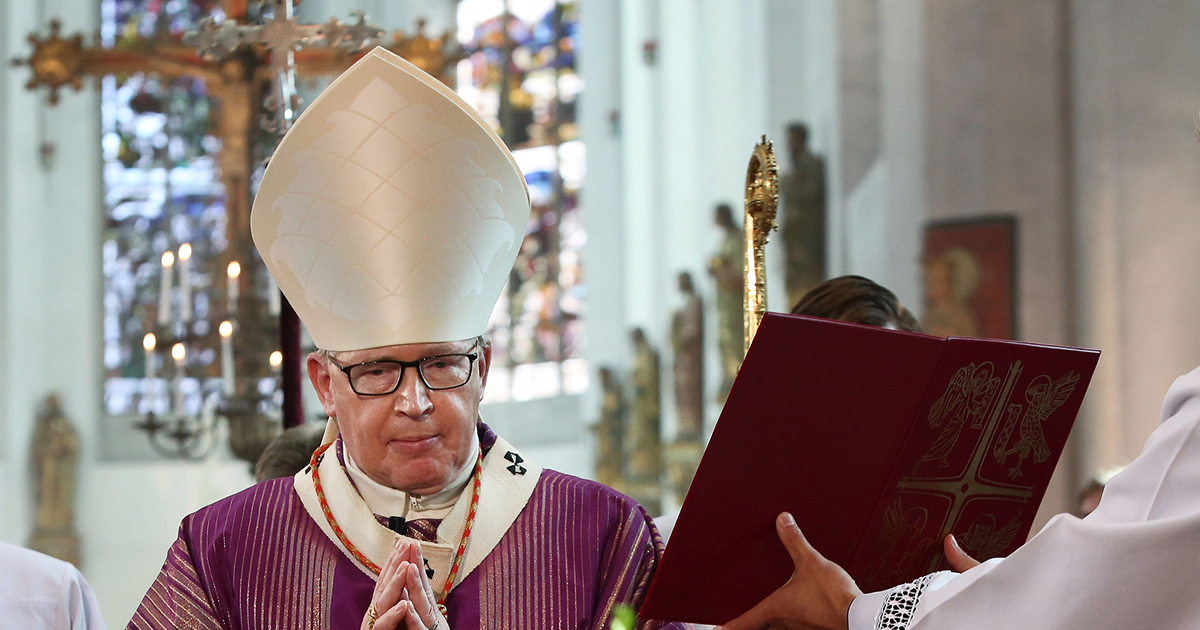
Cardinal Willem Eijk has said that the Traditional Latin Mass continues to attract significant spiritual interest, particularly among younger Catholics, after celebrating a pontifical High Mass on Laetare Sunday in Oss.

The Mass, held at the Church of the Immaculate Conception on March 15, marked the first time the Archbishop of Utrecht had celebrated a pontifical Mass according to the Tridentine rite. Reflecting on the occasion in an interview given to Father Marco Begato for MessainLatino, the cardinal said: “The Eucharistic celebration at the Grote Kerk in Oss was my first pontifical High Mass in the extraordinary form… I found it a very impressive and unforgettable experience. The church was filled with people praying devoutly. Most were young, and there were also many families.”

Cardinal Eijk added that there was “widespread recourse to the sacrament of penance and reconciliation (Confession)” and described the rite as “very solemn” with “many moments of silence, thereby providing ample opportunity for personal prayer”.

The liturgy took place in a church that had previously been relinquished due to declining parish numbers and financial strain, before being acquired by the Priestly Fraternity of St Peter. Cardinal Eijk said: “I am very pleased that this church will therefore remain a Roman Catholic church.” He explained that his decision to celebrate the Mass followed the establishment of the fraternity’s presence in the archdiocese and his own efforts to learn the rite, noting that earlier invitations had been declined because he “was not familiar with the Tridentine rite”.

The congregation included not only local faithful but visitors from neighbouring countries and clergy from other dioceses. The cardinal said that alongside regular attendees of the older liturgy, there were “also Catholics who usually take part in Eucharistic celebrations according to the Novus Ordo”. He said the response had been consistently positive: “Those who attended the Eucharistic celebration are very grateful and delighted that I celebrated it according to the Tridentine rite. I have also received positive feedback by post and via email.” He concluded that “there was considerable spiritual interest in this celebration”.

Beyond the liturgy of the day, Cardinal Eijk spoke about broader patterns of conversion within the Church in the Netherlands and across Western Europe. “Over the last five years or so, we have seen an increasing number of young people joining the Church each year,” he said, including those “who were baptised as children but not raised in a religious household” and later encountered the faith, “usually via social media”. He added: “It is striking that a not inconsiderable number of them find their way to Christ and his Church through the Tridentine liturgy.”

In his homily for the Holy Mass, Cardinal Eijk set out a direct critique of developments in Catholic teaching and preaching in the decades following the Second World War, using the Gospel of the multiplication of the loaves to underline the importance of belief in the supernatural. He recalled an example from the 1950s in which a priest had denied the miraculous nature of the event, telling school pupils that it was merely an instance of sharing. The cardinal responded: “That is the banalisation of catechesis taken to the extreme.” He continued: “The once powerful Church exploded in the 1950s and 1960s. The faith of many Catholics who were still convinced at that time was skilfully throttled in catechesis and from the pulpit in those years.”

Rejecting any symbolic reinterpretation of the Gospel account, he said: “What that priest said back in the 1950s – and what, I fear, has often been repeated since – is not in the Gospel. The Gospel says that Jesus fed a whole crowd with nothing but five loaves and two fish. Jesus really performed this sign of the miraculous multiplication of the loaves.” He linked this insistence to the foundations of Christian belief: “The starting point of the Christian faith is that God created the universe out of nothing. If He could do that, then He can also multiply bread in a miraculous way.”

The homily also connected the miracle directly to the Eucharist and the Paschal Mystery, emphasising that the Gospel account “is really about the Paschal Mystery” and that “in the miraculous multiplication of the loaves we unmistakably see a reference to the sacrament of the Eucharist”. He noted the explicit reference to thanksgiving in the text, adding: “The Greek word for giving thanks… is eucharistein. From this our word for the Holy Mass is derived: Eucharist.”
Cardinal Willem Eijk has said that the Traditional Latin Mass continues to attract significant spiritual interest, particularly among younger Catholics, after celebrating a pontifical High Mass on Laetare Sunday in Oss.

The Mass, held at the Church of the Immaculate Conception on March 15, marked the first time the Archbishop of Utrecht had celebrated a pontifical Mass according to the Tridentine rite. Reflecting on the occasion in an interview given to Father Marco Begato for MessainLatino, the cardinal said: “The Eucharistic celebration at the Grote Kerk in Oss was my first pontifical High Mass in the extraordinary form… I found it a very impressive and unforgettable experience. The church was filled with people praying devoutly. Most were young, and there were also many families.”

Cardinal Eijk added that there was “widespread recourse to the sacrament of penance and reconciliation (Confession)” and described the rite as “very solemn” with “many moments of silence, thereby providing ample opportunity for personal prayer”.

The liturgy took place in a church that had previously been relinquished due to declining parish numbers and financial strain, before being acquired by the Priestly Fraternity of St Peter. Cardinal Eijk said: “I am very pleased that this church will therefore remain a Roman Catholic church.” He explained that his decision to celebrate the Mass followed the establishment of the fraternity’s presence in the archdiocese and his own efforts to learn the rite, noting that earlier invitations had been declined because he “was not familiar with the Tridentine rite”.

The congregation included not only local faithful but visitors from neighbouring countries and clergy from other dioceses. The cardinal said that alongside regular attendees of the older liturgy, there were “also Catholics who usually take part in Eucharistic celebrations according to the Novus Ordo”. He said the response had been consistently positive: “Those who attended the Eucharistic celebration are very grateful and delighted that I celebrated it according to the Tridentine rite. I have also received positive feedback by post and via email.” He concluded that “there was considerable spiritual interest in this celebration”.

Beyond the liturgy of the day, Cardinal Eijk spoke about broader patterns of conversion within the Church in the Netherlands and across Western Europe. “Over the last five years or so, we have seen an increasing number of young people joining the Church each year,” he said, including those “who were baptised as children but not raised in a religious household” and later encountered the faith, “usually via social media”. He added: “It is striking that a not inconsiderable number of them find their way to Christ and his Church through the Tridentine liturgy.”

In his homily for the Holy Mass, Cardinal Eijk set out a direct critique of developments in Catholic teaching and preaching in the decades following the Second World War, using the Gospel of the multiplication of the loaves to underline the importance of belief in the supernatural. He recalled an example from the 1950s in which a priest had denied the miraculous nature of the event, telling school pupils that it was merely an instance of sharing. The cardinal responded: “That is the banalisation of catechesis taken to the extreme.” He continued: “The once powerful Church exploded in the 1950s and 1960s. The faith of many Catholics who were still convinced at that time was skilfully throttled in catechesis and from the pulpit in those years.”

Rejecting any symbolic reinterpretation of the Gospel account, he said: “What that priest said back in the 1950s – and what, I fear, has often been repeated since – is not in the Gospel. The Gospel says that Jesus fed a whole crowd with nothing but five loaves and two fish. Jesus really performed this sign of the miraculous multiplication of the loaves.” He linked this insistence to the foundations of Christian belief: “The starting point of the Christian faith is that God created the universe out of nothing. If He could do that, then He can also multiply bread in a miraculous way.”

The homily also connected the miracle directly to the Eucharist and the Paschal Mystery, emphasising that the Gospel account “is really about the Paschal Mystery” and that “in the miraculous multiplication of the loaves we unmistakably see a reference to the sacrament of the Eucharist”. He noted the explicit reference to thanksgiving in the text, adding: “The Greek word for giving thanks… is eucharistein. From this our word for the Holy Mass is derived: Eucharist.”
subscribe to
the catholic herald

Continue reading your article with a subscription.
Read 5 articles with our free plan.
Subscribe

subscribe to the catholic herald today

Our best content is exclusively available to our subscribers. Subscribe today and gain instant access to expert analysis, in-depth articles, and thought-provoking insights—anytime, anywhere. Don’t miss out on the conversations that matter most.
Subscribe