






May 8, 2026

Pope Leo XIV urges Catholics to pick up a book

The Catholic Herald
More
Related
Min read
share

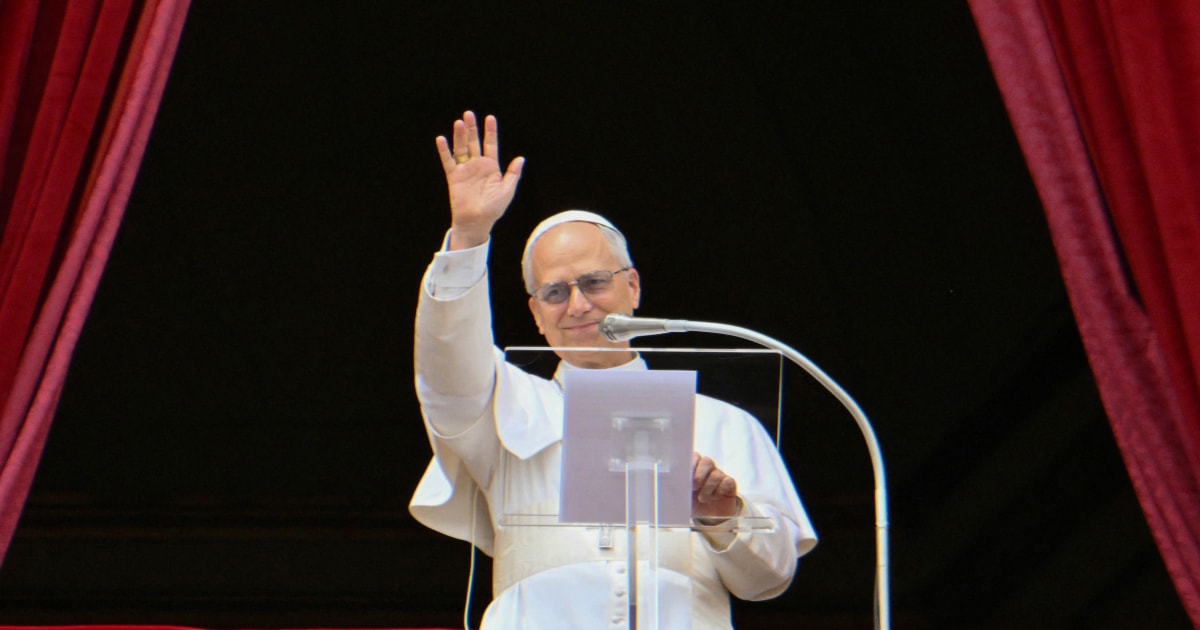
Pope Leo XIV has urged Catholics not to abandon printed books in the digital age, describing reading as a vital discipline of thought, encounter and spiritual formation.

Speaking at the Vatican on May 7 to mark the centenary of the Vatican Publishing House, the Pope said books remain an “opportunity to think” at a time when superficiality and ideological shortcuts threaten serious reflection. He defended the physical book not merely as a cultural object, but as a means of study and contemplation that helps shape the Christian mind.


Reading, he said, nourishes the intellect and fosters a well-formed critical sense. For that reason, he urged people to turn to books as an antidote to closed-mindedness and to the rigid, reductive habits of thought that can narrow a person’s view of reality.

Leo also stressed the relational character of reading. A book, he suggested, places the reader in contact not only with its author but with all those who have read it before and all those who will read it after. In that sense, he presented books as instruments of dialogue, widening perspective and deepening the “culture of encounter” so often emphasised by Pope Francis.

For Christians in particular, the Pope said, books can become a means of proclaiming Christ. He pointed to the spiritual effect that a saint’s life or a well-written meditation can have on the heart, and invoked familiar images of the Virgin Mary at the Annunciation, St Anthony of Padua and St Augustine as figures associated with sacred reading and contemplation.

His appeal came in the context of the 100th anniversary of the Libreria Editrice Vaticana, founded in 1926. Leo concluded by recalling how Paul VI, addressing the publishing house at its 50th anniversary in 1976, had urged its staff to look ahead and refine their plans for the future.

The Pope thanked the employees of the Vatican Publishing House for their work and encouraged them to continue it with dedication and passion. But his remarks also carried a wider significance. In an age dominated by screens, speed and distraction, he presented the printed book as something more than a surviving artefact of an earlier culture: a safeguard for thought, a school of patience and a quiet but important ally of Christian witness.

Continue reading with a free account

Create a free account to read up to five articles each month
Create free account

You have # free articles remaining this month.

Subscribe to get unlimited access.
Sign up

subscribe to the catholic herald today

Our best content is exclusively available to our subscribers. Subscribe today and gain instant access to expert analysis, in-depth articles, and thought-provoking insights—anytime, anywhere. Don’t miss out on the conversations that matter most.
Subscribe






