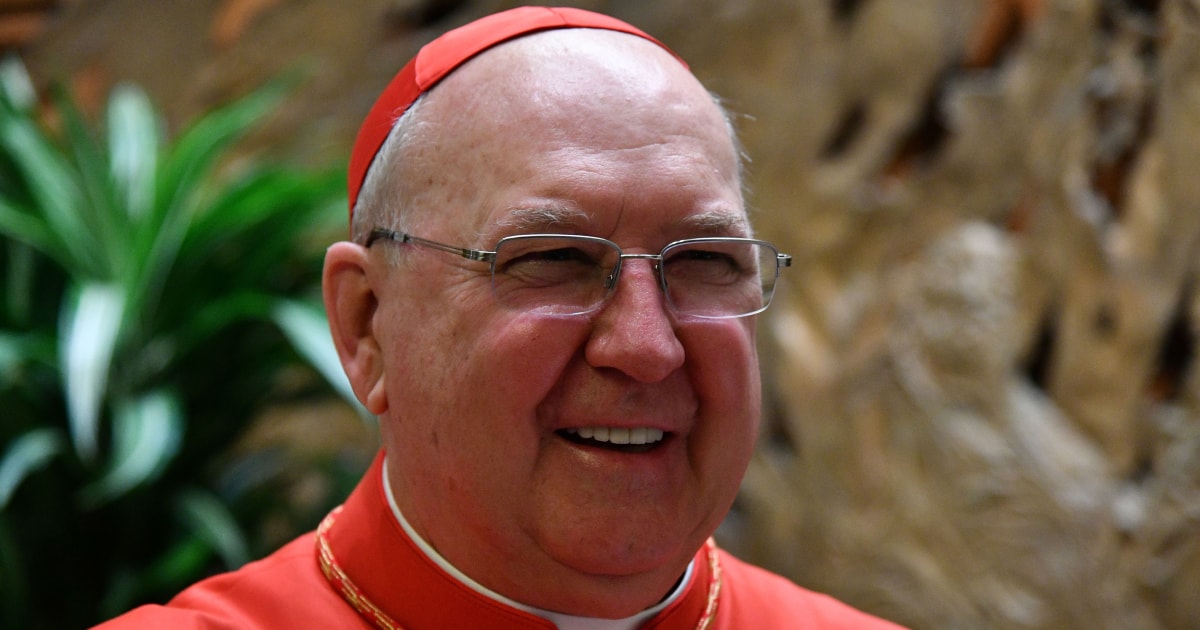



Cardinal Kevin Farrell has said priests must find ways of reaching families who no longer come to Mass, warning that the transmission of faith in the home is weaker than in previous generations and is contributing to a sharp fall in sacramental participation.
Writing after a Vatican seminar on marriage, faith and priestly formation, the prefect of the Dicastery for the Laity, Family and Life said bishops visiting Rome have repeatedly spoken of the difficulty of making contact with baptised families who have drifted away from the practice of the faith.
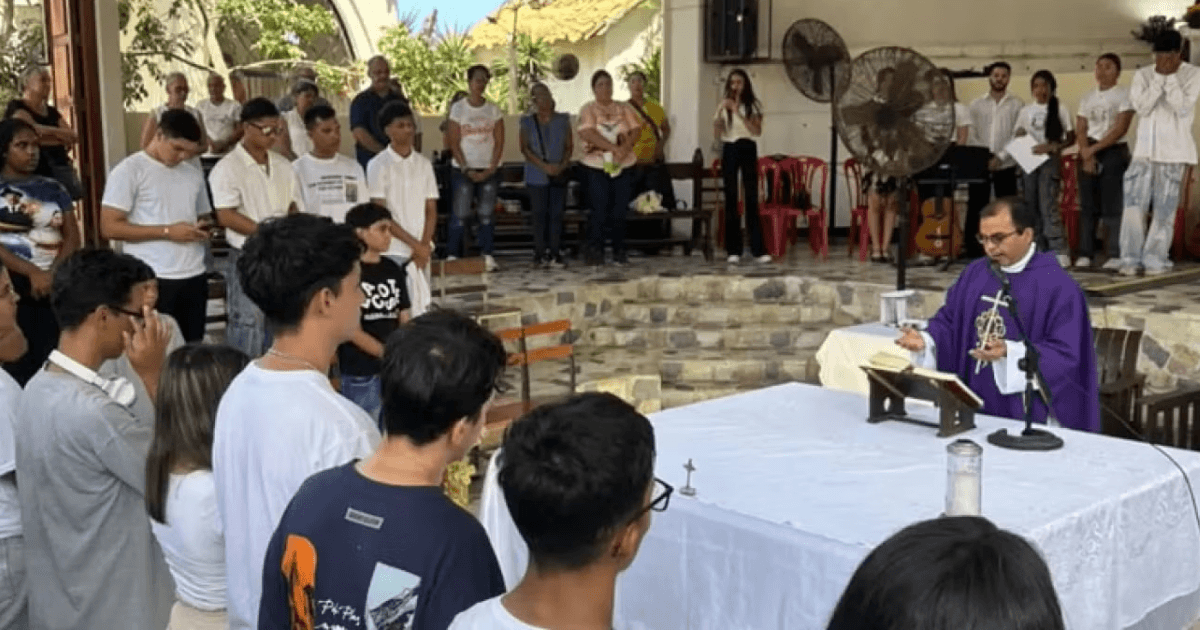
Farrell linked that problem to broader cultural change. In many places, he said, marriage is no longer regarded as necessary to establish family life, while cohabitation is increasingly treated as the normal way of testing a relationship before any stronger commitment is considered.
He also pointed to striking global figures. Between 1991 and 2021, baptisms of children under seven fell by 31.1 per cent, while Catholic marriages dropped by 48 per cent. Those numbers, he said, should not simply provoke discouragement, but should instead become an occasion for ecclesial renewal.
The seminar in Rome was organised to consider how priests are formed to accompany engaged couples, married families and young people in a social climate often marked by secularisation and uncertainty about the meaning of marriage. Farrell argued that the question is not whether the Church possesses sound teaching on the sacrament, but how that teaching can become more fruitful in practice.
In many seminaries and pontifical universities, he said, theological formation on marriage remains solid. Yet he warned that it can remain too theoretical if it is not tested against the actual experience of family life and the cultural pressures now shaping it.
The study day brought together officials from several dicasteries, seminary rectors and academic specialists to reflect on the relationship between marriage, faith and the Church’s teaching office. Farrell said the discussion was especially timely in light of the 10th anniversary of Amoris Laetitia and the continuing challenge of priestly formation in a rapidly changing world.
His remarks point to a wider anxiety in Rome: that the Church’s pastoral language on marriage risks losing force if it is not joined to a more realistic understanding of how families now live, struggle and drift from practice. For Farrell, the answer is better-formed priests capable of engaging the concrete realities of family life and helping to lead families back towards the faith.