
{ "@context": "https://schema.org", "@type": "NewsArticle", "headline": "Cardinal Ernest Simoni received by Pope Leo XIV in private audience", "description": "A private Vatican audience between Pope Leo XIV and Cardinal Ernest Simoni has renewed attention on the Albanian cardinal’s witness under communist repression", "image": "https://cdn.prod.website-files.com/683ed37ff077394405011c9f/69f1f945314d31069232dfbe_Cardinal%20Simoni.jpg", "datePublished": "2026-04-30T12:31:30.563Z", "dateModified": "2026-04-30T12:31:30.563Z", "url": "https://thecatholicherald.com/cardinal-ernest-simoni-received-by-pope-leo-xiv-in-private-audience", "author": { "@type": "Person", "name": "Written by The Catholic Herald" }, "publisher": { "@type": "NewsMediaOrganization", "name": "The Catholic Herald", "url": "https://thecatholicherald.com", "foundingDate": "1888" } }
April 30, 2026

Cardinal Ernest Simoni received by Pope Leo XIV in private audience

The Catholic Herald
More
Related
Min read
share

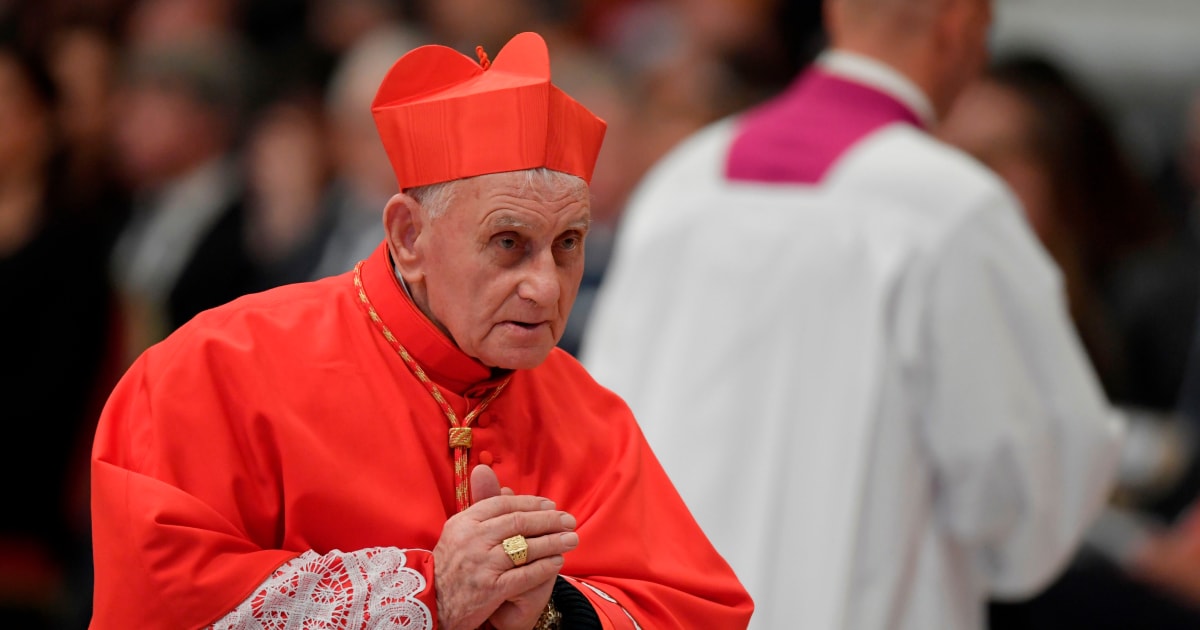
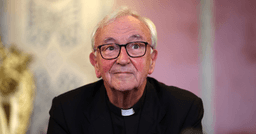
Pope Leo XIV received Cardinal Ernest Simoni in a private Vatican audience on April 27, weeks after the Albanian prelate appeared alongside him during the Easter Sunday blessing in St Peter’s Square. The meeting, attended by members of the cardinal’s family, marked the reception of a noted conservative and traditional senior cleric and granted papal recognition to one of Europe’s most prominent survivors of communist religious persecution.

The encounter took place in the Apostolic Palace and marked the second notable interaction between Leo XIV and Ernest Simoni since Easter. During the audience, Cardinal Simoni presented the Pope with a cross and a relic associated with Catholics killed during decades of repression in Albania, recalling what he described as the witness of those who “gave their lives for fidelity and for the love of Jesus”.
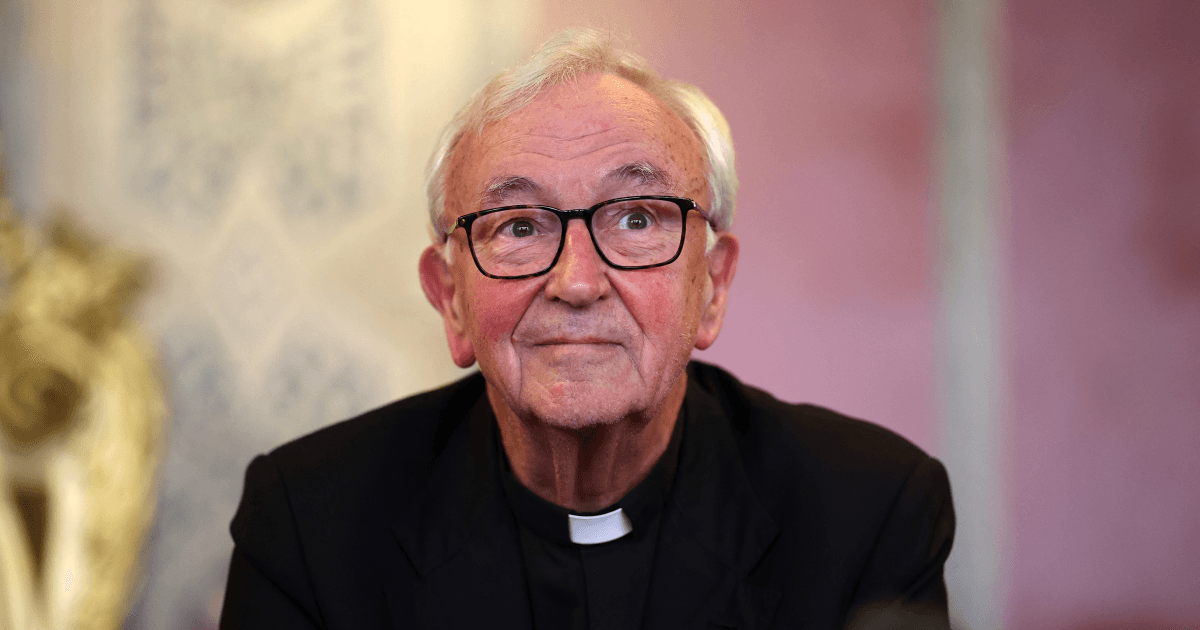
Now in his 90s, Cardinal Simoni is widely regarded as a symbol of religious endurance under the regime of Enver Hoxha, whose government pursued one of the most severe anti-religious campaigns in modern European history. In 1967, Albania formally declared itself the world’s first atheist state, banning public worship and closing churches, mosques and monasteries across the country. Clergy of all faiths were imprisoned, sent to labour camps, or forced into manual labour.

Cardinal Simoni’s own imprisonment began on Christmas Eve 1963, when he was arrested after celebrating Mass – an act the authorities deemed subversive. He was initially sentenced to death, a penalty later commuted to 25 years of forced labour. During imprisonment, he worked in mines and sewage canals and was repeatedly pressured to denounce his faith publicly, a demand he consistently refused.

After his release in 1981, he remained under surveillance and was assigned to manual labour until the collapse of communist rule in 1990. Only then was he able to resume open priestly ministry. His story became widely known outside Albania during the pastoral visit of Francis to Tirana in 2014, when Simoni gave a public testimony describing years of imprisonment and clandestine ministry. The Pope later referred to him as a “living martyr”, and in 2016 elevated him to the College of Cardinals – an unusual step, as Simoni had never served as a bishop.

In Church history, such appointments are rare but not unprecedented. They typically recognise extraordinary witness rather than administrative leadership, echoing earlier cases in which clergy persecuted under hostile regimes were honoured for steadfastness. The gesture also carried symbolic weight for Catholics in Eastern Europe, many of whom experienced decades of repression during the Cold War.

Cardinal Simoni has remained active well into advanced age, maintaining a pastoral presence and frequently participating in liturgical celebrations. He is known for his strong attachment to traditional devotional life and has spoken publicly about the importance of perseverance in faith under pressure. In interviews and homilies, he has emphasised themes shaped by his experience of persecution: forgiveness of enemies, fidelity to conscience, and the belief that religious freedom must be safeguarded even in secular societies.

He has also expressed consistent support for the preservation of older forms of Catholic worship, including the Traditional Latin Mass. His participation in major traditional liturgical gatherings – including the annual pilgrimage linked to the 2007 apostolic letter Summorum Pontificum issued by Benedict XVI – reflects his conviction that continuity in worship strengthens religious identity.

In one widely reported address delivered during a pilgrimage Mass in Rome in 2025, he recited the prayer to St Michael the Archangel and reminded the congregation that spiritual struggle remains a central theme in Christian teaching. Such statements are consistent with his broader pastoral message, which frequently draws on personal experience to underscore the reality of suffering and the importance of hope.

The private audience with Pope Leo XIV comes shortly after Cardinal Simoni marked the 70th anniversary of his priestly ordination, a milestone that underscores the length and resilience of his ministry. His life spans a period in which Albania moved from strict state atheism to constitutional guarantees of religious freedom – a transformation that historians often cite as one of the most dramatic religious policy reversals in post-war Europe.

Continue reading with a free account

Create a free account to read up to five articles each month
Create free account

You have # free articles remaining this month.

Subscribe to get unlimited access.
Sign up

subscribe to the catholic herald today

Our best content is exclusively available to our subscribers. Subscribe today and gain instant access to expert analysis, in-depth articles, and thought-provoking insights—anytime, anywhere. Don’t miss out on the conversations that matter most.
Subscribe