


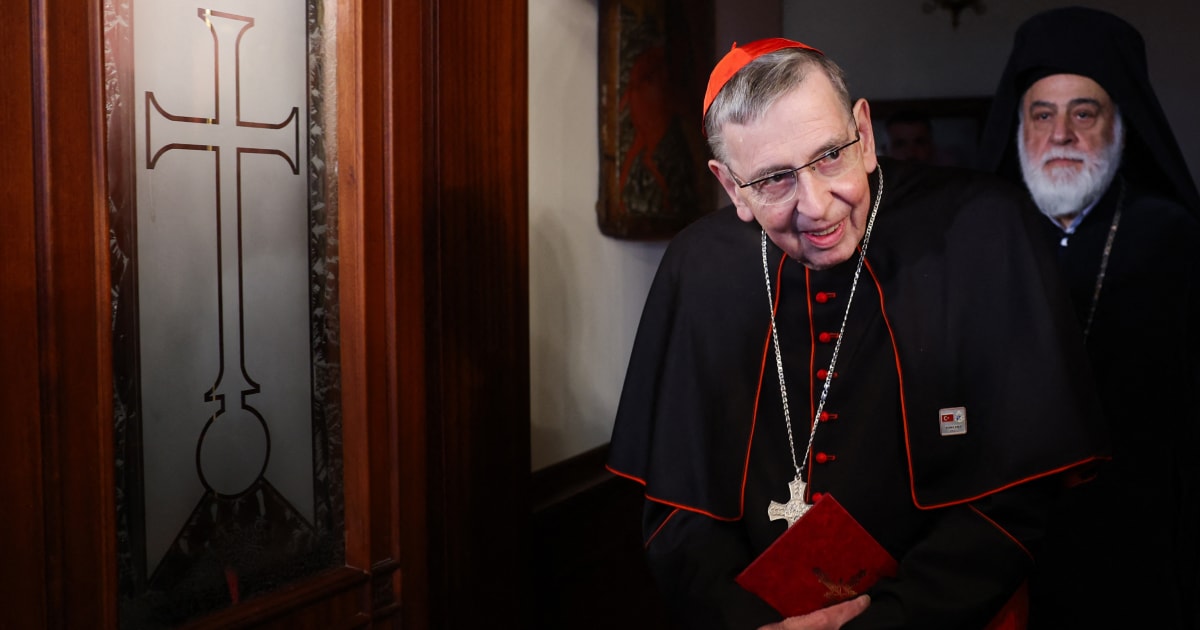
Cardinal Kurt Koch has said that the witness of the martyrs remains one of the clearest signs of Christian unity, using an ecumenical commemoration in Rome to link the suffering of the Armenian martyrs with the persecution still endured by Christians in many parts of the world today. Speaking through a message delivered at the Basilica of St Bartholomew on the Tiber Island on April 23, the cardinal said the blood of the martyrs continues to bind divided Christians together in a common testimony to Christ.
7:00 AM
Cardinal says martyrs’ blood still unites divided Christians
Cardinal Kurt Koch has said the witness of the martyrs remains one of the clearest signs of Christian unity, linking the Armenian martyrs with persecuted Christians today
The Catholic Herald

2 min read



Already a subscriber? Sign in
5freearticles every month
Continue reading with a free account. No card needed.
- Five free articles every thirty days, on any device you sign in on
- The Catholic Herald newsletter, every morning
- Subscribe whenever you like for everything: every article and the magazine
Related articles
 Newsroom
‘Miracle baby’ Kiyaan thrives after mother’s two rare diagnoses
Eve Sleigh was diagnosed with antiphospholipid syndrome and chronic histiocytic intervillositis during her pregnancy, before doctors delivered Kiyaan at 33 weeks’ gestation
The Catholic Herald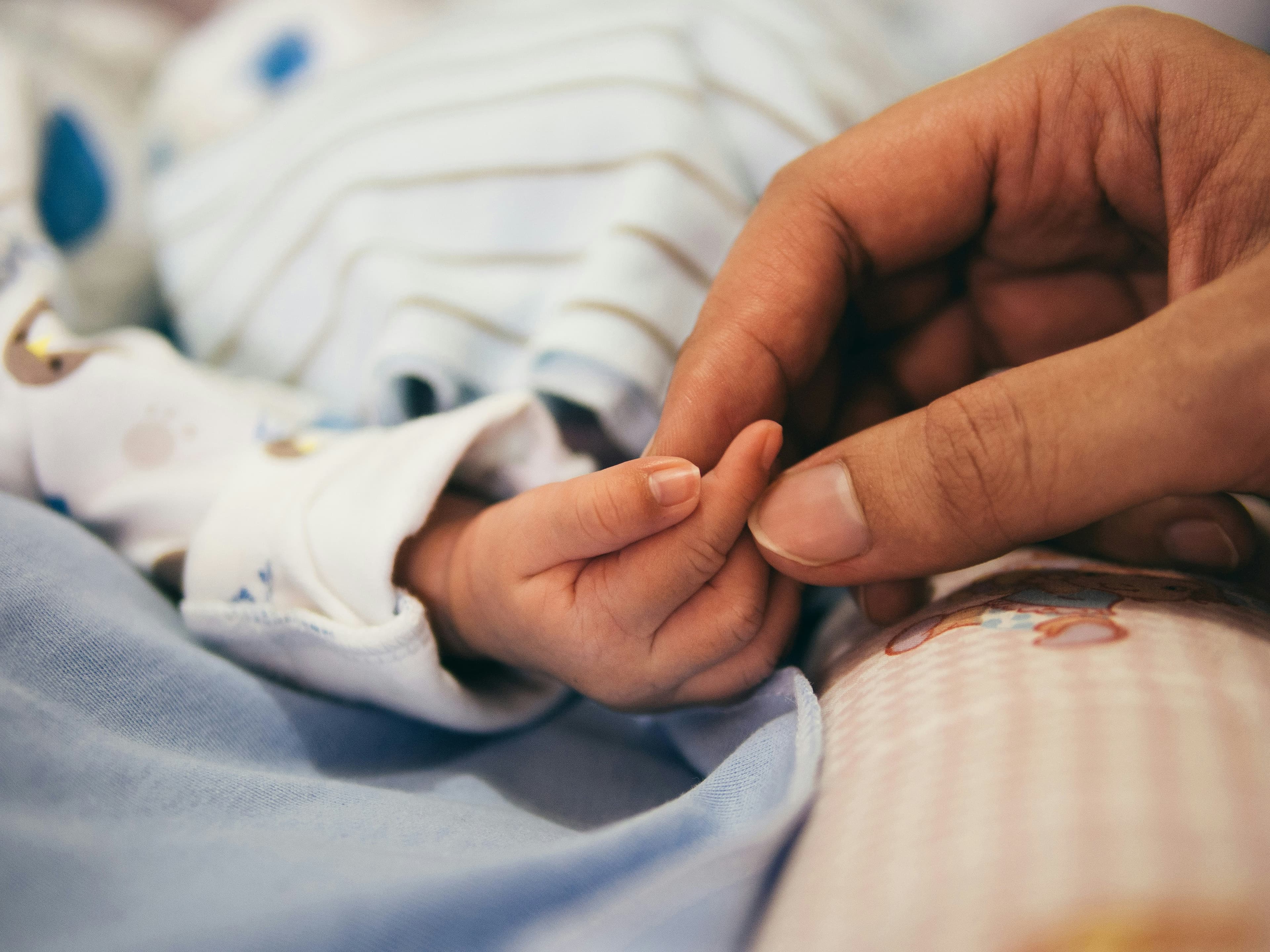 Newsroom
Woman born at 29 weeks becomes nurse in the NICU that cared for her
The Catholic Herald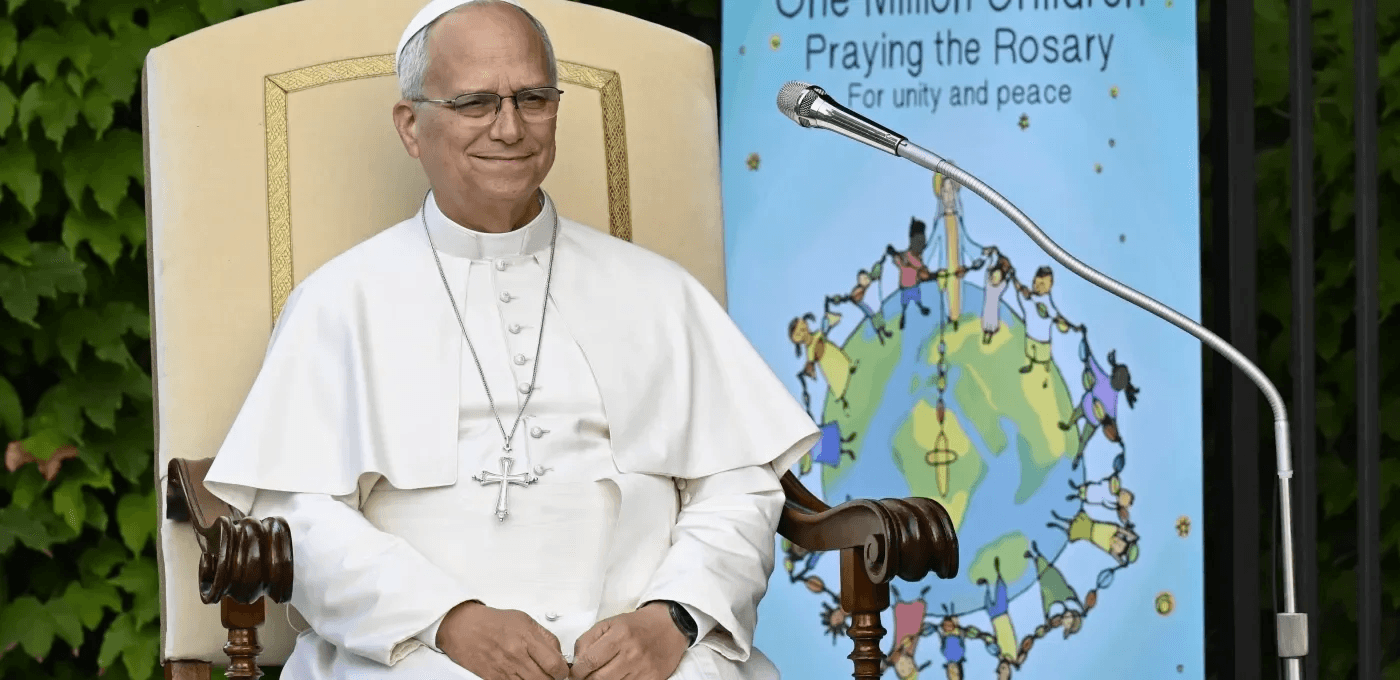 Newsroom
Pope Leo XIV’s visit brings fresh hope to Catholics in Uruguay, Argentina and Peru
Nathalie Raffray Newsroom
How Egypt’s small Catholic community is making a big social impact
Nathalie Raffray Newsroom
The Week in Review: Pope Leo’s back, women deacons proposed and hologram Fulton Sheen
The Catholic Herald
subscribe to the catholic herald today
Our best content is exclusively available to our subscribers. Subscribe today and gain instant access to expert analysis, in-depth articles, and thought-provoking insights—anytime, anywhere. Don’t miss out on the conversations that matter most.
Subscribe



