

May 21, 2026

Cathedral finances face ‘constant pressure’, MPs to be told

The Catholic Herald
More
Related
Min read
share

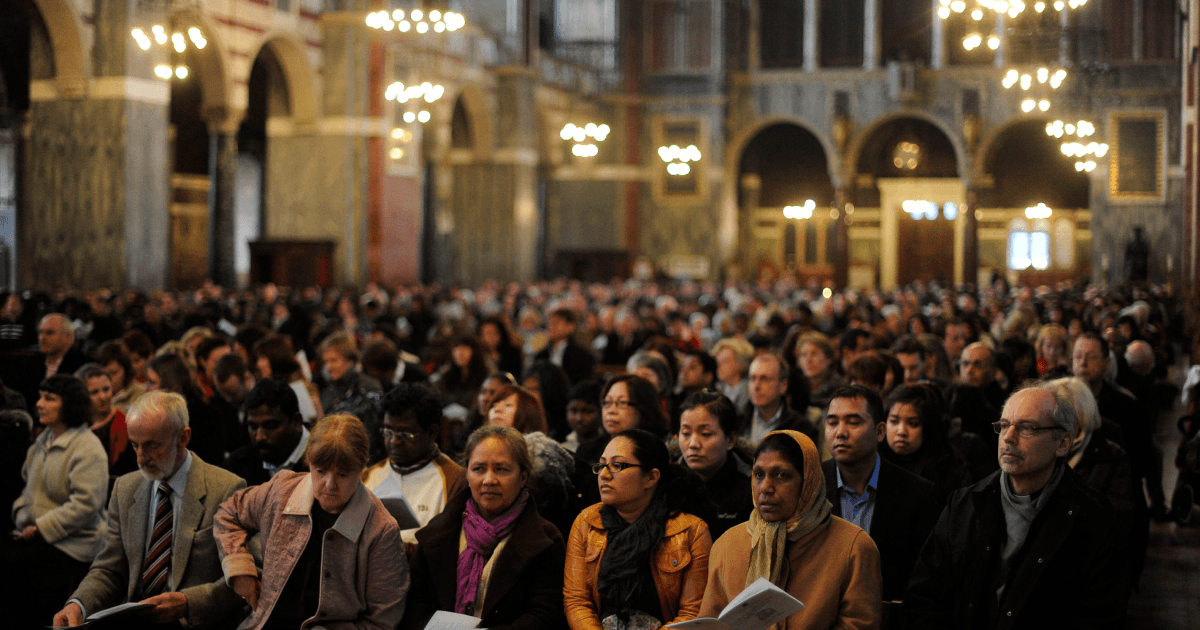
Deans of the Church of England’s 42 cathedrals are to meet MPs in Westminster next month to discuss the growing financial difficulties involved in maintaining historic buildings amid debate over custodianship and their futures, following the publication of new research highlighting widespread operational deficits.

The meeting was announced at the National Cathedrals Conference on Tuesday, as the Church Times reported. Sir Paul Ruddock, who previously chaired the Government’s First World War Centenary Cathedral Repairs Fund, warned delegates that it was a mistake to assume that the cathedrals would always remain as they are, despite attracting some 10 million visitors each year.

The Very Rev Jo Kelly-Moore, Dean of St Albans and chair of the Association of English Cathedrals, said nearly three-quarters of cathedrals were currently running operational deficits. “Conserving these Grade I listed buildings and keeping them open, safe, warm and welcoming brings constant financial pressure,” she said.

English cathedrals receive no direct government funding for major fabric repairs and maintenance, unlike many historic churches and cathedrals on the Continent. Responsibility for these vast medieval and early modern structures falls almost entirely on the cathedrals themselves, supported by visitor income, commercial activities, grants and appeals. The Church Commissioners provide some assistance, but their resources are limited and primarily directed elsewhere.

The financial challenges have been well documented in recent years. Several cathedrals, including Chichester, Ely and Worcester, have faced significant deficits, leading to staff reductions, cuts to programmes and emergency fundraising campaigns. The cost of complying with strict heritage regulations while maintaining extensive public access and civic functions continues to rise.

Sir Paul Ruddock emphasised the unique role cathedrals play in national life, describing them as “among the most visited tourist attractions in England and the largest free, 12-hour-a-day public spaces in their cities”. They host a wide range of activities, from daily worship, council meetings, school services and quiet individual prayer to more contentious events, criticised by some as “gimmicky” and misaligned with the sacrality of the location, such as secular music concerts, discos, raves, art exhibitions, museums, large installations in sanctuaries and mini-golf courses.

The forthcoming discussions with MPs are expected to focus on potential new models of sustainable funding and greater recognition of the substantial public benefit provided by cathedrals. The Theos report, which examines the broader contribution of cathedrals to English society, is likely to form the basis of those conversations.

The financial pressures facing Anglican cathedrals come at a time when many historic churches across Britain are also struggling with maintenance costs, declining congregations in some areas and the increasing burden of listed-building regulations.

In response to such pressures, there has been growing interest in church-sharing arrangements with other Christian groups. After the Sharing of Church Buildings Act 1969, this possibility was expanded in English law. Today, a number of Anglican churches are already shared with Catholic, Methodist and United Reformed congregations, particularly in rural areas where maintaining separate buildings has become unsustainable.

However, cathedral-sharing, which is deliberately exempted from the 1969 law, remains rarer. Venues such as Durham Cathedral have occasionally permitted Catholic Mass in a side chapel, yet instances are exceptional. This is expected to change as financial burdens force new arrangements. The inter-ecclesial partnerships that accompany church-sharing agreements cover scheduling, maintenance costs and safeguarding, though they continue to raise questions among traditionalists about the preservation of distinct liturgical and doctrinal identity.

The outcome of next month’s meetings may have implications for the long-term future of these iconic buildings, which have stood at the heart of English Christianity for centuries.

Continue reading with a free account

Create a free account to read up to five articles each month
Create free account

You have # free articles remaining this month.

Subscribe to get unlimited access.
Sign up

subscribe to the catholic herald today

Our best content is exclusively available to our subscribers. Subscribe today and gain instant access to expert analysis, in-depth articles, and thought-provoking insights—anytime, anywhere. Don’t miss out on the conversations that matter most.
Subscribe