March 24, 2026

Church in South Korea repeats warning over excommunicated visionary

The Catholic Herald
More
Related
Min read
share

The Catholic Church in South Korea has renewed its warning to the faithful over the long-running controversy surrounding the alleged visionary Julia Youn of Naju, as concerns mount that the spread of her claims in the run-up to World Youth Day in Seoul in 2027.

In a statement released on March 12, the Korean bishops’ conference confirmed that Archbishop Simon Ok Hyun-jin of Gwangju is in communication with the Dicastery for the Doctrine of the Faith and is preparing a further decree intended not only for the local Church but for Catholics worldwide. The move reflects a judgement that the issue has outgrown its diocesan origins and now requires a more coordinated response at an international level.

The bishops framed their intervention as a “Request for Attention regarding the Escalating Situation Surrounding Julia Youn of Naju”, signalling both the persistence of the phenomenon and the growing urgency attached to it by Church authorities.

The case of Julia Youn dates back to June 30, 1985, when what the bishops describe as the “alleged weeping of a statue of the Blessed Mother owned by Julia Youn” was first reported. Over time, the claims expanded to include “the statue shedding tears of blood and moving, and a fragrance of roses emanating from Julia’s body”, alongside assertions of a Eucharistic miracle. In one particularly striking example, Youn describes receiving the Eucharist from Pope St John Paul II, which then turned into visible flesh and blood in her mouth. She further claims that the Pope witnessed the miracle.

These phenomena were promoted through what Youn described as the “Messages of the Blessed Mother of Naju”, presented as a form of private revelation.

From an early stage, the local Church authorities in Gwangju initiated a formal investigation. On December 20, 1994, an inquiry was established under the title “Investigation Committee on the Phenomena and Messages Which Happened to Julia Youn of Naju and Her Statue of the Blessed Mother”. The committee conducted interviews, on-site inquiries and a detailed examination of the material associated with the claims.

Its conclusion was definitive. The bishops state that the investigation determined that the phenomena “cannot be confirmed as supernatural phenomena (non constat de supernaturalitate)”. This finding, submitted to the Holy See, remains the canonical basis for the Church’s position on the events.

In response, the Archdiocese of Gwangju issued a pastoral admonition on January 1, 1998, which “officially prohibited the publication and distribution of all promotional materials related to Julia Youn of Naju” and reiterated “the previous measure forbidding the celebration of Masses, liturgical rites, and sacraments in private places associated with Julia Youn”.

Despite these measures, the movement continued to attract followers, prompting further disciplinary action. The bishops note that by a decree dated January 21, 2008, the archbishop declared that “the clergy, religious, and laypeople who preside over or attend the celebration of the sacraments or sacramentals” at sites associated with Naju “incur an automatic (latae sententiae) excommunication”.

That decision was explicitly upheld by the Holy See. In a letter dated April 24, 2008, the then Congregation for the Doctrine of the Faith affirmed that it “upheld the measures taken by the Archbishop of Gwangju as the official position of the Church”. This position was reaffirmed again in March 2011, when the same dicastery stated that “the examples which have been communicated to the Congregation by followers of Julia seem to have little connection with Christian piety” and that “the Holy See has no plans to change its position in regard to the purported miraculous events at Naju”.

The consistency of these interventions underscores that the Church’s judgement has not shifted over time. Yet the bishops now warn that the situation has entered a new phase, driven in large part by digital communication.

Marking the 40th anniversary of the initial claims in 2025, Youn’s followers have intensified their activity online. The bishops report that they have “actively spread false propaganda through various media channels: Instagram, YouTube, TikTok, Facebook”, including a series of short-form videos titled “Show Me the Naju Fact - Naju Fact-finding Committee”, which they say are designed “to distort information”.

They add that misleading material has been circulated under headings such as “Statements of Support from Past Popes for Our Lady of Naju” and “The Apostolic Nuncio to Korea’s Observation of the Naju Miracle”, presented “as if the universal Church officially endorsed their claims”. Such representations risk creating confusion among the faithful, particularly those without direct access to authoritative sources.

The international dimension of the movement is also a source of concern. According to the statement, Youn’s followers have sought to expand their reach by “establishing branches in various regions” and encouraging participation in events “under the pretext of a pilgrimage”. The bishops further note “the participation of many members of the clergy, including bishops from Southeast Asia, in the prayer meetings they organise”, suggesting that the issue now extends beyond the confines of the Korean Church.

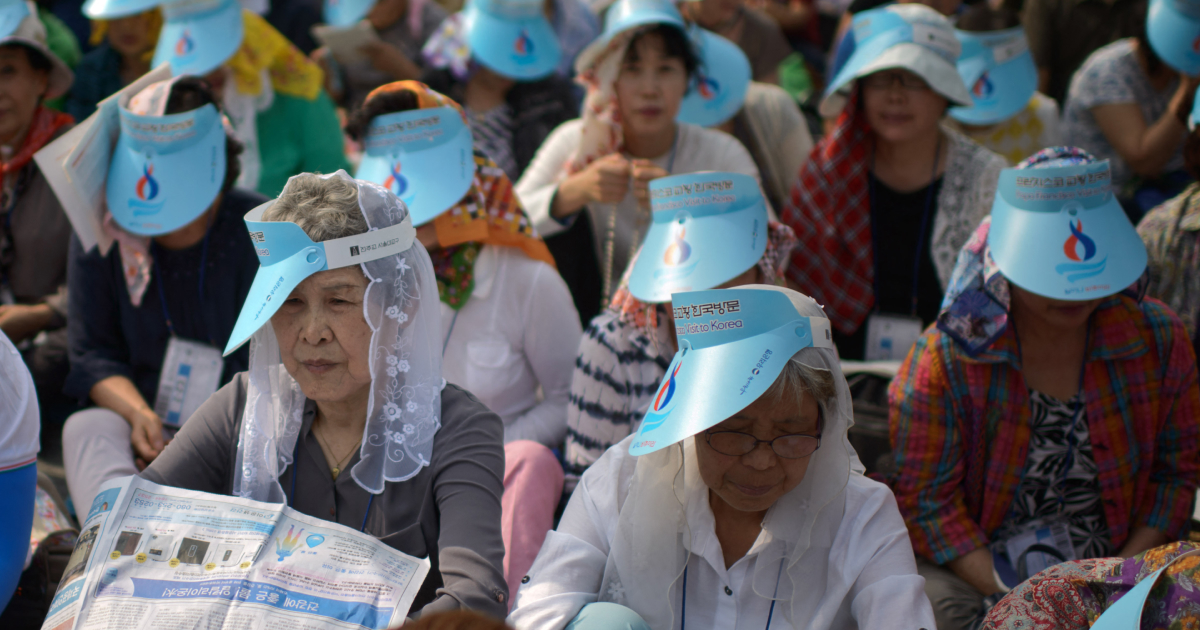
This development is seen as particularly significant in the context of the forthcoming World Youth Day 2027. With global attention expected to focus on the Church in Korea, the bishops warn that “young people around the world are uncritically accepting information related to Julia Youn of Naju through the misleading online contents”.

In response, the Korean bishops have begun to coordinate a broader ecclesial effort. A circular letter dated January 12, 2026 informed bishops of the situation and requested that they “clearly communicate the Church’s teaching on this matter to the clergy, religious, and faithful of their dioceses”. The Permanent Council subsequently resolved on February 10 to seek the cooperation of the Federation of Asian Bishops’ Conferences in disseminating this guidance more widely.

At the same time, provision has been made for those who have incurred canonical penalties. The statement notes that individuals subject to automatic excommunication “may receive absolution if they sincerely desire it, provided that the diocesan bishop verifies the case and grants the remission through appropriate procedures, such as sacramental confession”.

The bishops conclude with a direct appeal to their counterparts across Asia, urging them “to recognise the gravity of this matter” and to ensure that the faithful are guided “so that they continue living their faith properly, without being misled by Julia Youn of Naju”.
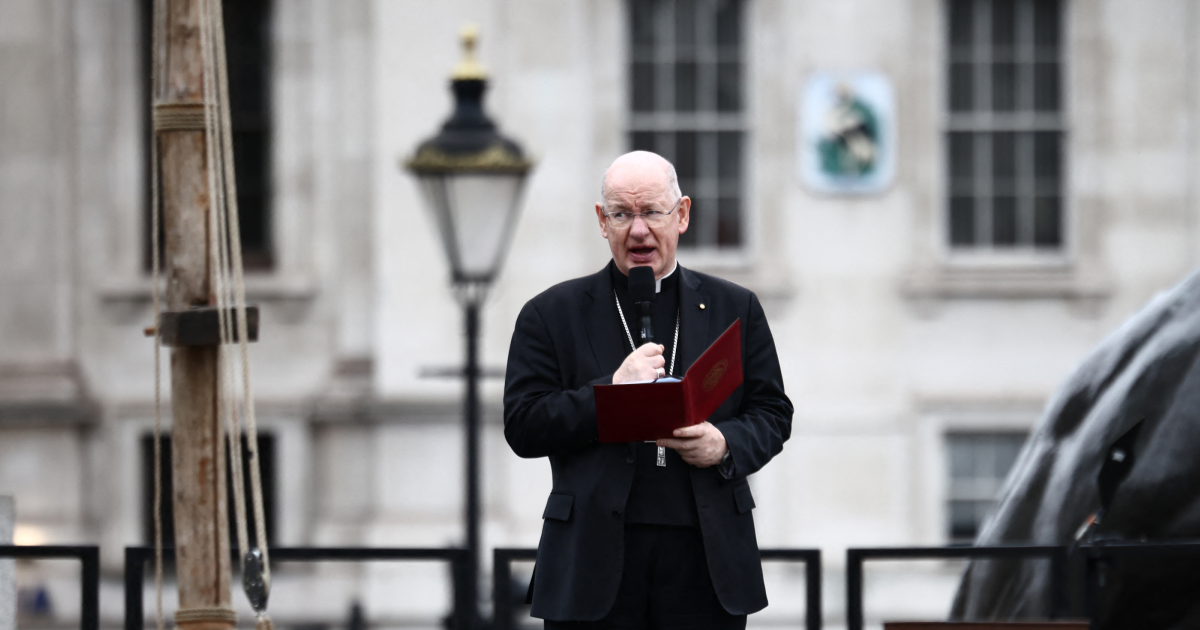

The Catholic Church in South Korea has renewed its warning to the faithful over the long-running controversy surrounding the alleged visionary Julia Youn of Naju, as concerns mount that the spread of her claims in the run-up to World Youth Day in Seoul in 2027.

In a statement released on March 12, the Korean bishops’ conference confirmed that Archbishop Simon Ok Hyun-jin of Gwangju is in communication with the Dicastery for the Doctrine of the Faith and is preparing a further decree intended not only for the local Church but for Catholics worldwide. The move reflects a judgement that the issue has outgrown its diocesan origins and now requires a more coordinated response at an international level.

The bishops framed their intervention as a “Request for Attention regarding the Escalating Situation Surrounding Julia Youn of Naju”, signalling both the persistence of the phenomenon and the growing urgency attached to it by Church authorities.

The case of Julia Youn dates back to June 30, 1985, when what the bishops describe as the “alleged weeping of a statue of the Blessed Mother owned by Julia Youn” was first reported. Over time, the claims expanded to include “the statue shedding tears of blood and moving, and a fragrance of roses emanating from Julia’s body”, alongside assertions of a Eucharistic miracle. In one particularly striking example, Youn describes receiving the Eucharist from Pope St John Paul II, which then turned into visible flesh and blood in her mouth. She further claims that the Pope witnessed the miracle.

These phenomena were promoted through what Youn described as the “Messages of the Blessed Mother of Naju”, presented as a form of private revelation.

From an early stage, the local Church authorities in Gwangju initiated a formal investigation. On December 20, 1994, an inquiry was established under the title “Investigation Committee on the Phenomena and Messages Which Happened to Julia Youn of Naju and Her Statue of the Blessed Mother”. The committee conducted interviews, on-site inquiries and a detailed examination of the material associated with the claims.

Its conclusion was definitive. The bishops state that the investigation determined that the phenomena “cannot be confirmed as supernatural phenomena (non constat de supernaturalitate)”. This finding, submitted to the Holy See, remains the canonical basis for the Church’s position on the events.

In response, the Archdiocese of Gwangju issued a pastoral admonition on January 1, 1998, which “officially prohibited the publication and distribution of all promotional materials related to Julia Youn of Naju” and reiterated “the previous measure forbidding the celebration of Masses, liturgical rites, and sacraments in private places associated with Julia Youn”.

Despite these measures, the movement continued to attract followers, prompting further disciplinary action. The bishops note that by a decree dated January 21, 2008, the archbishop declared that “the clergy, religious, and laypeople who preside over or attend the celebration of the sacraments or sacramentals” at sites associated with Naju “incur an automatic (latae sententiae) excommunication”.

That decision was explicitly upheld by the Holy See. In a letter dated April 24, 2008, the then Congregation for the Doctrine of the Faith affirmed that it “upheld the measures taken by the Archbishop of Gwangju as the official position of the Church”. This position was reaffirmed again in March 2011, when the same dicastery stated that “the examples which have been communicated to the Congregation by followers of Julia seem to have little connection with Christian piety” and that “the Holy See has no plans to change its position in regard to the purported miraculous events at Naju”.

The consistency of these interventions underscores that the Church’s judgement has not shifted over time. Yet the bishops now warn that the situation has entered a new phase, driven in large part by digital communication.

Marking the 40th anniversary of the initial claims in 2025, Youn’s followers have intensified their activity online. The bishops report that they have “actively spread false propaganda through various media channels: Instagram, YouTube, TikTok, Facebook”, including a series of short-form videos titled “Show Me the Naju Fact - Naju Fact-finding Committee”, which they say are designed “to distort information”.

They add that misleading material has been circulated under headings such as “Statements of Support from Past Popes for Our Lady of Naju” and “The Apostolic Nuncio to Korea’s Observation of the Naju Miracle”, presented “as if the universal Church officially endorsed their claims”. Such representations risk creating confusion among the faithful, particularly those without direct access to authoritative sources.

The international dimension of the movement is also a source of concern. According to the statement, Youn’s followers have sought to expand their reach by “establishing branches in various regions” and encouraging participation in events “under the pretext of a pilgrimage”. The bishops further note “the participation of many members of the clergy, including bishops from Southeast Asia, in the prayer meetings they organise”, suggesting that the issue now extends beyond the confines of the Korean Church.

This development is seen as particularly significant in the context of the forthcoming World Youth Day 2027. With global attention expected to focus on the Church in Korea, the bishops warn that “young people around the world are uncritically accepting information related to Julia Youn of Naju through the misleading online contents”.

In response, the Korean bishops have begun to coordinate a broader ecclesial effort. A circular letter dated January 12, 2026 informed bishops of the situation and requested that they “clearly communicate the Church’s teaching on this matter to the clergy, religious, and faithful of their dioceses”. The Permanent Council subsequently resolved on February 10 to seek the cooperation of the Federation of Asian Bishops’ Conferences in disseminating this guidance more widely.

At the same time, provision has been made for those who have incurred canonical penalties. The statement notes that individuals subject to automatic excommunication “may receive absolution if they sincerely desire it, provided that the diocesan bishop verifies the case and grants the remission through appropriate procedures, such as sacramental confession”.

The bishops conclude with a direct appeal to their counterparts across Asia, urging them “to recognise the gravity of this matter” and to ensure that the faithful are guided “so that they continue living their faith properly, without being misled by Julia Youn of Naju”.
subscribe to
the catholic herald

Continue reading your article with a subscription.
Read 5 articles with our free plan.
Subscribe

subscribe to the catholic herald today

Our best content is exclusively available to our subscribers. Subscribe today and gain instant access to expert analysis, in-depth articles, and thought-provoking insights—anytime, anywhere. Don’t miss out on the conversations that matter most.
Subscribe