



Plymouth was so badly bombed in the Blitz that when it came to post-war reconstruction, the planners decided they would forget much of the old street plan and create something completely new.
The city that rose from the Nazi-wrought destruction was focused on two grand boulevards: Armada Way, running north-south in a direct line from the railway station to the Hoe, and Royal Parade, stretching east-west, with one side allocated to shops and the other dedicated to civic affairs and entertainment.
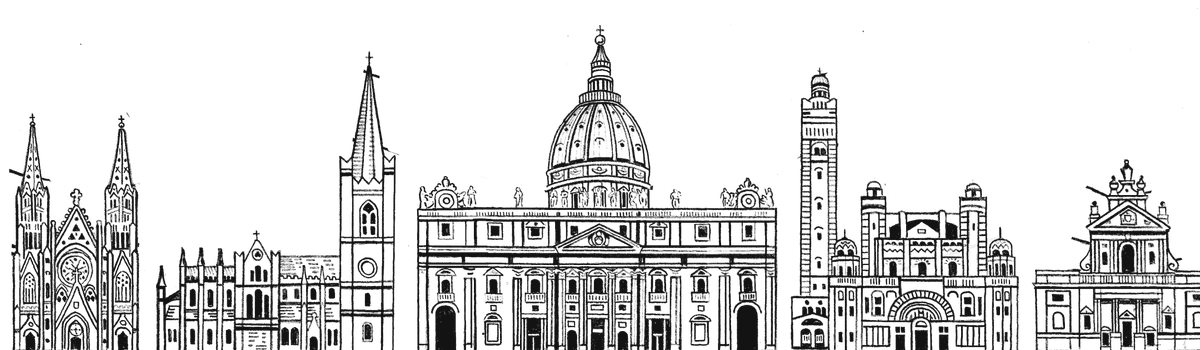
The men responsible for the redevelopment, distinguished town planner Patrick Abercrombie and city engineer James Paton Watson, allocated everything a zone – including faith. Along Notte Street a series of new places of worship were constructed, the most impressive being Sir Giles Gilbert Scott’s Catholic Church of Christ the King. Scott was an accomplished and sophisticated ecclesiastical architect, and he created a highly distinguished building of sand-coloured brick, with a soaring campanile. It was his last project, consecrated in October 1962, some 18 months after his death.