



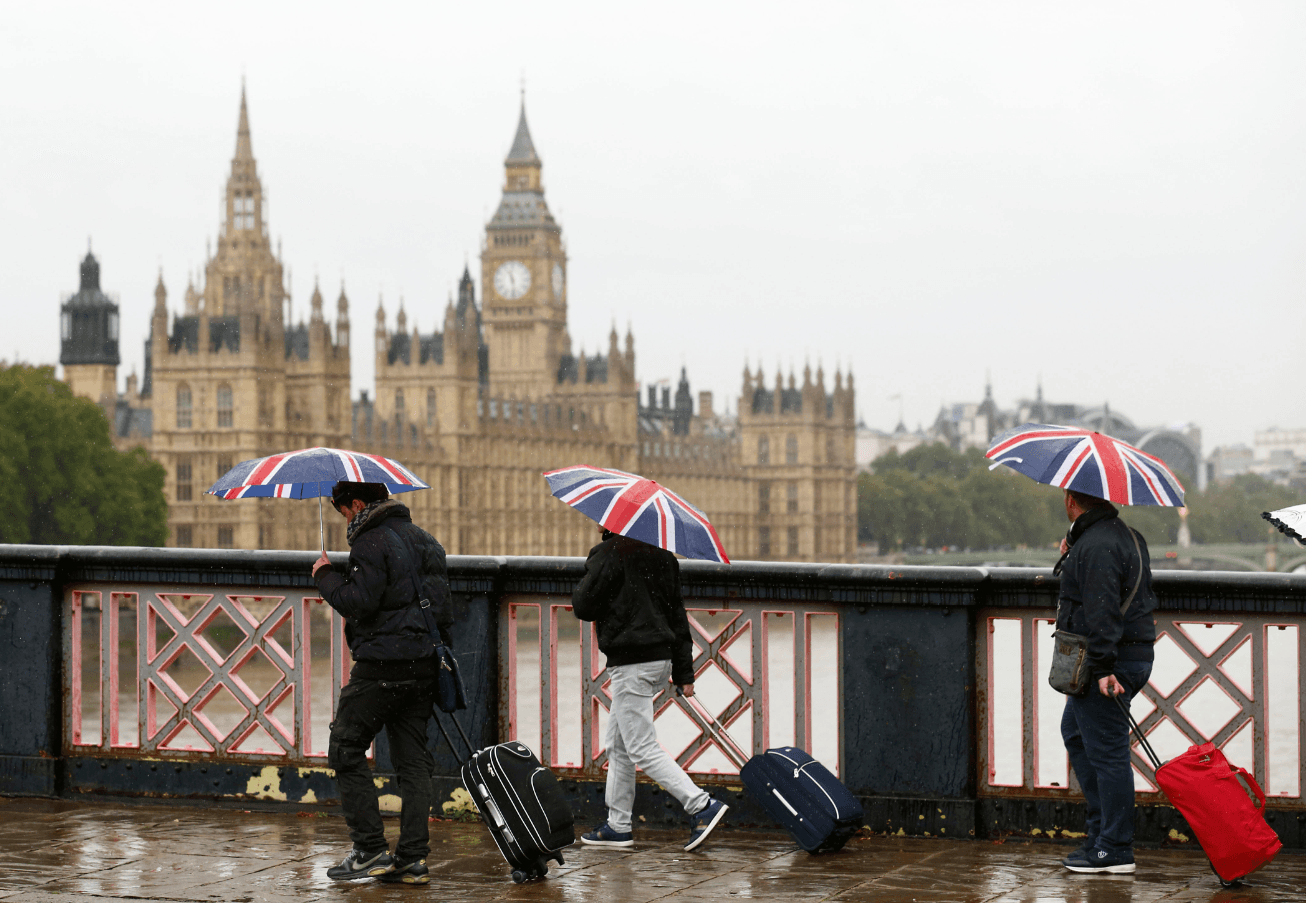
During the general election campaign, an American journalist from the New York Times paid an extensive visit to Britain, and reported back that he found a deeply divided United Kingdom. Many observations have been made along similar lines – it’s a theme with which we are familiar. But let me look on a brighter side: this very divisive general election also opened my eyes to the constituent parts of the United Kingdom. Over the course of the campaign, I’ve become more aware of the way other people live, and the particular demands of their geography and history. Dwelling, as I do, in the south-east of Kent, I haven’t been in the habit of wondering what life is like in Wolverhampton, or Esher, or Clwyd, Lincoln, Wakefield, Stoke-on-Trent, Plymouth, Bolsover, Golders Green, Belfast South or Glasgow Easterhouse. The focus on constituencies like these, some of which are bound to change hands, some of which are embedded in their traditional allegiances, has better illuminated the map of Great Britain and Northern Ireland for me. Perhaps I haven’t very often reflected on matters Scottish. Scotland is there: the Highlands are beautiful and the Firth of Forth is a phenomenon and Edinburgh has this famously posh area called Morningside. But the general election made me think a lot harder about Scotland: whether its future is to be part of the United Kingdom or not. The Scots certainly made their presence felt during the election conversations – and not just the politicians either. The airwaves sometimes seem dominated by Scots, from Andrew Marr to Andrew Neil, from Kirsty Wark to Fiona Bruce. I visited electoral areas like Whitstable – a marginal that is part of Canterbury – and Chingford, near Epping Forest. I wandered down High Streets and absorbed their ambience. I contemplated constituencies like Kensington, once the summum bonum of wealth and privilege, but held in 2017, by the skin of its teeth, by a Labour MP. And Kilburn, which was once so very Irish – the Catholic church at Quex Road was almost wholly Hibernian – is now such a thoroughly multicultural area. I walked down the Newtownards Road in East Belfast, a deep-dyed Ulster Loyalist redoubt. But it, too, is changing, and gentrification is gradually meeting old working-class life around the shipyards. The memory of the Titanic, proudly built in Belfast, has become totemic, part-heritage, part-re-enacted tragedy. (And the Belfast joke endures: “It was all right when it left here …”) Politically, the United Kingdom may be a divided society, and yet, I found plenty of harmony, friendliness, cheerfulness, kindness, and even optimism in the face of future uncertainty. There are plenty of reasons to emphasise the positive.
12:00 AM
Divided? Yes. But there's plenty of kindness and optimism in the UK
during the general election campaign, an american journalist from the new york times paid an extensive visit to britain, and reported back t...
Mary Kenny

4 min read



Already a subscriber? Sign in
5freearticles every month
Continue reading with a free account. No card needed.
- Five free articles every thirty days, on any device you sign in on
- The Catholic Herald newsletter, every morning
- Subscribe whenever you like for everything: every article and the magazine



subscribe to the catholic herald today
Our best content is exclusively available to our subscribers. Subscribe today and gain instant access to expert analysis, in-depth articles, and thought-provoking insights—anytime, anywhere. Don’t miss out on the conversations that matter most.
Subscribe



