


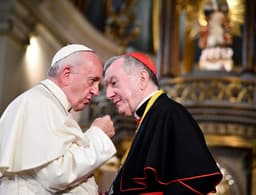
Whether one is in the world of commercial corporate governance or that of ecclesiastical governance, the naked notion of “efficiency” is – as the saying goes – a good servant but a terrible master. It is especially dangerous when powerful figures mistake efficiency for a ruling principle. That’s one reason why the words of the Vatican’s new chief of mission, Cardinal Luis Antonio “Chito” Tagle, on the subject – and the words of Pope Francis to the Pontifical Mission Societies, which preceded and occasioned Cardinal Tagle’s recent remarks – deserve careful attention. “Pope Francis is not against efficiency and methods that could make our mission fruitful and transparent,” Cardinal Tagle told Vatican News in an interview released on May 28, “but he is warning us about the danger of ‘measuring’ Church mission using only the standards and outcomes predetermined by models or schools of management, no matter how good and useful these may be. “The tools of efficiency can help,” Cardinal Tagle said, “but should never be a substitute for church mission.” Tagle went on to say, “The most efficiently run church organisation may end up being the least missionary.” Efficiency, however, is not a measure of how much an outfit spends or an account of where it spends it, but a prudent ordering of resources to the service of the core mission. On that understanding, the most efficiently run Church organisation will be the most successful missionary outfit, almost by definition. It will be the one that gets the most from the resources at its disposal. The Pontifical Mission Societies, by the way, is the name of an umbrella organisation for several worldwide networks:
4:57 PM
Efficiency and fundraising: Two glimpses of current thinking in Rome
Christopher R. Altieri


4 min read



Already a subscriber? Sign in
5freearticles every month
Continue reading with a free account. No card needed.
- Five free articles every thirty days, on any device you sign in on
- The Catholic Herald newsletter, every morning
- Subscribe whenever you like for everything: every article and the magazine
Related articles
 Analysis
Catholics were in America long before 1801
From Spanish Jesuit missionaries in Virginia to Maryland’s Catholic settlers, the history of Catholicism in America stretches back to the colonial era
Christine Rousselle Analysis
The extreme violence behind the international trade in drugs
Simon Caldwell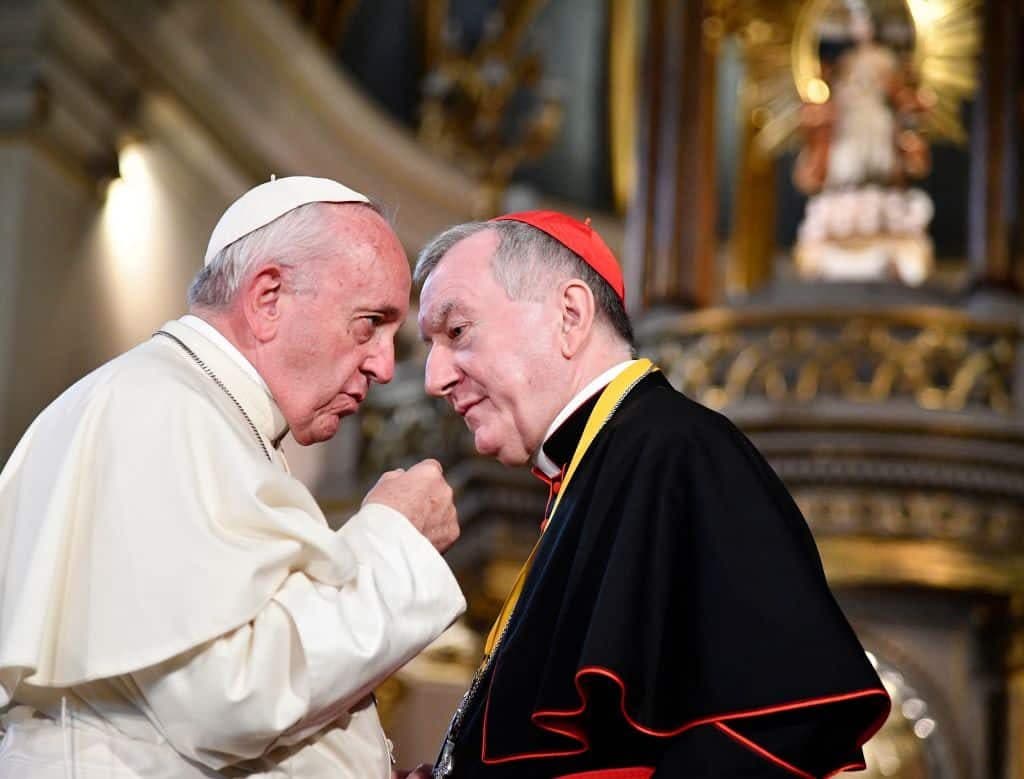 Analysis
Assessing Pope Francis's most controversial decisions
Elise Ann Allen/ Crux Analysis
As Francis marks 12th anniversary of his election in hospital, we should recall his words during first days as Pope
Charles Collins/Crux Analysis
Trump's critics should consider parallels with another German leader
Charles Collins/Crux
subscribe to the catholic herald today
Our best content is exclusively available to our subscribers. Subscribe today and gain instant access to expert analysis, in-depth articles, and thought-provoking insights—anytime, anywhere. Don’t miss out on the conversations that matter most.
Subscribe



