



February 11, 2026

Gregorian University's Centre for Child Protection to get new name, mission profile

Tommaso Pozzi
More
Related
Min read
share
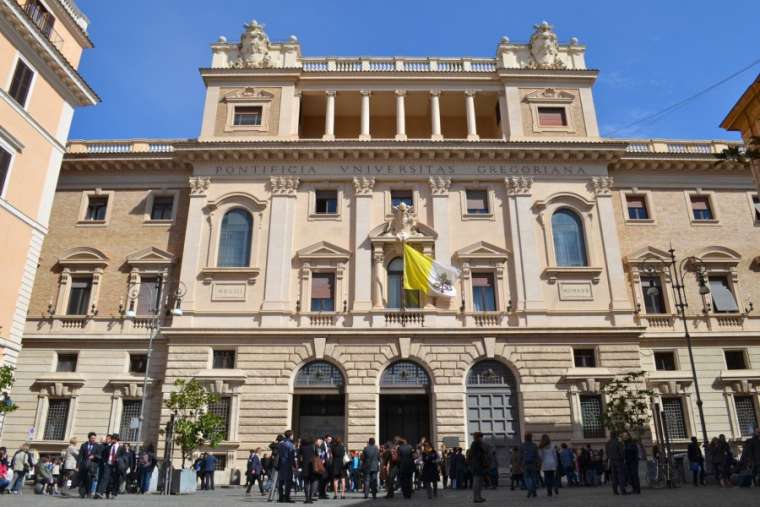
The Pontifical Gregorian University, file photo / Paolo Pegoraro
 

Beginning on 1 September 2021, the Church’s flagship academic foundation for the study and prevention of the sexual abuse of children and vulnerable persons will be getting a major overhaul.

The Pontifical Gregorian University’s Centre for Child Protection is set to become “The Institute of Anthropology. Interdisciplinary Studies on Human Dignity and Care,” which will be known by the initials IADC.

A press release on Tuesday explained that the change will allow the CCP “to expand its scope, award academic degrees, and develop its own faculty.”


“With this decision, our University reiterates and intensifies its commitment to the work of protecting minors and vulnerable people and supporting safe environments which promote respect for human dignity,” said Fr Nuno da Silva Gonçalves, the rector of the Gregorian University. “At the same time," he added, "this conversion will deepen the interdisciplinary dimension of education and research, recognized by all as fundamental to addressing issues surrounding abuse and its prevention.”

Established in 2012 as a part of the Gregorian University’s Institute of Psychology, the CCP focused originally on “care for victim-survivors of child abuse.” It features an interdisciplinary approach to prevention, drawing on the disciplines of philosophy, theology, and psychology, ultimately developing its approach “within the broader concept of human dignity.”

The decision to expand the CCP was taken in the context of increasing demands on the Centre as a “leading authority” in the area of child protection. The new Institute will focus on the “anthropological, social, and systemic factors that jeopardise human dignity,” in order to “promote the effective care and protection of every person – primarily children, who are the most vulnerable.”

The goal, says the press release, is “to respond to the cry for justice and healing, to develop empowerment strategies to help people wounded by abuse to effectively and constructively cope with it, and to promote the creation of healthy and safe environments for integral human growth and well-being.”

The Pontifical Gregorian University, file photo / Paolo Pegoraro
 

Beginning on 1 September 2021, the Church’s flagship academic foundation for the study and prevention of the sexual abuse of children and vulnerable persons will be getting a major overhaul.

The Pontifical Gregorian University’s Centre for Child Protection is set to become “The Institute of Anthropology. Interdisciplinary Studies on Human Dignity and Care,” which will be known by the initials IADC.

A press release on Tuesday explained that the change will allow the CCP “to expand its scope, award academic degrees, and develop its own faculty.”

“With this decision, our University reiterates and intensifies its commitment to the work of protecting minors and vulnerable people and supporting safe environments which promote respect for human dignity,” said Fr Nuno da Silva Gonçalves, the rector of the Gregorian University. “At the same time," he added, "this conversion will deepen the interdisciplinary dimension of education and research, recognized by all as fundamental to addressing issues surrounding abuse and its prevention.”

Established in 2012 as a part of the Gregorian University’s Institute of Psychology, the CCP focused originally on “care for victim-survivors of child abuse.” It features an interdisciplinary approach to prevention, drawing on the disciplines of philosophy, theology, and psychology, ultimately developing its approach “within the broader concept of human dignity.”

The decision to expand the CCP was taken in the context of increasing demands on the Centre as a “leading authority” in the area of child protection. The new Institute will focus on the “anthropological, social, and systemic factors that jeopardise human dignity,” in order to “promote the effective care and protection of every person – primarily children, who are the most vulnerable.”

The goal, says the press release, is “to respond to the cry for justice and healing, to develop empowerment strategies to help people wounded by abuse to effectively and constructively cope with it, and to promote the creation of healthy and safe environments for integral human growth and well-being.”

subscribe to
the catholic herald

Continue reading your article with a subscription.
Read 5 articles with our free plan.
Subscribe

subscribe to the catholic herald today

Our best content is exclusively available to our subscribers. Subscribe today and gain instant access to expert analysis, in-depth articles, and thought-provoking insights—anytime, anywhere. Don’t miss out on the conversations that matter most.
Subscribe