



There is a term from workplace psychology that has quietly escaped from the office and subtly colonised the rest of our lives. ‘Presenteeism’ was coined to describe the phenomenon of showing up to work while too ill, distracted or disengaged to function at our best – physically in the room, but mentally somewhere else entirely. It was meant as a warning about lost productivity, but has become, unintentionally, a description of modern life itself.
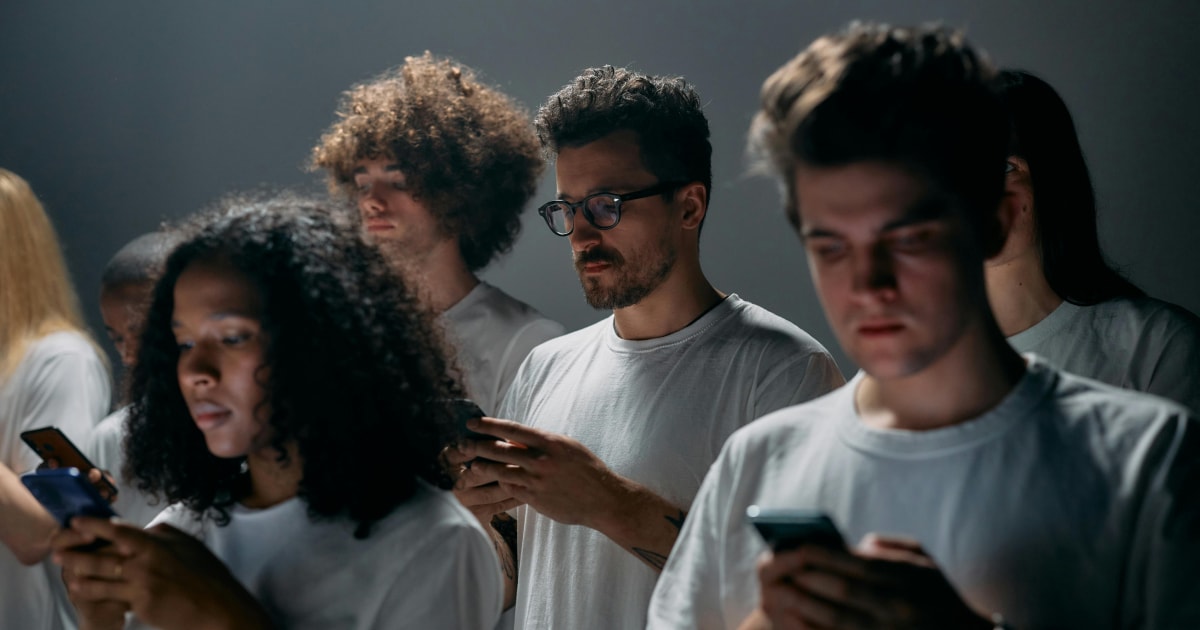
We are a generation of the physically present and the mentally absent. Parents sit at kitchen tables with their children while scrolling through emails, couples share meals in near silence, each illuminated by the glow of a separate screen, and commuters pass through landscapes with their faces turned downwards. We are, in the most literal sense, elsewhere – even when we are here.
The professional cost of this is already well documented, and it is considerable. In Britain, the Centre for Mental Health has calculated that presenteeism costs the UK economy £15.1 billion a year – nearly double the £8.4 billion lost to absenteeism – while the Chartered Institute of Personnel and Development has reported that the problem more than tripled between 2010 and 2018.
The distracted employee attends the meeting, occupies the desk, has the laptop open, and yet is burning through mental reserves toggling between browser tabs and WhatsApp threads, half present to everything and fully present to nothing.
When I started my career, I would not have dreamed of placing my personal phone on my desk. Partly this was due to etiquette, but it was also simply unnecessary. The desktop computer anchored me to the office in a way that felt almost architectural: my work lived there, in that room, on that machine. The office was a bounded, physical world, but that boundary has since dissolved entirely, eaten away first by the laptop, which made the office portable, and then by the smartphone, which made it inescapable.
What is less often acknowledged is the human cost: the cost to our relationships, our interior lives and our capacity for the kind of attention that love actually requires.
Attention, as the French philosopher Simone Weil observed, is ‘the rarest and purest form of generosity’. To give someone our full and undivided attention is to say, without words: you matter. You are worth my time. I am here. It is an act of profound respect, and yet it is becoming vanishingly rare.
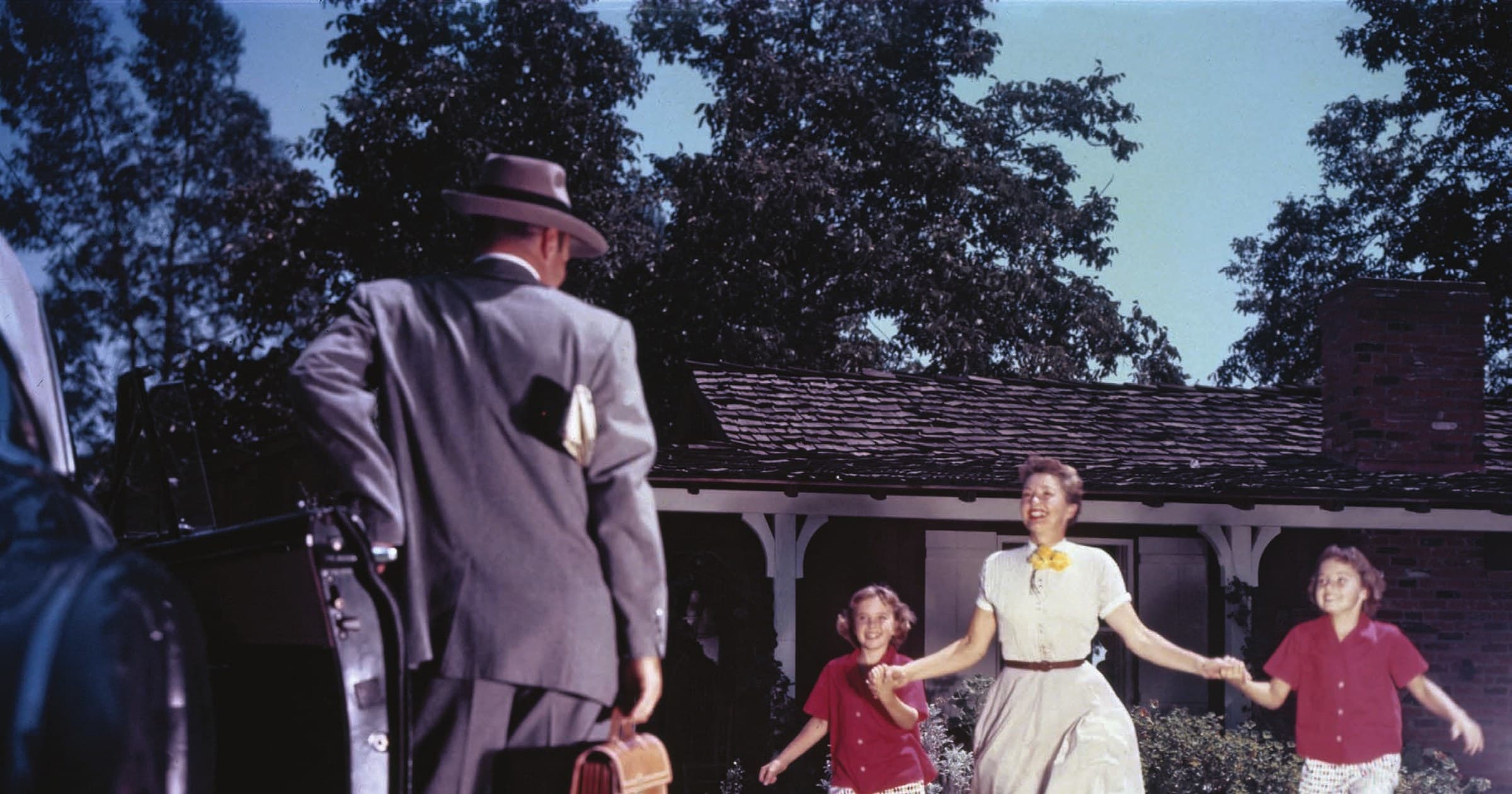
The consequences extend far beyond the office. Consider what it means to a child to have a parent who is physically present but perpetually distracted, seated at the dinner table but not really there, nodding along but not really listening, one hand absent-mindedly reaching for a phone while the other goes through the motions of play.
Research consistently shows that children are acutely sensitive to the quality, not merely the quantity, of parental attention. A parent who looks up from a phone to answer a question but has not truly stopped, or who nods while the eyes drift back to the screen, communicates something the child registers even if he or she cannot articulate it: that something elsewhere is more interesting than they are. Over time, this accumulates and can shape how children understand their own worth, their expectations of intimacy and their ability to have genuine encounters with others.
The same logic extends to every relationship, all of which require presence. I am not innocent of this either, having held conversations with people I love while staring at a screen, half listening, one eye on my to-do list, chasing the small dopamine hit that comes with feeling productive.
When was the last time you experienced a sustained and uninterrupted stretch of undivided attention? Work, at its best, requires the kind of focused engagement that fragmented attention cannot provide. Deep work – the creative thinking, the careful listening, the patient problem-solving – cannot be done in the margins between notifications.
Thankfully, our Catholic tradition can help us here. Contemplative prayer has always insisted that attention is not merely a cognitive skill but a learned spiritual discipline, something that must be cultivated, protected and, in the age of the algorithm, actively reclaimed.
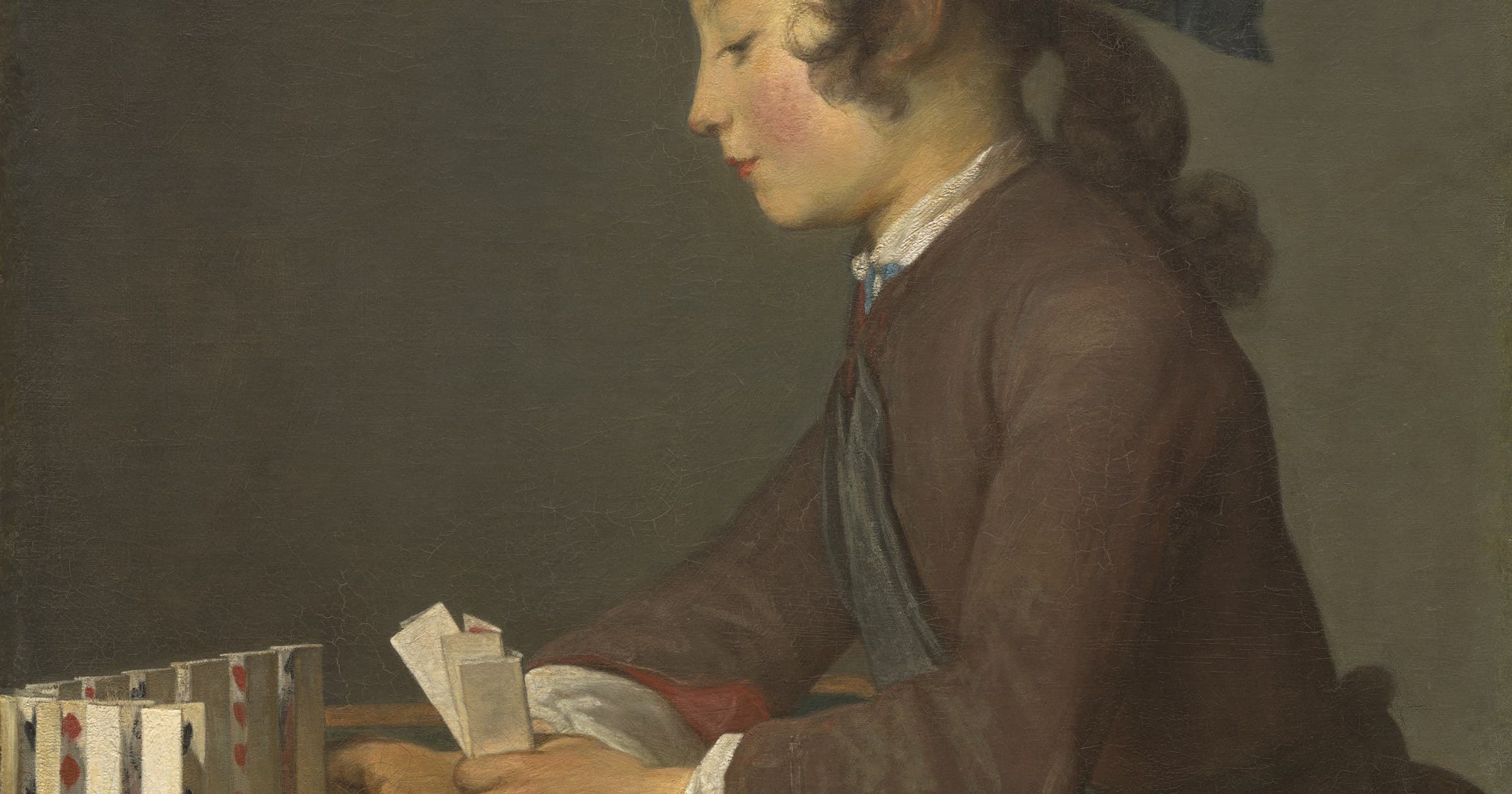
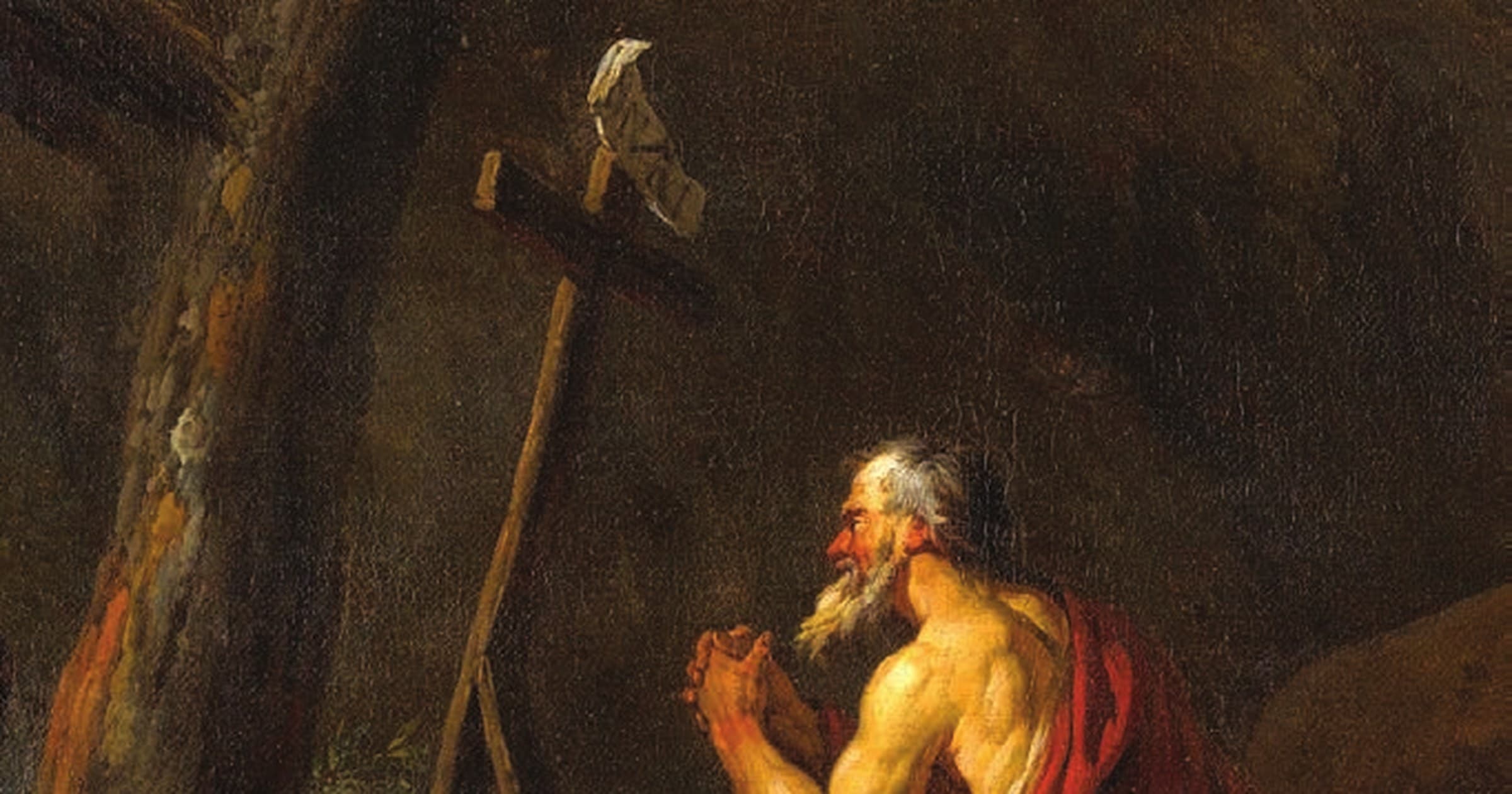
St Teresa of Avila, writing in the 16th century, identified the wandering mind as one of the greatest obstacles to prayer, and her remedy was not simply effort but practice, the slow training of attention to return again and again, to pray well and to be fully present to God.
And this attentiveness is not meant to remain in our prayer corners, but to flow outwards into every dimension of life. Saints who were most radically present to God became, without exception, most radically present to others. St Teresa of Calcutta did not scan the room while speaking to the dying, and St John Vianney did not have one ear on the penitent and one on the door. The quality of their attention was itself a form of witness, a visible sign that the person before them possessed infinite worth, and that they trusted God with the time He had given them, neither anxious nor distracted by what might be happening elsewhere.
To be fully present to another human being is a deeply incarnational act. It honours the dignity of the person and takes seriously the claim that every soul before us is made in the image of God, and therefore worthy of our whole attention.
This is why reclaiming presence may be one of the most countercultural acts available to us right now. In a world designed to fragment our attention and monetise our distraction, choosing to put our devices away – at the dinner table, in the meeting, during playtime with our children, on the dog walk, at the bedside – is a small but genuine act of resistance. It is a refusal to be colonised by the urgent at the expense of the immortally important.
The digital world will not slow down of its own accord. Notifications will keep coming and demands will keep multiplying. The question is not whether our attention will be contested, because it inevitably will, but whether we will decide, daily and deliberately, that the people entrusted to us deserve more than our physical proximity. They deserve our eyes, our ears and our unhurried minds.
That, in the end, is what presence actually means. Not proximity or availability or our body in the room while our mind is somewhere else, but this: to look at the person in front of you and, for a moment, to let the rest of the world wait.