


May 24, 2026

The dangers of performative faith

Noelle Mering
More
Related
Min read
share

The Catholic Faith will always sit in a bit of tension with the concept of branding and influencers. Most of us likely sit in tension with that tension, because we rightly see the good of amplifying Catholic voices. Media as a tool for communication isn’t going away and should be used well. The democratisation of media has now proven able to break a monopoly on information that has for decades succeeded in relentlessly branding the Faith negatively.

The recent waves of conversions into the Church can be attributed at least in part to new levels of access to effective and compelling presentations of the Faith. This new access, combined with the compounding and evident distortions promulgated by prior gatekeepers to information and narrative framing, has surely created new channels into hearts and minds on a scale heretofore unknown. Media cannot be abandoned.
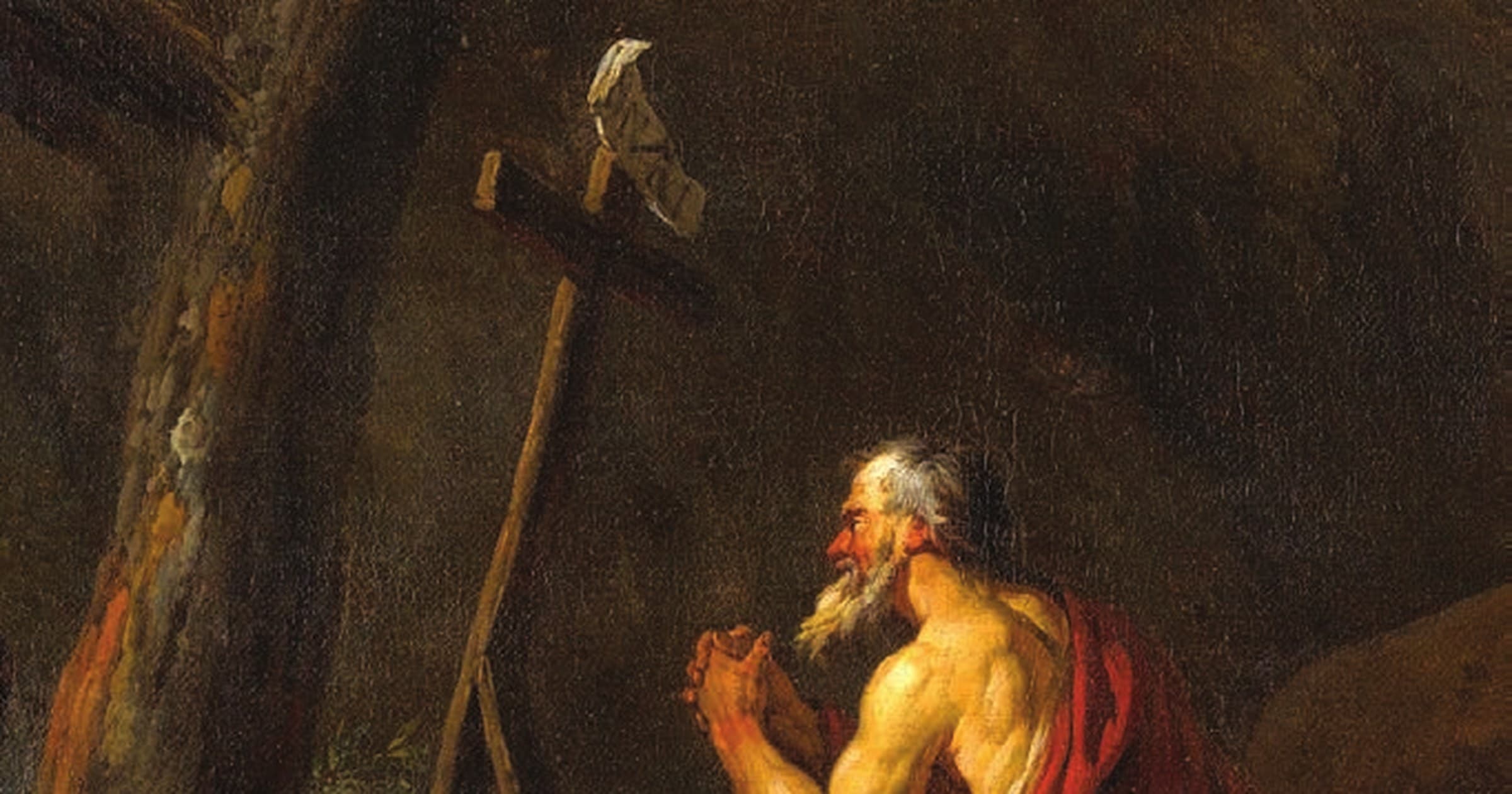

But the tension for the Catholic remains. What most ignites conversion from one person to another is the vibrancy of Christ mysteriously refracted through a human being in a way that can’t be performed. This vibrancy can be authentically communicated on mediated platforms to a degree and those who do it well serve us well. But I’m sure they would agree that this is only an entry point to what must become known in person and in slow, ordinary ways.

There are obvious reasons for this: the Church is sacramental and incarnational, and we’re embodied beings. But there is another reason; the Catholic life is deeply interior, and the cultivation of the interior life is a process of continual refining and regressing and refining again – not only of our actions but of matters of the heart that are hidden to others and often even to ourselves. Because of this, the universal call to purity of heart feels newly urgent in our digital age.

To be pure of heart is somewhat pious sounding but it gets to the core of what we might need now most – from the influencer to the new convert to the cradle Catholic. Jesus tells the pure of heart that they shall see God. That promise is the hope of eternal beatitude, but it is also a promise that purity of heart helps us to see Him more clearly here and now and so to better see ourselves and those around us.

Fr Michael O’Loughlin, a dear priest friend, said in a recent homily that part of the distinctive experience of the celibate religious – especially of one like himself who has many married friends – is that there is no one in this life whom he gets to love the most. There is also no one in daily life who loves him the most. While there is some visceral heartache in that there is also the opportunity for an accelerated purification. As he went on to say, it means that he is free to love God the most and is reminded each day that there is no one who loves him more than God in return. This realisation, as simple as it is profound, is meant for us all, Religious or lay, and is the essence of purity of heart.

To be pure of heart is to be simple and wholehearted. Its opposite is to be disintegrated and divided, sort of like a husband who professes love for his wife while giving part of his heart to another woman. To be wholehearted for God is not to love only God but to order all other loves so none rival Him. Paradoxically, this wholeheartedness makes all our other loves free and full, while divided love is either diminished or fraudulent (just ask the hypothetical wife).

But with all our attachments and feebleness, aren’t most of us loving God in a divided way? Probably. So how do we grow in purity of heart? One place to begin is with rectitude of intention – by examining the why behind what we do. Even good and fruitful activity can be done for disordered reasons: a need for applause and recognition, a feeding of the bottomless pit of the ego, a disordered pursuit of money. The question is not simply whether we are doing good things and avoiding bad ones, but whether we are continually working to realign our intentions towards the glory of God and the salvation of souls.

There are indications to pay attention to that our intentions need purification: becoming disproportionately wounded by criticism, resentful of the success of others, or overly nourished by praise. Such reactions, however common, should be part of our examination of conscience – not only what we do, but why we do it.

Small daily reminders can help reorient our why: a crucifix near the computer or kitchen sink, or simple prayer intentions attached to ordinary tasks: a load of laundry offered up for this person, an hour of work for another intention. In this way, even mundane acts begin to retrain the heart and dispose us to receive grace.

The second thing to consider is sincerity. A divided heart has a remarkable ability to hide from itself. We might see only the part we wish to see while glossing over the rest, often going to great lengths to excuse or justify ourselves when we fall short.

One indication that we need to grow in sincerity is a tendency towards small-mindedness: taking sly pleasure in the faults of others or becoming overly preoccupied with their business. This is often a deflection from confronting ourselves and a foolish attempt to secure virtue by comparison. Another indication is becoming overly complicated in Confession (or avoiding it altogether), endlessly qualifying and explaining ourselves to make our complicity more muted.

While the divided heart easily excuses itself and accuses others, the pure of heart are eager to go to great lengths to excuse others and equally eager to accuse themselves without qualification. They are such contradictions to this world that their friendship makes friendship with Christ almost irresistible. St Josemaría Escrivá captured this wholeheartedness in his prayer to the Holy Spirit:

“I want what you want, I want it because you want it, I want it as you want it, I want it when you want it.”

The world of influencers and branding will always be a mixed and imperfect one, because it’s populated by human beings, and every human sphere is marked by that same mixture. But as these platforms continue to shape hearts and imaginations, the answer isn’t cynicism so much as greater depth for us all. This hidden work in the heart becomes more urgent precisely because so much of the digital age rewards fragmentation and performance. What ultimately draws souls is the unmistakable presence of a life transformed by God, and it’s that hope that ignites us and others – to want to be made whole and wholly His.

Continue reading with a free account

Create a free account to read up to five articles each month
Create free account

You have # free articles remaining this month.

Subscribe to get unlimited access.
Sign up

subscribe to the catholic herald today

Our best content is exclusively available to our subscribers. Subscribe today and gain instant access to expert analysis, in-depth articles, and thought-provoking insights—anytime, anywhere. Don’t miss out on the conversations that matter most.
Subscribe