“The kingdom of heaven is like a grain of mustard seed that a man took and sowed in his field. It is the smallest of all seeds, but when it has grown it is larger than all the garden plants and becomes a tree, so that the birds of the air come and make nests in its branches.” (Matthew 13:31–32)
This Monday’s Gospel provides us with a good way to start the week. If we understand the Kingdom parables in terms of our own spiritual growth, they incentivise us to grow in faith like nothing else. As Fr Matthias Joseph Scheeben puts it in his meditation for that day (p. 374):
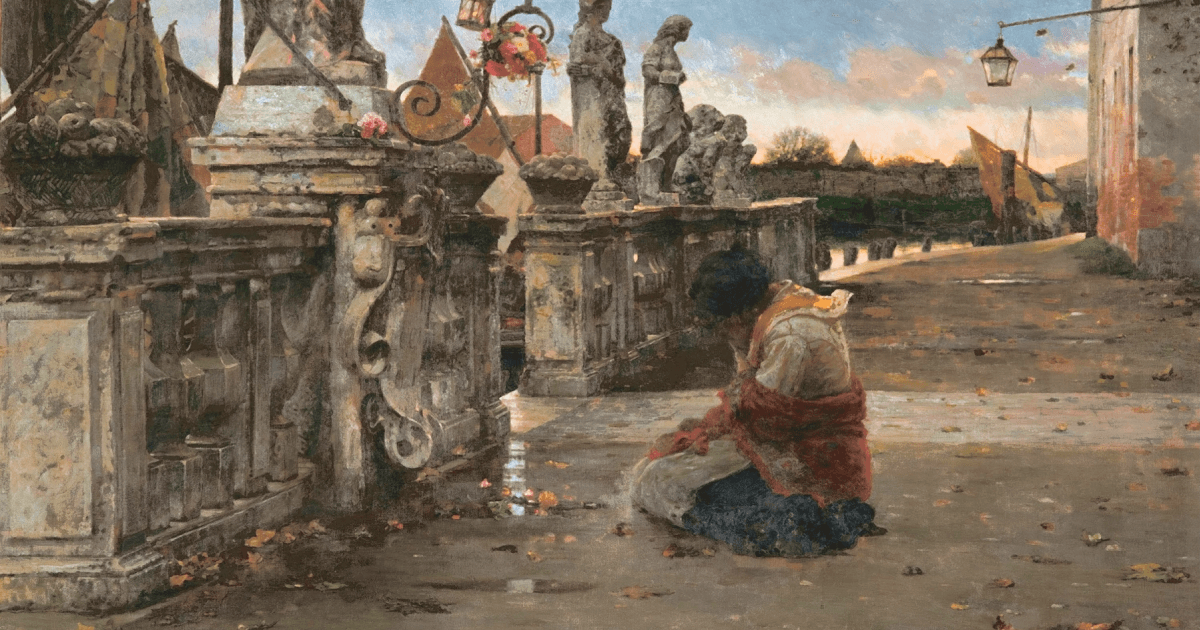
“Let us listen to the strong cry of the ardent, intimate, and infinite longing which grace itself elicits from our heart; let us listen to the unutterable sighs that the Holy Ghost calls forth in our heart, and let us follow them to the source from which they spring. Then we shall not stray from the true path, and already here below we shall enjoy the peace of heaven, insofar as it is possible in this valley of tears.”
Our July Saints Who series ends with several more well-known examples of female saints, but before we get there we have a lesser-known figure (p. 378). The 19th-century St Charles of Mount Argus had a mustard-seed-like vocation. After failing in his worldly career (the military), he also lacked a crucial skill for his work as a Passionist: the ability to speak foreign languages. Moving from his native country, the Netherlands, to Ireland, he was not able to preach effectively in his host country. Instead, he unpacked the fruits of his rich spiritual life in the confessional, bringing healing of soul and body to many.
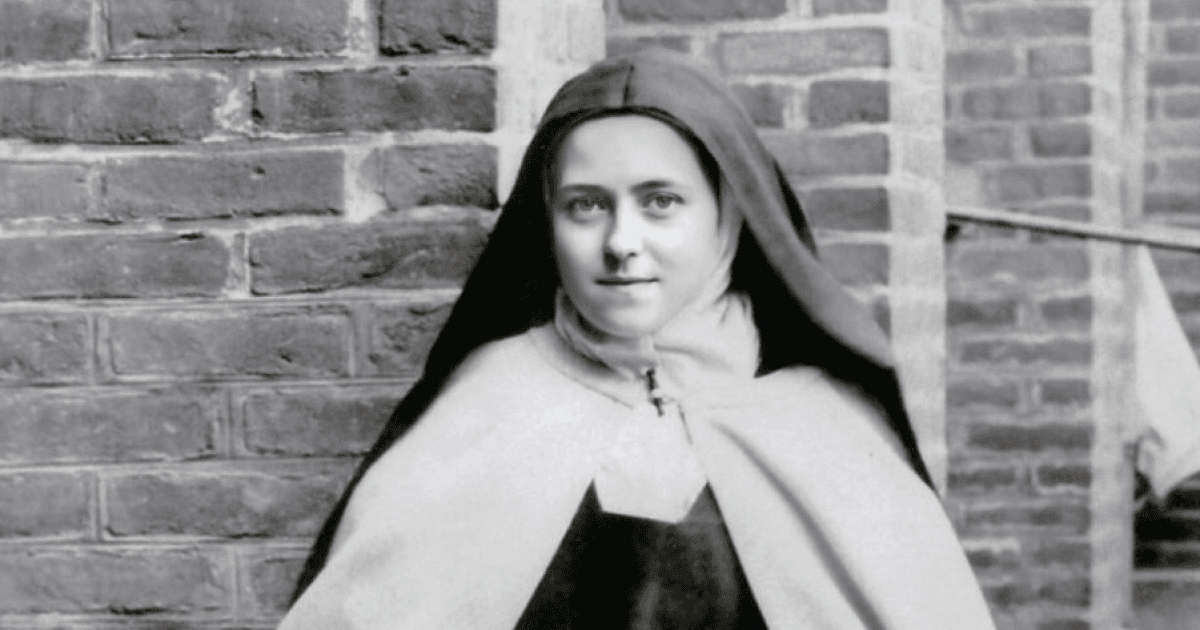
One of his contemporaries was St Thérèse of Lisieux (p. 389), who also felt herself to be without any special powers on the human level. Yet she ploughed this very furrow into the teaching which eventually earned her the title “Doctor of the Church”. Another modern Carmelite, St Elizabeth of the Trinity (p. 403), struggled with spiritual darkness just like St Thérèse. Her unique contribution to the spiritual life of the Church consisted in bringing the theology of the Blessed Trinity into the life of prayer: “Immerse yourself in me that I may be immersed in you until I go to gaze for ever, in your light, on the boundless depths of your greatness.” Finally, St Faustina Kowalska (p. 426) brought us the devotion to Divine Mercy, which marked several recent pontificates, from Pope St John Paul II through Pope Francis and now Pope Leo. All are instances of how a profound prayer life, seemingly hidden at the time, can feed the universal Church.
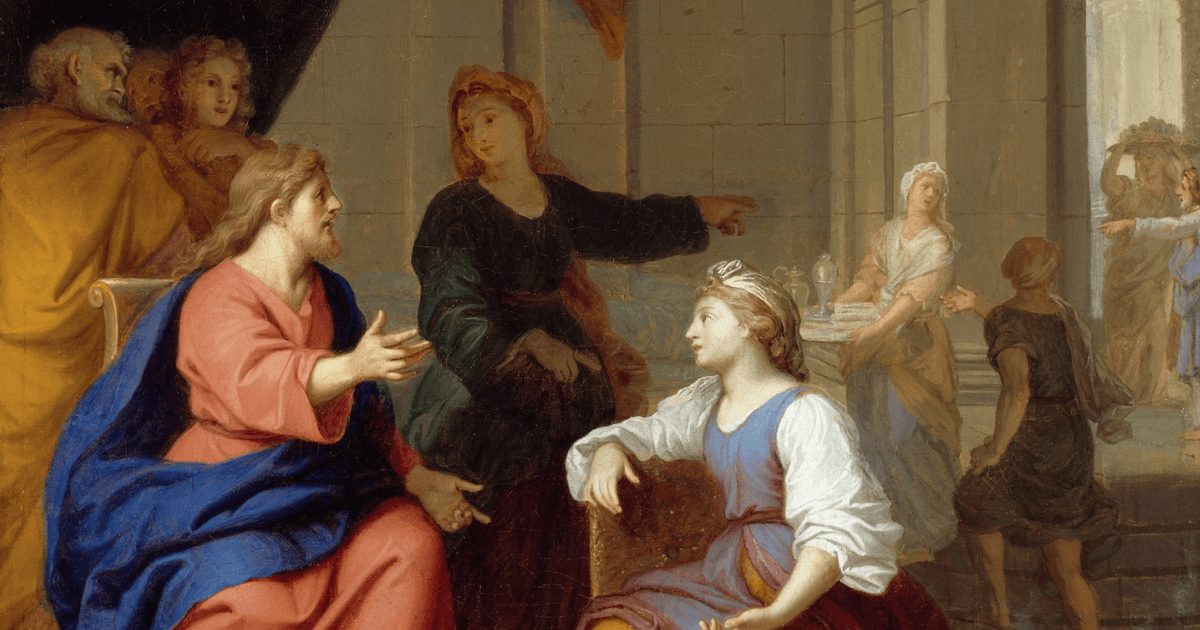
On Wednesday we celebrate the feast of Ss Martha, Mary and Lazarus, that wonderful trio of friends who made such a mark on the Gospel narrative. As the introduction to the Mass that day reminds us:
“Martha is remembered as the one who was fretting when Jesus came to dinner, in sharp contrast to her sister Mary, who sat at the Lord’s feet. Jesus tells Martha that Mary has chosen the ‘good portion’. Martha clearly takes Jesus’s correction to heart. When he comes to Bethany again, this time because her brother Lazarus has died, Martha is still the active one, the doer. She runs out to greet Jesus while Mary stays at home. But now Martha’s anxiety has given way to faith: ‘I believe that you are the Christ, the Son of God, who is coming into the world.’”
After the optional memorial of St Peter Chrysologus on Thursday, on Friday, the last day of July, we celebrate the feast of St Ignatius, the ultimate active contemplative. His meditation for that day is a reminder of his gift for communicating the colourful landscape of his own soul.
“I made my preparation [for Mass] in my room and commended myself to Jesus, asking… that, before the Blessed Trinity, he might do his best service, on my behalf, in the way that would be most suitable. … At that, I received some light and strength: I entered the chapel and while praying felt, or to put it more exactly, I saw, not by natural power, the Blessed Trinity and also Jesus who was representing me, or placing me before the Trinity or acting as mediator close to the Blessed Trinity. … On feeling and seeing in this way I was covered in tears and love. … Later I felt in a similar way that Jesus was performing the same task when I thought of praying to the Father, for it seemed and I could feel within me that he was doing everything before the Father and the Blessed Trinity.”
And now you must open your August issue! Saturday 1 August is the feast of St Alphonsus Liguori, another great religious founder (the Redemptorists) whose vocation was also rooted in an apparent failure on the worldly level. All of these figures remind us how fruitful it can be when our talents and abilities are put into the hands of God, a theme which is confirmed by the reading from Isaiah (55:1–3) on Sunday 2 August:
Thus says the Lord: “Come, everyone who thirsts, come to the waters; and he who has no money, come, buy and eat! Come, buy wine and milk without money and without price. Why do you spend your money for that which is not bread, and your labour for that which does not satisfy? Listen diligently to me, and eat what is good, and delight yourselves in rich food. Incline your ear, and come to me; hear, that your soul may live; and I will make with you an everlasting covenant, my steadfast, sure love for David.”
After hearing St Matthew’s telling of the miracle of the loaves and fishes (Matthew 14:13–21), we should be in a state of amazement at the way God works. As Blessed John of Ruusbroec explains in the meditation for that day (p. 40): “Charity held the higher powers of Christ’s soul in stillness and in an enjoyment of the same bliss which he now enjoys. This same charity kept him constantly raised up to his Father in reverence, love, praise, and veneration, leading him to pray fervently for the needs of all persons and to offer up all his works for the honour of his Father. This same charity made Christ bend low with loving fidelity and kindness to every human need, whether bodily or spiritual. In this he gave an example to all human beings, showing them through his own life how they ought to live.”
Psalm 94, which we prayed at the beginning of the week, expressed this worshipful amazement perfectly:
Can he who made the ear, not hear?
Can he who formed the eye, not see?
Will he who trains nations, not punish?
Will he who teaches men, not have knowledge?
(The Lord knows the thoughts of men.
He knows they are no more than a breath.)
Happy the man whom you teach, O Lord,
whom you train by means of your law:
to him you give peace in evil days
while the pit is being dug for the wicked.
The Lord will not abandon his people
nor forsake those who are his own:
for judgement shall again be just
and all true hearts shall uphold it.
As for me, the Lord will be a stronghold;
my God will be the rock where I take refuge.
Magnificat is a spiritual guide to help you develop your prayer life, grow in your spiritual life, find a way to a more profound love for Christ, and participate in the holy Mass with greater fervour. If you are in the UK, you can subscribe here.