

February 12, 2026

Heretic of the week: Robert Browne

Charles Coulombe
More
Related
Min read
share

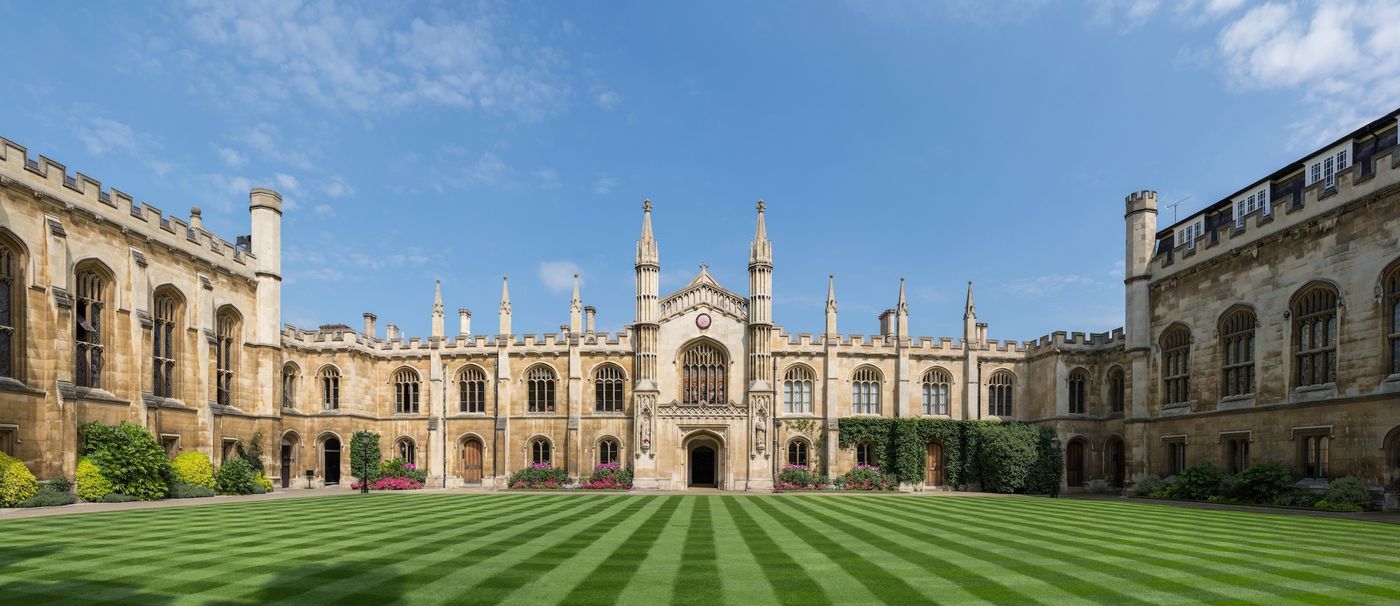
Rather obscure today, Robert Browne (1550s-1633) is arguably one of the most important figures in Anglo-American religious history. Born to a gentry family in Rutland, Browne graduated from Corpus Christi College, Cambridge, in 1572. During his time at Cambridge he converted to Puritanism – which, at the time, wished simply to purge the Church of England of “papistry” and replace it with Calvinism, while keeping the relationship between the “reformed” Church and the state intact.

For a few years he preached these ideas while serving as a lecturer at a church in the London area. In 1578, he returned to Cambridge. While fulfilling his duties at a local church, he came to believe that the Anglican Church was too corrupt to be reformed from the outside, and that “true” Christians must form their own organisation.

Arrested in 1581 after trying to set up his own congregation, he was released through his relative, the powerbroker William Cecil, and left for the Netherlands. There, for two years Browne presided over a breakaway group, and wrote books setting forth his unique doctrines – especially on separation of church and state and the independence of each congregation.

Within a couple of years, however, the congregation broke up over internal disputes. In 1585, he gave up and returned to England, rejoining the Cof E as a priest and ministering in that body until his death.

But his original convictions continued to find converts, despite his active opposition. By 1608, there were three “Brownist” churches in Amsterdam, made up of English refugees. In keeping with the traditions of their founders, they soon fell out among themselves. One joined the local Mennonites, while the minister of the second rejected infant baptism and brought his flock temporarily back to England. Thus began the Baptists of today. The last of his followers sailed to Plymouth Rock, where they became the Pilgrims of song and story.

Rather obscure today, Robert Browne (1550s-1633) is arguably one of the most important figures in Anglo-American religious history. Born to a gentry family in Rutland, Browne graduated from Corpus Christi College, Cambridge, in 1572. During his time at Cambridge he converted to Puritanism – which, at the time, wished simply to purge the Church of England of “papistry” and replace it with Calvinism, while keeping the relationship between the “reformed” Church and the state intact.

For a few years he preached these ideas while serving as a lecturer at a church in the London area. In 1578, he returned to Cambridge. While fulfilling his duties at a local church, he came to believe that the Anglican Church was too corrupt to be reformed from the outside, and that “true” Christians must form their own organisation.
Arrested in 1581 after trying to set up his own congregation, he was released through his relative, the powerbroker William Cecil, and left for the Netherlands. There, for two years Browne presided over a breakaway group, and wrote books setting forth his unique doctrines – especially on separation of church and state and the independence of each congregation.

Within a couple of years, however, the congregation broke up over internal disputes. In 1585, he gave up and returned to England, rejoining the Cof E as a priest and ministering in that body until his death.

But his original convictions continued to find converts, despite his active opposition. By 1608, there were three “Brownist” churches in Amsterdam, made up of English refugees. In keeping with the traditions of their founders, they soon fell out among themselves. One joined the local Mennonites, while the minister of the second rejected infant baptism and brought his flock temporarily back to England. Thus began the Baptists of today. The last of his followers sailed to Plymouth Rock, where they became the Pilgrims of song and story.

subscribe to
the catholic herald

Continue reading your article with a subscription.
Read 5 articles with our free plan.
Subscribe

subscribe to the catholic herald today

Our best content is exclusively available to our subscribers. Subscribe today and gain instant access to expert analysis, in-depth articles, and thought-provoking insights—anytime, anywhere. Don’t miss out on the conversations that matter most.
Subscribe