
February 12, 2026

How to... accompany the dying

Staff writers
More
No items found.
Related
Min read
share

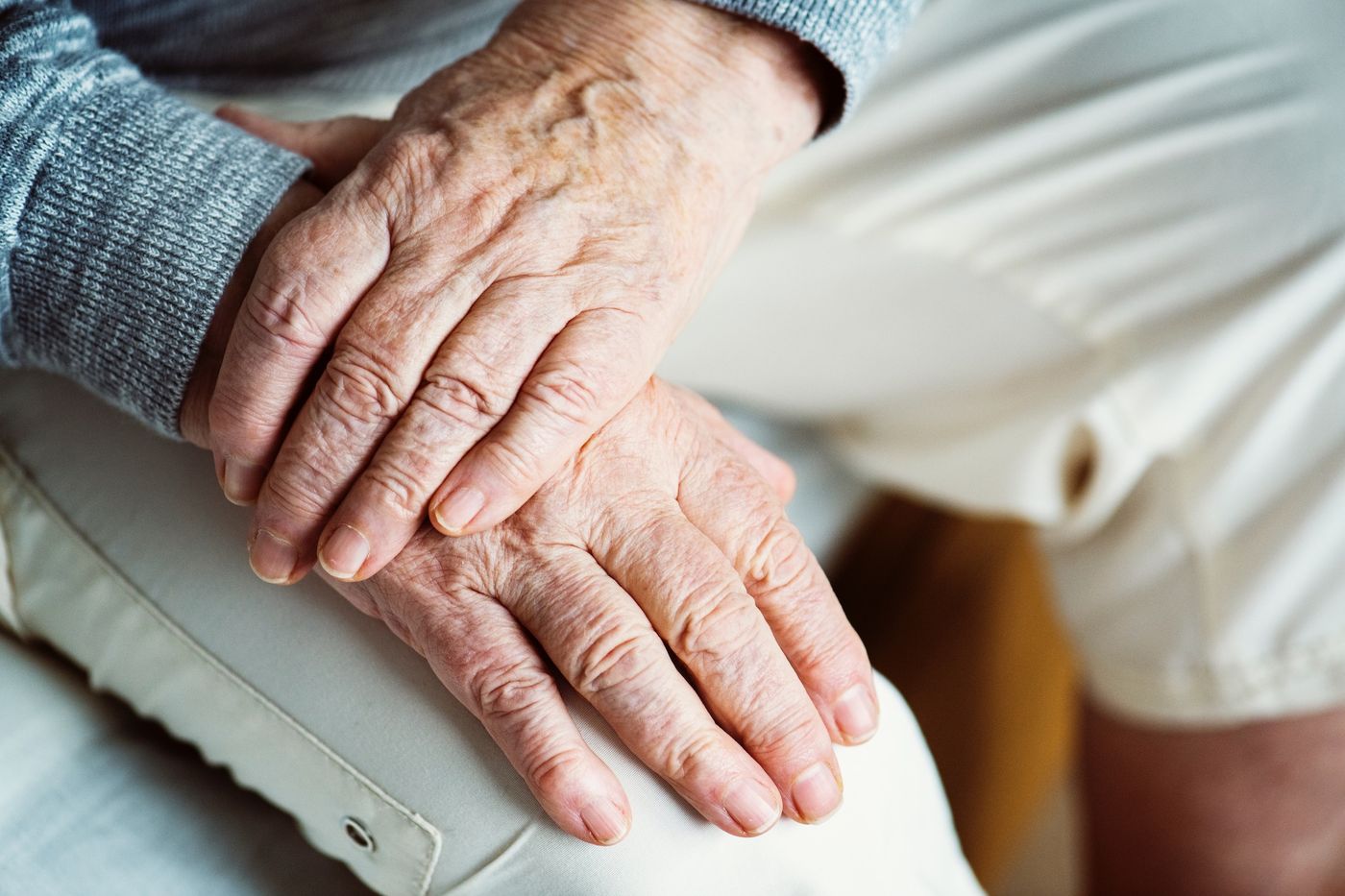
Pope St John Paul II noted in an address in 2004 that “a man, even if seriously ill or disabled in the exercise of his highest functions, is and always will be a man”. Human dignity, in other words, is permanent and it belongs to the dying and healthy alike. There is no justification for treating dying people as if they were not quite human or to end their lives prematurely out of a distorted sense of mercy.

Instead, accompanying the dying must take an holistic approach, respecting the totality of the human person ­– mind, body and soul. As the person deteriorates it is the care of the eternal soul that draws more clearly into focus, and the love of God might be revealed more deeply in friendship, compassion, reconciliation and merciful forgiveness of sins. It can be a time of spiritual healing, of returning to God and hope for salvation.
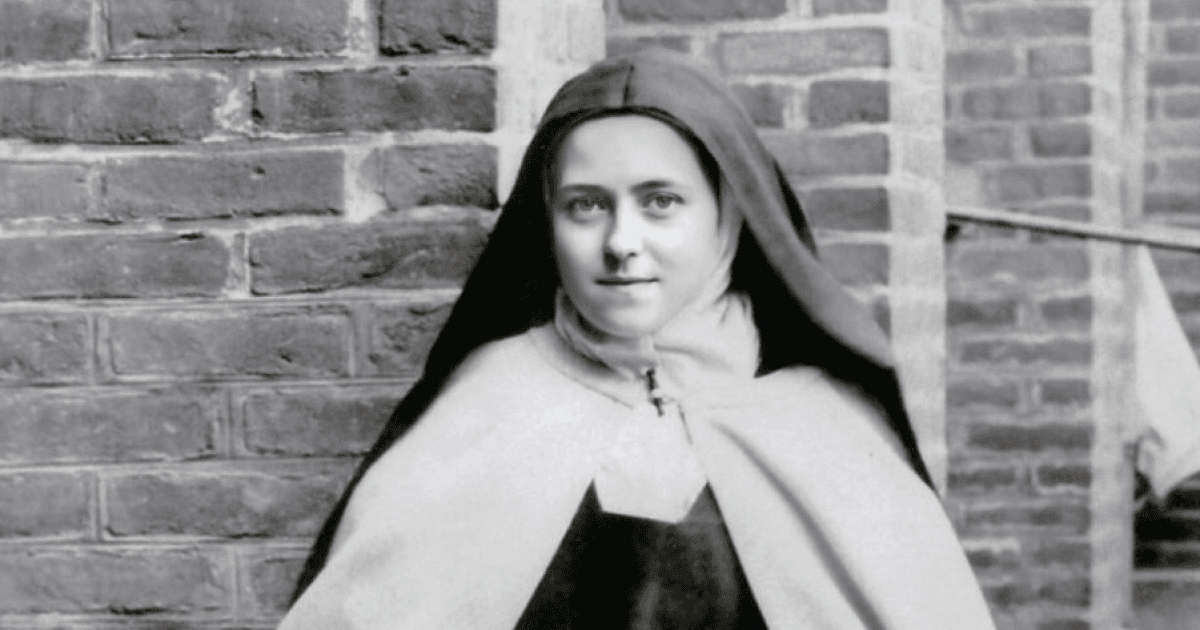
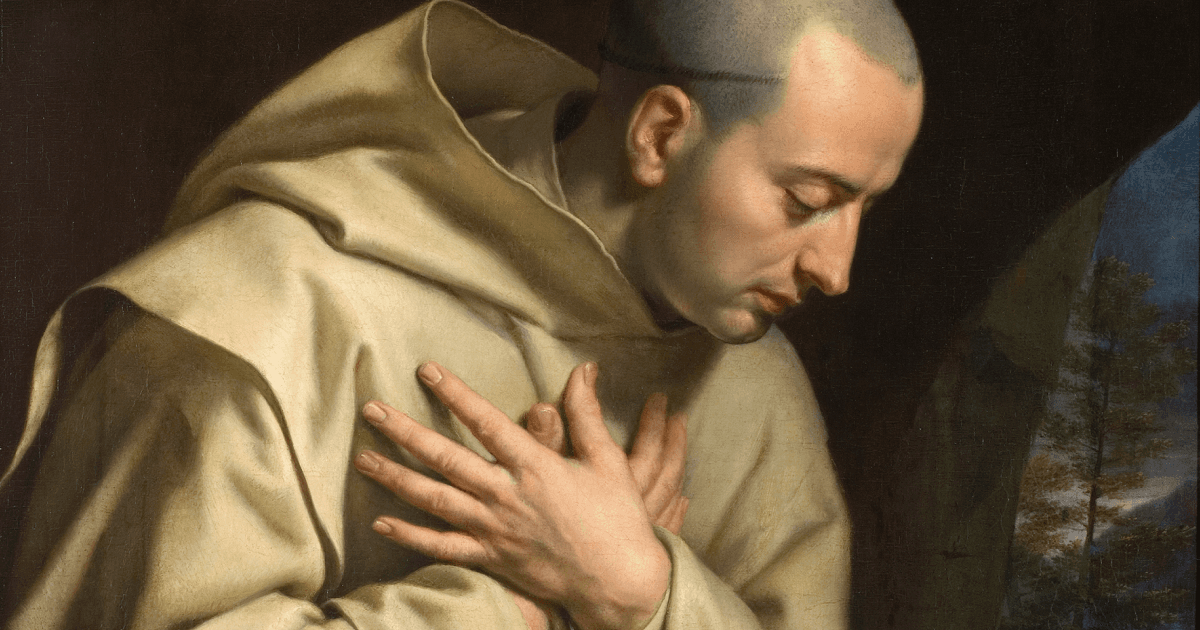
The dying should receive the Sacrament of the Sick from a priest and continuous prayer is also advisable, perhaps through the Chaplet of Divine Mercy and the rosary. As the Hail Mary reminds us, the two most important moments in our lives are “now and the hour of our death”.

Pope St John Paul II noted in an address in 2004 that “a man, even if seriously ill or disabled in the exercise of his highest functions, is and always will be a man”. Human dignity, in other words, is permanent and it belongs to the dying and healthy alike. There is no justification for treating dying people as if they were not quite human or to end their lives prematurely out of a distorted sense of mercy.

Instead, accompanying the dying must take an holistic approach, respecting the totality of the human person ­– mind, body and soul. As the person deteriorates it is the care of the eternal soul that draws more clearly into focus, and the love of God might be revealed more deeply in friendship, compassion, reconciliation and merciful forgiveness of sins. It can be a time of spiritual healing, of returning to God and hope for salvation.
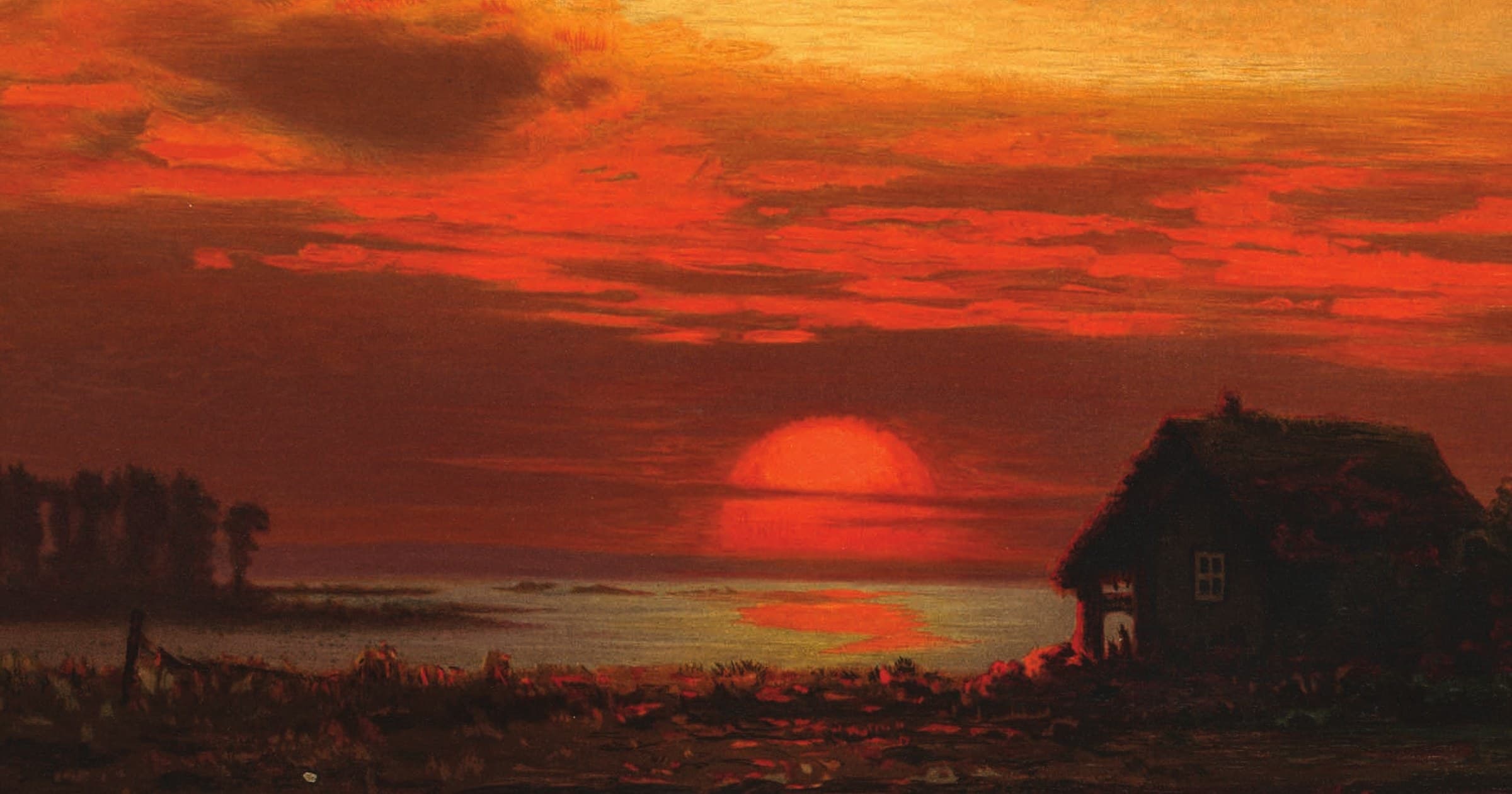
The dying should receive the Sacrament of the Sick from a priest and continuous prayer is also advisable, perhaps through the Chaplet of Divine Mercy and the rosary. As the Hail Mary reminds us, the two most important moments in our lives are “now and the hour of our death”.

subscribe to
the catholic herald

Continue reading your article with a subscription.
Read 5 articles with our free plan.
Subscribe

subscribe to the catholic herald today

Our best content is exclusively available to our subscribers. Subscribe today and gain instant access to expert analysis, in-depth articles, and thought-provoking insights—anytime, anywhere. Don’t miss out on the conversations that matter most.
Subscribe