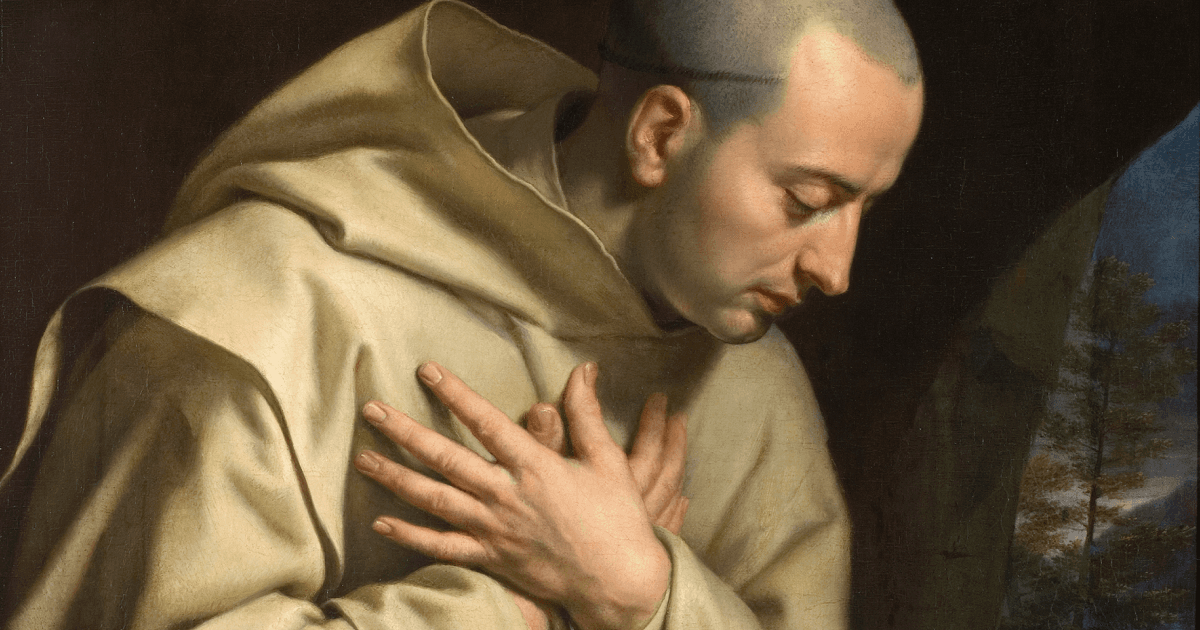
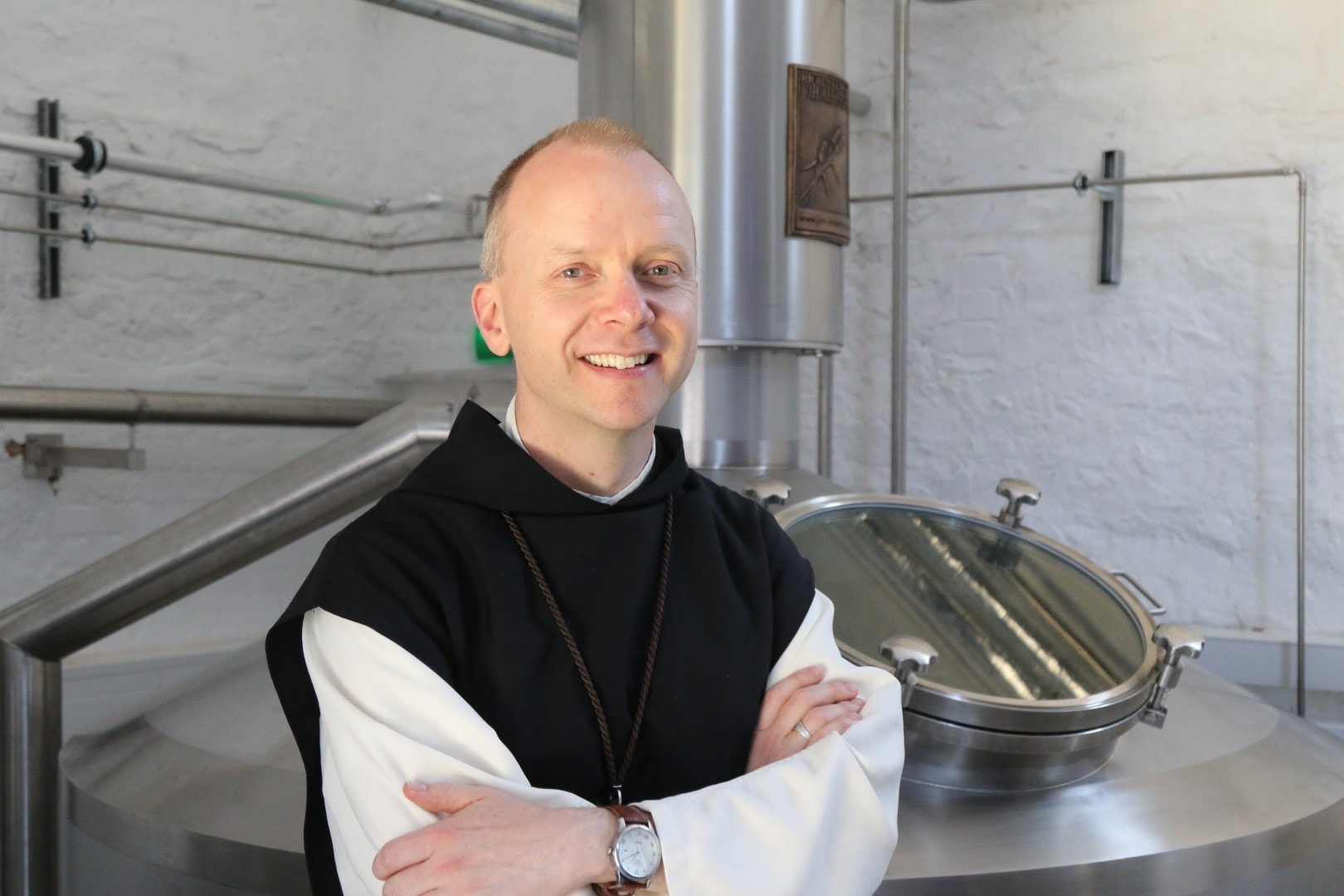


Sir Alec Guinness reminisced in his memoirs about a visit he made to Mount St Bernard Abbey in 1957, a year after his conversion to the Catholic faith. Entering Augustus Pugin’s “austere white chapel”, he recalled that as “the sun, a fiery red ball, was rising over the distant farmland; at each of the dozen or so side-altars a monk, finely vested but wearing heavy farmers’ boots to which cow dung still adhered, was saying his private Mass”.
It is a scene perhaps redolent of Merrie England before the Reformation, and it also suggests the notion of time and eternity intertwining romantically in so sacred a place.