March 17, 2026

Inside Pope Leo XIV’s household

The Catholic Herald
More
Related
Min read
share

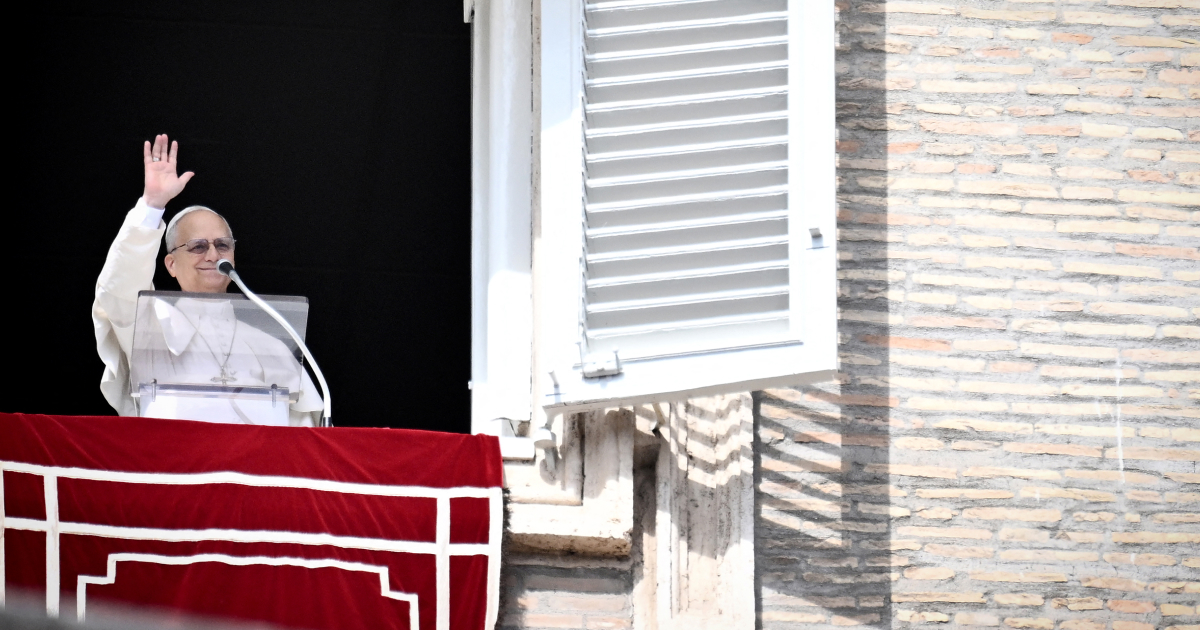
The Vatican has confirmed that Pope Leo XIV has moved into the papal apartment in the Apostolic Palace.

Matteo Bruni, director of the Holy See Press Office, announced that the Pope will take possession of the apartment on March 14, returning the papal household to the rooms that served as the centre of governance for generations of pontiffs. The move will also reveal the small circle of clerics who live and work most closely with the new Pope.

Vatican media report that Leo XIV will be accompanied by two private secretaries: Mgr Edgard Iván Rimaycuna Inga, a Peruvian priest who has worked alongside the Pope since his time in Peru, and Fr Marco Billeri, an Italian canon lawyer who was appointed as a second secretary last year.

Mgr Rimaycuna, born in 1989 in Chiclayo in northern Peru, first encountered the future Pope in 2006 during a visit to Rome while studying for the priesthood.

After completing his studies in philosophy and theology at the Santo Toribio de Mogrovejo seminary in Chiclayo, Mgr Rimaycuna was ordained and began parish ministry in the diocese. When Prevost was appointed Bishop of Chiclayo in 2015, the young priest was brought closer into his orbit, serving at the diocesan cathedral.

Mgr Rimaycuna later travelled to Rome to study Scripture at the Pontifical Biblical Institute, earning a licentiate before returning to pastoral work in Italy. By 2024 he had become the then Cardinal Prevost’s personal secretary at the Dicastery for Bishops, a position that placed him at the centre of one of the most influential departments of the Roman Curia.

After Cardinal Prevost’s election as Pope in May 2025, Mgr Rimaycuna was formally named papal private secretary within days. In December that year he was made a Chaplain of His Holiness.

The Pope’s secretaries control access to the Pope, manage his correspondence and appointments, and often become key interpreters of the Pontiff’s intentions within the Curia.

The second secretary, Fr Marco Billeri, comes from the Italian diocese of San Miniato and brings a different background to the papal household. Ordained in 2016, he pursued advanced studies in canon law in Rome and later served in several judicial roles in the Tuscan dioceses, including defender of the bond in marriage cases and judge at the regional ecclesiastical tribunal.

Before being called to Rome he was associate pastor of the parish of Ss Stephen and Martin in San Miniato Basso. His bishop described the papal appointment as “a great gift” for the diocese and said the Pope had personally telephoned to request permission for the priest to take up the role.

Another figure associated with the household is Fr Edward Daniang Daleng, a Nigerian Augustinian who has served since November 2025 as vice-regent of the Prefecture of the Papal Household. Ordained in 2005 and holding a doctorate in moral theology from the Pontifical Alphonsian Academy, Daleng previously worked within the leadership of the Augustinian Order, including as Procurator General responsible for relations with the Holy See.

The small group of close collaborators and priests, one of whom is an Augustianian, reflect a style of community living which Pope Leo will be familiar with as a friar himself. During his studies in Rome, as a missionary in Peru and as a prior provincial and prior general of the Augustians, he would have lived amongst other friars. As Bishop of Chiclayo he was known to live with members of Opus Dei who had established a presence within the diocese. 

The move into the Apostolic Palace has required extensive restoration work. When Leo XIV first inspected the apartment shortly after the conclave that elected him last year, the rooms reportedly showed signs of neglect after more than a decade without regular occupation.

Leaks, damp patches and outdated electrical systems were among the problems identified. Roof waterproofing was undertaken, while Renaissance stone cornices on the exterior required consolidation after concerns that fragments might fall into the courtyards below.

Protective nets had already been installed during earlier maintenance works to guard against falling stone. The renovation therefore involved both structural repairs and the careful conservation of a historic building that forms part of the Vatican’s architectural heritage.

The work was overseen by the Governorate of Vatican City State under Sister Raffaella Petrini, who personally followed aspects of the restoration process. Workers were frequently seen entering the third loggia of the Apostolic Palace, where the papal apartment is located, as scaffolding surrounded parts of the structure overlooking the Belvedere courtyard.

Upstairs, the renovation has created private living quarters including bedrooms, service rooms and a small chapel. A modest exercise area has also reportedly been installed, reflecting the Pope’s long-standing habit of regular physical training before his election.

When Francis was elected in 2013 he declined to live in the papal apartment and instead chose the Casa Santa Marta guesthouse inside the Vatican walls. The move was widely interpreted as a gesture of personal austerity and simplicity.

Pope Leo appears to have concluded that restoring the Apostolic Palace as the principal papal residence better reflects the institutional nature of the office. By returning to the historic apartment, the Pope is re-establishing a visible centre of governance that has been a long standing tradition, with Popes living in these rooms in the Third Loggia since Pope Saint Pius X.
The Vatican has confirmed that Pope Leo XIV has moved into the papal apartment in the Apostolic Palace.

Matteo Bruni, director of the Holy See Press Office, announced that the Pope will take possession of the apartment on March 14, returning the papal household to the rooms that served as the centre of governance for generations of pontiffs. The move will also reveal the small circle of clerics who live and work most closely with the new Pope.

Vatican media report that Leo XIV will be accompanied by two private secretaries: Mgr Edgard Iván Rimaycuna Inga, a Peruvian priest who has worked alongside the Pope since his time in Peru, and Fr Marco Billeri, an Italian canon lawyer who was appointed as a second secretary last year.

Mgr Rimaycuna, born in 1989 in Chiclayo in northern Peru, first encountered the future Pope in 2006 during a visit to Rome while studying for the priesthood.

After completing his studies in philosophy and theology at the Santo Toribio de Mogrovejo seminary in Chiclayo, Mgr Rimaycuna was ordained and began parish ministry in the diocese. When Prevost was appointed Bishop of Chiclayo in 2015, the young priest was brought closer into his orbit, serving at the diocesan cathedral.

Mgr Rimaycuna later travelled to Rome to study Scripture at the Pontifical Biblical Institute, earning a licentiate before returning to pastoral work in Italy. By 2024 he had become the then Cardinal Prevost’s personal secretary at the Dicastery for Bishops, a position that placed him at the centre of one of the most influential departments of the Roman Curia.

After Cardinal Prevost’s election as Pope in May 2025, Mgr Rimaycuna was formally named papal private secretary within days. In December that year he was made a Chaplain of His Holiness.

The Pope’s secretaries control access to the Pope, manage his correspondence and appointments, and often become key interpreters of the Pontiff’s intentions within the Curia.

The second secretary, Fr Marco Billeri, comes from the Italian diocese of San Miniato and brings a different background to the papal household. Ordained in 2016, he pursued advanced studies in canon law in Rome and later served in several judicial roles in the Tuscan dioceses, including defender of the bond in marriage cases and judge at the regional ecclesiastical tribunal.

Before being called to Rome he was associate pastor of the parish of Ss Stephen and Martin in San Miniato Basso. His bishop described the papal appointment as “a great gift” for the diocese and said the Pope had personally telephoned to request permission for the priest to take up the role.

Another figure associated with the household is Fr Edward Daniang Daleng, a Nigerian Augustinian who has served since November 2025 as vice-regent of the Prefecture of the Papal Household. Ordained in 2005 and holding a doctorate in moral theology from the Pontifical Alphonsian Academy, Daleng previously worked within the leadership of the Augustinian Order, including as Procurator General responsible for relations with the Holy See.

The small group of close collaborators and priests, one of whom is an Augustianian, reflect a style of community living which Pope Leo will be familiar with as a friar himself. During his studies in Rome, as a missionary in Peru and as a prior provincial and prior general of the Augustians, he would have lived amongst other friars. As Bishop of Chiclayo he was known to live with members of Opus Dei who had established a presence within the diocese. 

The move into the Apostolic Palace has required extensive restoration work. When Leo XIV first inspected the apartment shortly after the conclave that elected him last year, the rooms reportedly showed signs of neglect after more than a decade without regular occupation.

Leaks, damp patches and outdated electrical systems were among the problems identified. Roof waterproofing was undertaken, while Renaissance stone cornices on the exterior required consolidation after concerns that fragments might fall into the courtyards below.

Protective nets had already been installed during earlier maintenance works to guard against falling stone. The renovation therefore involved both structural repairs and the careful conservation of a historic building that forms part of the Vatican’s architectural heritage.

The work was overseen by the Governorate of Vatican City State under Sister Raffaella Petrini, who personally followed aspects of the restoration process. Workers were frequently seen entering the third loggia of the Apostolic Palace, where the papal apartment is located, as scaffolding surrounded parts of the structure overlooking the Belvedere courtyard.

Upstairs, the renovation has created private living quarters including bedrooms, service rooms and a small chapel. A modest exercise area has also reportedly been installed, reflecting the Pope’s long-standing habit of regular physical training before his election.

When Francis was elected in 2013 he declined to live in the papal apartment and instead chose the Casa Santa Marta guesthouse inside the Vatican walls. The move was widely interpreted as a gesture of personal austerity and simplicity.

Pope Leo appears to have concluded that restoring the Apostolic Palace as the principal papal residence better reflects the institutional nature of the office. By returning to the historic apartment, the Pope is re-establishing a visible centre of governance that has been a long standing tradition, with Popes living in these rooms in the Third Loggia since Pope Saint Pius X.
subscribe to
the catholic herald

Continue reading your article with a subscription.
Read 5 articles with our free plan.
Subscribe

subscribe to the catholic herald today

Our best content is exclusively available to our subscribers. Subscribe today and gain instant access to expert analysis, in-depth articles, and thought-provoking insights—anytime, anywhere. Don’t miss out on the conversations that matter most.
Subscribe