


January 25, 2026
January 25, 2026

Jerusalem church leaders reject Christian Zionism

Min read
share

A joint statement by the Patriarchs and Heads of Churches in Jerusalem has stirred considerable controversy, after the group issued a strong warning against what they describe as the “heretical” theology of Christian Zionism. The statement, released earlier this month, has prompted both support and criticism, particularly among Evangelical groups with longstanding ties to the region.

In the carefully worded document, the church leaders express alarm over the influence of Christian Zionist movements, which they claim have increasingly sought to shape the political and religious landscape of the Holy Land. “Our faith is not aligned with any political ideology,” the statement reads, insisting that “any theology which denies the universal message of the Gospel in favour of political or nationalistic ends must be rejected.”

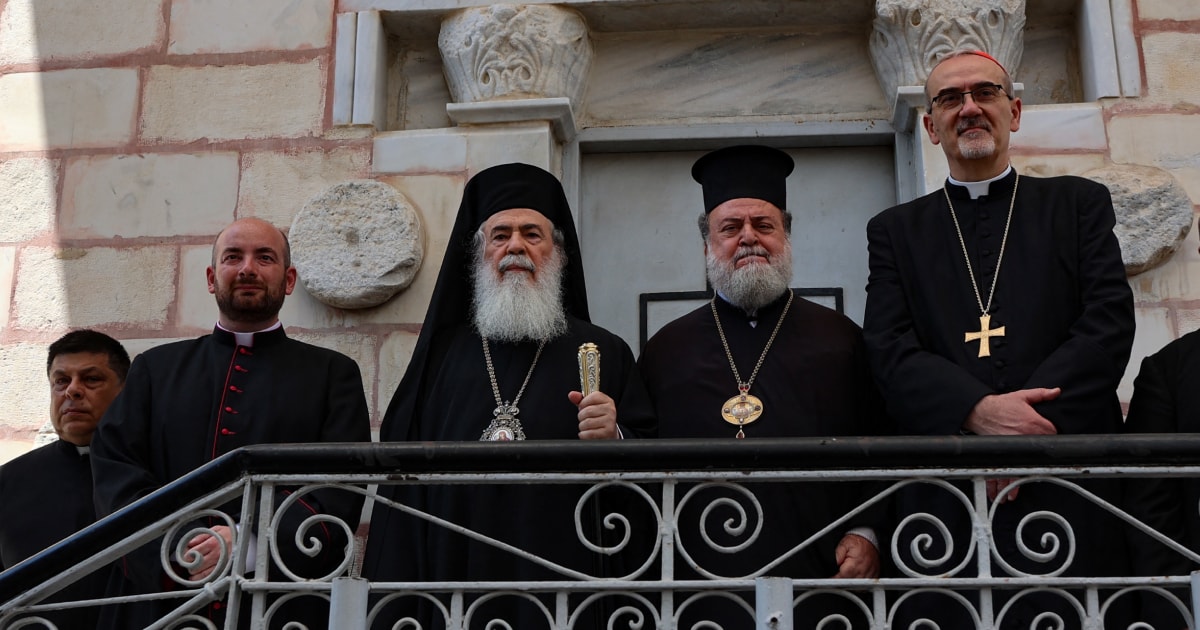
The statement is especially notable given the diversity of its signatories, who include Catholic, Orthodox, and Protestant leaders in the region. Among them is Cardinal Pierbattista Pizzaballa, Latin Patriarch of Jerusalem, whose role as a Catholic voice in the Holy Land carries particular weight. The leaders assert that Christian Zionism, while often claiming to support the state of Israel, promotes a reading of Scripture that “sacralises conflict” and undermines efforts toward peace and reconciliation.

Christian Zionism, broadly speaking, is a theological position—particularly popular among some Evangelical Protestants—that views the modern state of Israel as a direct fulfilment of biblical prophecy and a necessary step toward the Second Coming. The Jerusalem statement expresses concern that this worldview not only distorts Christian teaching but also contributes to the marginalisation of Palestinian Christians and fuels ongoing tensions in the region.

“Support for peace cannot be built on a theological framework that privileges one people over another,” the statement warns, adding that “the Church cannot be silent when the Gospel is used to justify political injustice.”

Predictably, the document has drawn sharp responses from supporters of Christian Zionism, many of whom have long provided financial and political backing for both Jewish and Christian communities in Israel. Some critics accused the church leaders of taking a partisan position or ignoring the threats faced by Israeli citizens. Others, however, welcomed the statement as a needed clarification of the Christian mission in the region.

The controversy comes at a time of heightened tension in the Holy Land, with violence and political instability once again dominating headlines. For Christians in the region—whose numbers continue to dwindle—the need for clear theological and moral leadership is especially urgent.

The Jerusalem church leaders appealed to Christians worldwide to reject any ideology that seeks to “manipulate Scripture in the service of worldly power.” Instead, they urged believers to recommit themselves to the peace of Christ, a peace not imposed by force but lived in witness, charity and truth.

A joint statement by the Patriarchs and Heads of Churches in Jerusalem has stirred considerable controversy, after the group issued a strong warning against what they describe as the “heretical” theology of Christian Zionism. The statement, released earlier this month, has prompted both support and criticism, particularly among Evangelical groups with longstanding ties to the region.

In the carefully worded document, the church leaders express alarm over the influence of Christian Zionist movements, which they claim have increasingly sought to shape the political and religious landscape of the Holy Land. “Our faith is not aligned with any political ideology,” the statement reads, insisting that “any theology which denies the universal message of the Gospel in favour of political or nationalistic ends must be rejected.”

The statement is especially notable given the diversity of its signatories, who include Catholic, Orthodox, and Protestant leaders in the region. Among them is Cardinal Pierbattista Pizzaballa, Latin Patriarch of Jerusalem, whose role as a Catholic voice in the Holy Land carries particular weight. The leaders assert that Christian Zionism, while often claiming to support the state of Israel, promotes a reading of Scripture that “sacralises conflict” and undermines efforts toward peace and reconciliation.

Christian Zionism, broadly speaking, is a theological position—particularly popular among some Evangelical Protestants—that views the modern state of Israel as a direct fulfilment of biblical prophecy and a necessary step toward the Second Coming. The Jerusalem statement expresses concern that this worldview not only distorts Christian teaching but also contributes to the marginalisation of Palestinian Christians and fuels ongoing tensions in the region.

“Support for peace cannot be built on a theological framework that privileges one people over another,” the statement warns, adding that “the Church cannot be silent when the Gospel is used to justify political injustice.”

Predictably, the document has drawn sharp responses from supporters of Christian Zionism, many of whom have long provided financial and political backing for both Jewish and Christian communities in Israel. Some critics accused the church leaders of taking a partisan position or ignoring the threats faced by Israeli citizens. Others, however, welcomed the statement as a needed clarification of the Christian mission in the region.

The controversy comes at a time of heightened tension in the Holy Land, with violence and political instability once again dominating headlines. For Christians in the region—whose numbers continue to dwindle—the need for clear theological and moral leadership is especially urgent.

The Jerusalem church leaders appealed to Christians worldwide to reject any ideology that seeks to “manipulate Scripture in the service of worldly power.” Instead, they urged believers to recommit themselves to the peace of Christ, a peace not imposed by force but lived in witness, charity and truth.

subscribe to
the catholic herald

Continue reading your article with a subscription.
Read 5 articles with our free plan.
Subscribe
share

subscribe to the catholic herald today

Our best content is exclusively available to our subscribers. Subscribe today and gain instant access to expert analysis, in-depth articles, and thought-provoking insights—anytime, anywhere. Don’t miss out on the conversations that matter most.
Subscribe