February 12, 2026

Lectio Divina

Mgr Anthony Abela
More
No items found.
Related
Min read
share

Luke 17:11-19

11 As Jesus made his way to Jerusalem, he went along the border between Samaria and Galilee.
12 He was going into a village when he was met by 10 men suffering from a dreaded skin disease. They stood at a distance
13 and shouted, “Jesus! Master! Take pity on us!”
14 Jesus saw them and said to them,
“Go and let the priests examine you.”
15 When one of them saw that he was healed, he came back, praising God in a loud voice.
16 He threw himself to the ground at Jesus’s feet and thanked him. The man was a Samaritan.
17 Jesus said, “There were 10 men who were healed; where are the other nine?
18 Why is this foreigner the only one who came back to give thanks to God?”
19 And Jesus said to him, “Get up and go; your faith has made you well.”

Other readings: 2 Kings 5:14-17; Psalm 98:1-4; 2 Timothy 2:8-13
LECTIO

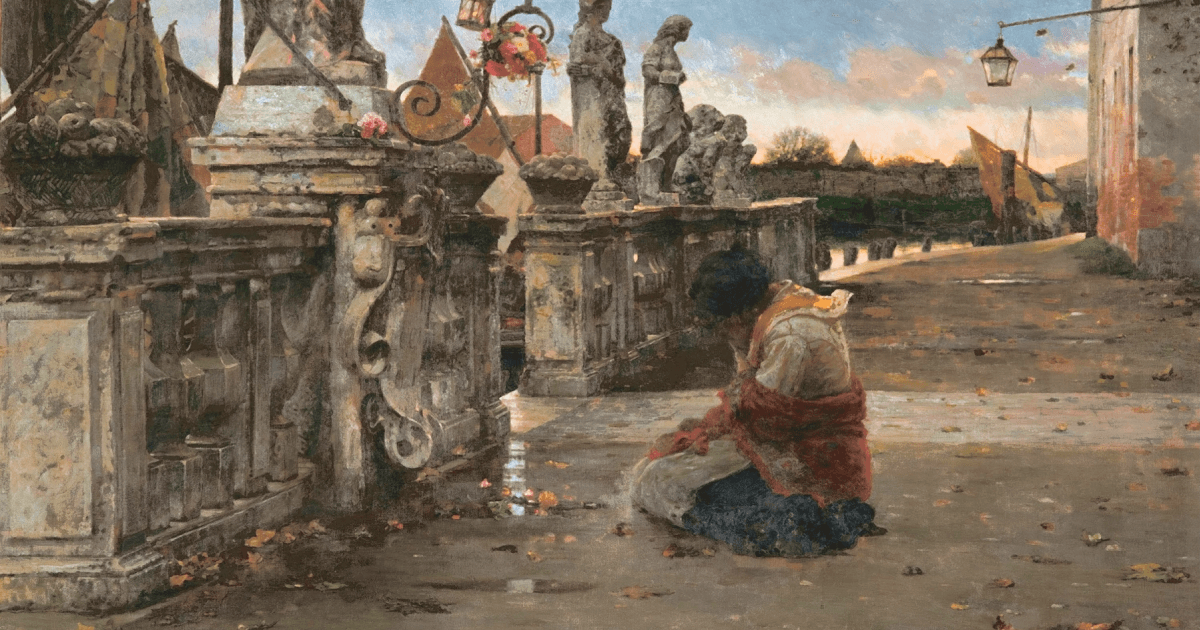
In today’s Gospel reading Jesus gives us an important lesson in being thankful for God’s blessings. Jesus is on his way to Jerusalem to face his Crucifixion and Resurrection. Standing at a distance on the outskirts of a village, 10 men with a dreaded skin disease cry out to him: “Jesus! Master! Take pity on us!” (verse 13).

The plight of people suffering from leprosy and other skin diseases in Jesus’s day was very harsh indeed. They were forced to leave their family and and live in exile away from the rest of the community. They had to fend for themselves alongside others in the same condition.

They were cut off from the religious life of the community and considered “spiritually unclean”. Some even believed that their disease was a punishment from God. Their situation was miserable, their prospects bleak and there was little hope. The only way back to a normal life was if the skin disease cleared up and the priests certified it.

No wonder these men cried to Jesus for help. Jesus simply tells them to let the priests examine them. They all obey Jesus’s instructions and on the way to the priests the miracle takes place. All 10 are healed.

As soon as one of the group discovers he has been healed, he rushes back to thank Jesus and give praise to God. Did he talk to the other nine before returning? We are not told. But we are told that this man was a Samaritan.

The other nine were presumably all Jewish. Jesus was a Jewish teacher. The Jews looked down on the Samaritans and regarded them as heretics. The very person they would have least expected to show his gratitude is, in fact, the only one who gives thanks to God.

Jesus’s final words to the Samaritan are significant. The word translated “Get up” has several meanings. Early Christians would have understood a reference to resurrection or new life. Ten lepers were healed, but only the Samaritan is told his faith has made him well. Perhaps Jesus is referring to spiritual as well as physical healing.

MEDITATIO

How does this passage speak to you? Why do you think the nine that were also healed didn’t return to thank Jesus? Have you ever received an answer to prayer but forgot to thank God before doing anything else?

How can we avoid taking God’s blessings for granted? Is there a danger that we can sometimes feel we “deserve” God’s blessing because of something we have done?

ORATIO

Think about all the ways God has been good to you. Write them down and read your list through each day this week. Respond to God with thanks and praise. The Holy Spirit may well remind you of more things as the week progresses. Ask God to help you always to be grateful for all he has done in your life. Choose a Psalm each day this week to help you express your praise to God.

CONTEMPLATIO

Consider these verses from Philippians 4:4, 6-7: “May you always be joyful in your union with the Lord. I say it again: rejoice! Don’t worry about anything, but in all your prayers ask God for what you need, always asking him with a thankful heart. And God’s peace, which is far beyond human understanding, will keep your hearts and minds safe in union with Christ Jesus.”

Luke 17:11-19

11 As Jesus made his way to Jerusalem, he went along the border between Samaria and Galilee.
12 He was going into a village when he was met by 10 men suffering from a dreaded skin disease. They stood at a distance
13 and shouted, “Jesus! Master! Take pity on us!”
14 Jesus saw them and said to them,
“Go and let the priests examine you.”
15 When one of them saw that he was healed, he came back, praising God in a loud voice.
16 He threw himself to the ground at Jesus’s feet and thanked him. The man was a Samaritan.
17 Jesus said, “There were 10 men who were healed; where are the other nine?
18 Why is this foreigner the only one who came back to give thanks to God?”
19 And Jesus said to him, “Get up and go; your faith has made you well.”

Other readings: 2 Kings 5:14-17; Psalm 98:1-4; 2 Timothy 2:8-13
LECTIO

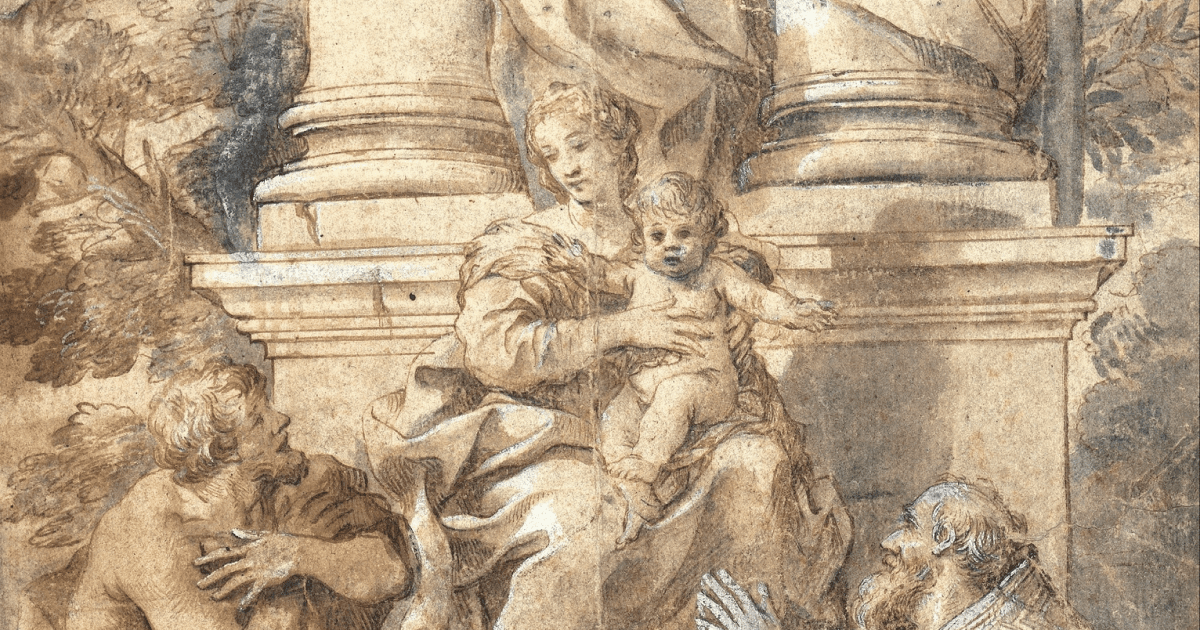
In today’s Gospel reading Jesus gives us an important lesson in being thankful for God’s blessings. Jesus is on his way to Jerusalem to face his Crucifixion and Resurrection. Standing at a distance on the outskirts of a village, 10 men with a dreaded skin disease cry out to him: “Jesus! Master! Take pity on us!” (verse 13).

The plight of people suffering from leprosy and other skin diseases in Jesus’s day was very harsh indeed. They were forced to leave their family and and live in exile away from the rest of the community. They had to fend for themselves alongside others in the same condition.

They were cut off from the religious life of the community and considered “spiritually unclean”. Some even believed that their disease was a punishment from God. Their situation was miserable, their prospects bleak and there was little hope. The only way back to a normal life was if the skin disease cleared up and the priests certified it.

No wonder these men cried to Jesus for help. Jesus simply tells them to let the priests examine them. They all obey Jesus’s instructions and on the way to the priests the miracle takes place. All 10 are healed.

As soon as one of the group discovers he has been healed, he rushes back to thank Jesus and give praise to God. Did he talk to the other nine before returning? We are not told. But we are told that this man was a Samaritan.

The other nine were presumably all Jewish. Jesus was a Jewish teacher. The Jews looked down on the Samaritans and regarded them as heretics. The very person they would have least expected to show his gratitude is, in fact, the only one who gives thanks to God.

Jesus’s final words to the Samaritan are significant. The word translated “Get up” has several meanings. Early Christians would have understood a reference to resurrection or new life. Ten lepers were healed, but only the Samaritan is told his faith has made him well. Perhaps Jesus is referring to spiritual as well as physical healing.

MEDITATIO

How does this passage speak to you? Why do you think the nine that were also healed didn’t return to thank Jesus? Have you ever received an answer to prayer but forgot to thank God before doing anything else?

How can we avoid taking God’s blessings for granted? Is there a danger that we can sometimes feel we “deserve” God’s blessing because of something we have done?

ORATIO

Think about all the ways God has been good to you. Write them down and read your list through each day this week. Respond to God with thanks and praise. The Holy Spirit may well remind you of more things as the week progresses. Ask God to help you always to be grateful for all he has done in your life. Choose a Psalm each day this week to help you express your praise to God.

CONTEMPLATIO

Consider these verses from Philippians 4:4, 6-7: “May you always be joyful in your union with the Lord. I say it again: rejoice! Don’t worry about anything, but in all your prayers ask God for what you need, always asking him with a thankful heart. And God’s peace, which is far beyond human understanding, will keep your hearts and minds safe in union with Christ Jesus.”

subscribe to
the catholic herald

Continue reading your article with a subscription.
Read 5 articles with our free plan.
Subscribe

subscribe to the catholic herald today

Our best content is exclusively available to our subscribers. Subscribe today and gain instant access to expert analysis, in-depth articles, and thought-provoking insights—anytime, anywhere. Don’t miss out on the conversations that matter most.
Subscribe