
May 24, 2026

Leo’s first year: through the eyes of the cardinals

Michael Haynes
More
Related
Min read
share

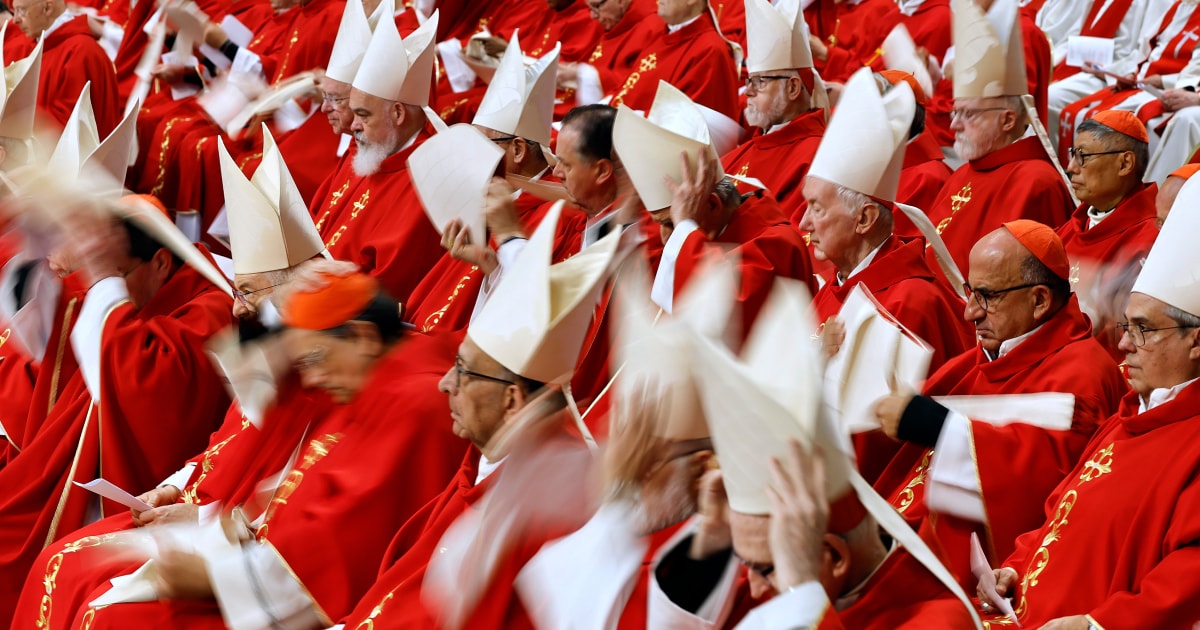
Two days after Cardinal Robert Prevost accepted the vote of his brothers in the College of Cardinals to become Pope, the newly minted Leo XIV outlined the priorities of his papacy. As of May 8, 2026, the cardinals and the Church at large are provided with the opportunity to assess Leo’s first year on the papal throne and examine how he has exercised his office.

In some quarters, a lively debate over Leo’s character still rages with as much intensity as it did during the first hours after he waved to the cheering crowds from the Loggia on the evening of his election. Many have seen their wildly varying predictions remain unfulfilled; others are still waiting for him to reveal himself, while a smaller number have determined that the man we see already is the real Leo.
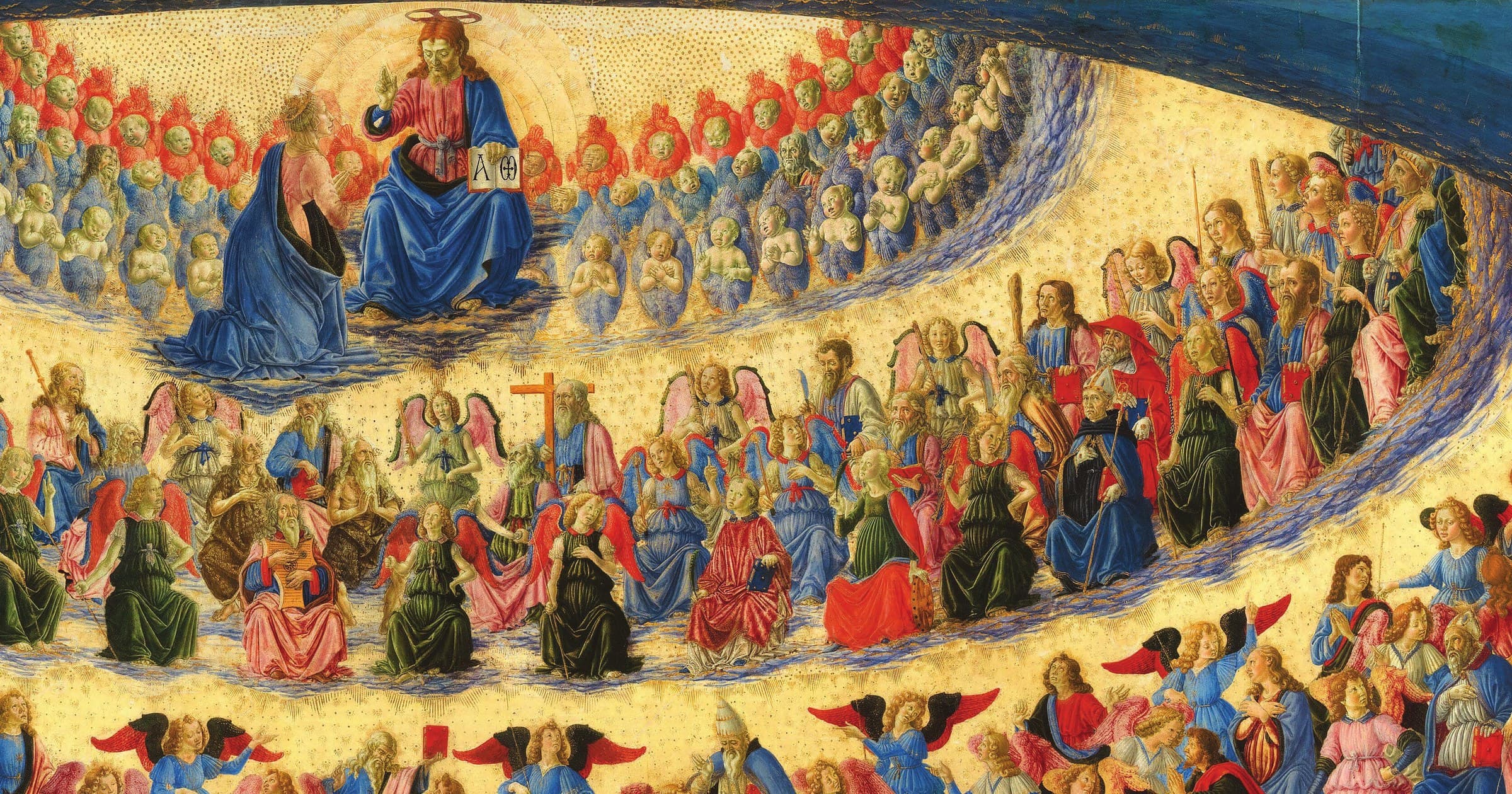
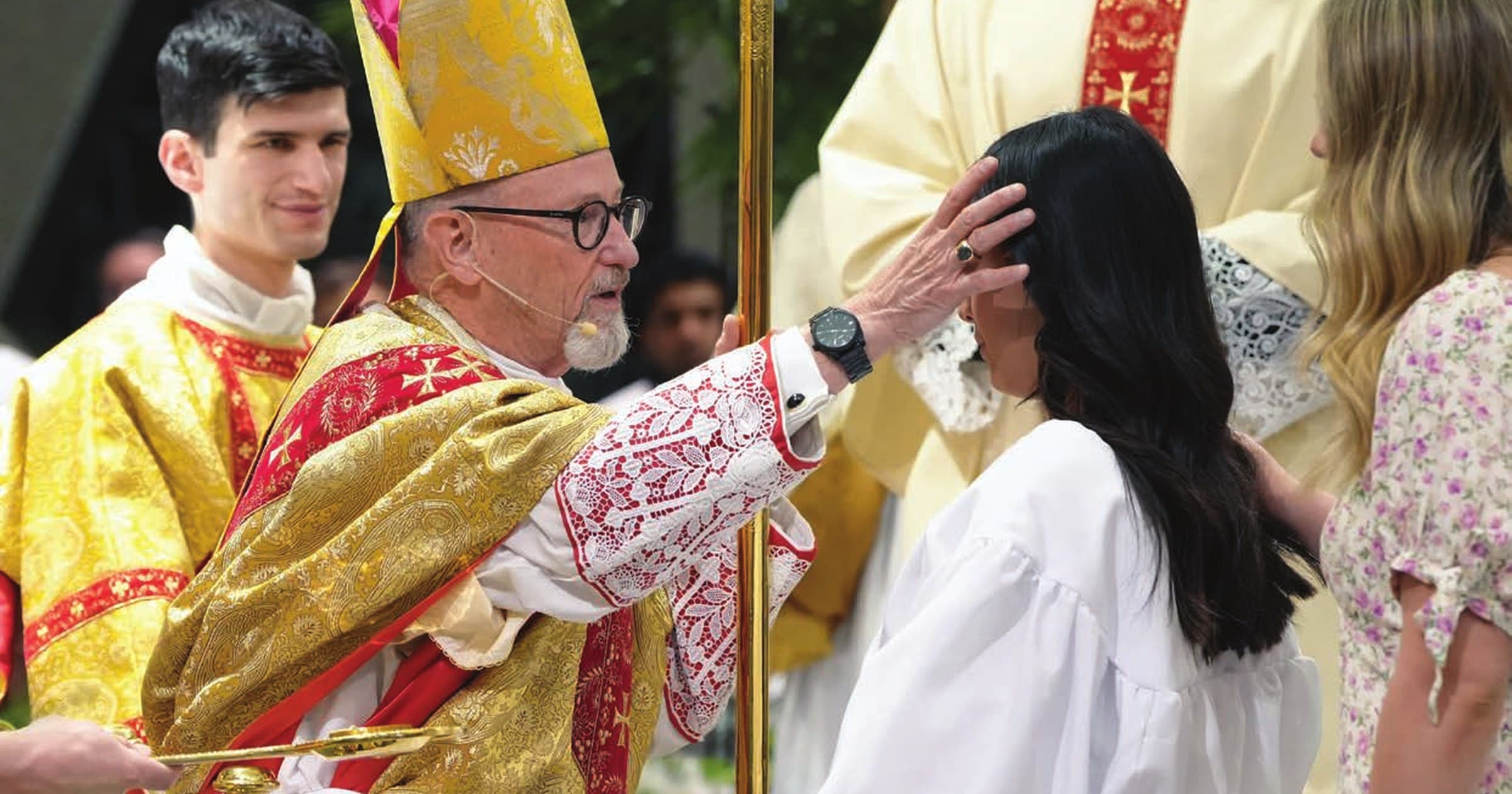
Emerging from the conclave last year, the cardinals spoke of a man who listened well and deftly handled debates in a manner that somehow satisfied both parties. Despite the numerous crises of doctrine, liturgy, government and simple practice of the Faith, Leo has not jumped headlong into any particular one, nor set about clearing house and reinventing the wheel.

Whether Leo can deliver on the cardinals’ hope of peacefully satisfying quarrelling parties remains to be seen in terms of how he addresses the key issues he inherited from Francis, such as the doctrinal crises of Amoris Laetitia and Fiducia Supplicans; ecclesial governance and the rise of synodal laity over the ordained hierarchy; liturgical peace; the future of the persecuted Church in China; and the haemorrhaging numbers of faithful in the once Catholic West.

As for the assessment of the College of Cardinals some 12 months later, it is only the cardinals themselves who can answer whether Leo is still the man anticipated when they emerged from the Sistine Chapel last year.

Speaking to this correspondent about Leo’s first anniversary, Cardinal Gerhard Müller first warned against viewing either the Church or the Pope “primarily through a political lens”, since “the Church has a supernatural origin and has received from God the mission to lead all people to eternal life through Jesus Christ”.

“God is the origin, goal, and meaning of humanity and the world,” said the former prefect of the Congregation for the Doctrine of the Faith. “That is why we are so delighted that Pope Leo XIV places Christ so convincingly and powerfully at the centre of his sermons and all his work.”

Müller – who consistently urged the College to look past personality cults in choosing a Pope – noted how “the personal successor of St Peter is, for the entire Church, the visible foundation of its unity in faith in Christ, the Son of the living God, and as the universal shepherd appointed by Christ, he is also his Vicar on earth for the Universal, that is, the Catholic Church”.

Westminster’s Cardinal Vincent Nichols echoed Cardinal Müller, as indeed he did around the time of the conclave when he cautioned many secular outlets not to necessarily expect a Francis II but rather a successor of St Peter. “I recall that in the General Congregations just over a year ago we were urged to remember that we were not, primarily, electing a successor of Pope Francis, but of Peter,” he told this correspondent. “We were quickly reminded by our new Holy Father that, in his own words, he is ‘a son of St Augustine’.”

Nichols, who stepped down from his see a few months after the conclave, recalled how Leo’s first year had indeed supported the reasons for the cardinal’s selection of him as Pope. “His calm and profoundly peaceful disposition, his attentiveness and readiness to listen, his sharp perceptiveness, his decisiveness, his wide experience of Catholic communities around the world.”

“It is clear,” he added, “that Leo speaks without fear, acts with clarity, and is firmly centred on the message of peace announced in the first words spoken by the risen Christ.”

In recent weeks Leo’s appeal for peace has indeed resonated throughout the world in light of the Iran war. This has drawn the ire of President Donald Trump, but Leo has denied accusations of partisan behaviour. Notably, during his four-nation voyage to Africa the American Pope raised his voice in a manner hitherto not seen during his pontificate, decrying the destruction in Africa wrought on innocent life, society and the attacks on the Church Herself.

In his mission of peace Leo is by no means backward, whilst when it comes to handling the various doctrinal questions of the day his style has appeared much more outwardly subdued.

But while he is less strident than some may have expected, in Cardinal William Goh’s assessment the Pope is indeed delivering on such issues. “Pope Leo continues the work of his predecessors to proclaim the Gospel to all, but he emphasises the strengthening of the Church’s mission by maintaining a steadfast commitment to orthodoxy and ecclesial unity,” Singapore’s cardinal-archbishop told me. “Hence, while deepening the Church’s reflection on Evangelium Gaudium, he frames doctrinal and ecclesial unity as key to missionary effectiveness.”

Cardinal Raphael Sako, fresh from his resignation as Patriarch of Baghdad of the Chaldeans, was one of the few cardinals who spoke to me not just about his appraisal of Leo, but also on his hopes for the future of the papacy. Sako expressed his hope for Leo to “update the liturgy and catechism with comprehensible words and gestures, because the beauty of tradition arises also from the need for renewal as a living spirit that engages our time helps people to profit from its messages”.

“Liturgy,” he added, “is a celebration of the presence of Christ and not only a rite.”

The emeritus Patriarch also highlighted the need for Leo to “remain close to Eastern Christians, since their historical presence is under threat, and to know more about Islam and Muslims”. This indeed is an element of the papacy which was revealed within its earliest days, as Leo XIV welcomed pilgrims from the Oriental Churches and praised them for the example of liturgical reverence. “We have great need to recover the sense of mystery that remains alive in your liturgies, liturgies that engage the human person in his or her entirety, that sing of the beauty of salvation and evoke a sense of wonder at how God’s majesty embraces our human frailty,” he commented.

When it comes to liturgy, Cardinal Robert Sarah is – for many Catholics – a champion of reverence and order in the sacred mysteries. The former prefect of the Vatican’s liturgical office has consistently noted his filial support of the new Pope, and though reluctant to speculate much, he opined that Leo’s early priorities appear to be “the restoration of unity in the truth, Christological refocusing, a peace rooted in the Gospel rather than in the balances of the world, and a less agitated Church by herself than turned towards God”.

For Sarah – who personally accompanied Leo throughout his recent trip to Africa – “if this pontificate helps the Church regain greater doctrinal clarity, liturgical depth, inner peace and sense of God, then it will render a great service to the faithful people”.

On those fronts, many were waiting for January’s consistory to reveal where Leo wishes to employ the help of his cardinals, but the brief meeting appeared more consultative than industrious. Many cardinals arrived at January’s consistory expressing their desire to simply listen and acquaint themselves with both the other members of the college and the consistory itself, since Pope Francis did not hold a proper consistory after 2014. Nor is it a secret that concerns from within the College have emerged about the new synodal, round-table discussion format of the meetings, which hinders traditional debate.

At the moment it appears somewhat unlikely that June’s consistory will deviate in style or results, but one thing that the cardinals have widely welcomed is the fact that they are granted this opportunity to meet in such a setting.

With the first year under his belt, and with the personnel of his household now in place, Leo will now be looked to to develop his style, so that the consultative stage is accompanied by action. One key sign of his priorities will be the choice of cardinals when he decides to give out his first red hats and call an extraordinary consistory. While the Pope has said that no date has yet been set for such an event, many observers are still anticipating that it might take place at the end of June.

But on this, like with numerous other elements of the Leonine papacy, we are yet left to wait and see.

Continue reading with a free account

Create a free account to read up to five articles each month
Create free account

You have # free articles remaining this month.

Subscribe to get unlimited access.
Sign up

subscribe to the catholic herald today

Our best content is exclusively available to our subscribers. Subscribe today and gain instant access to expert analysis, in-depth articles, and thought-provoking insights—anytime, anywhere. Don’t miss out on the conversations that matter most.
Subscribe