




February 12, 2026

‘Lion’ of US Church dies aged 88

Staff writers
More
Related
Min read
share

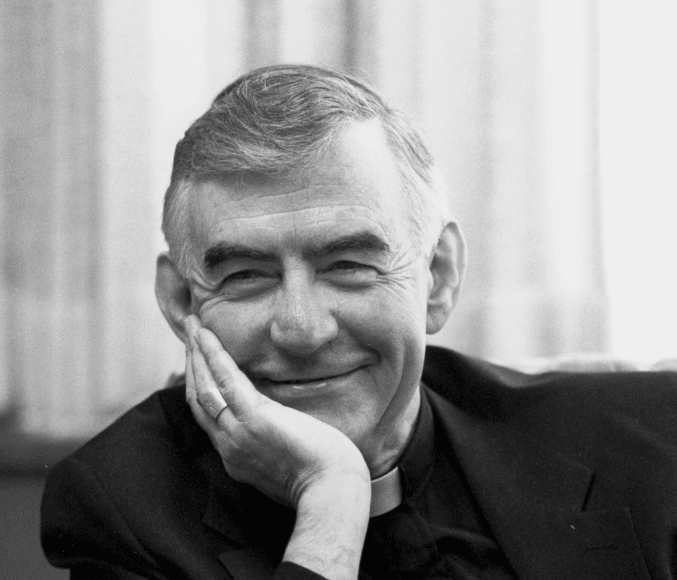
Archbishop emeritus John Quinn of San Francisco, who led the northern California archdiocese for 18 years, has died aged 88.

Church commentator Rocco Palmo hailed him as the US hierarchy’s “last progressive ‘lion’”. Archbishop Salvatore Cordileone of San Francisco said in an announcement: “Our hearts are breaking at losing such a great priest and friend. Join me in praying for the repose of his soul.”

Archbishop Quinn was the sixth Archbishop of San Francisco, serving from 1977 until 1995. He was president of what is now the US Conference of Catholic Bishops from 1977 to 1980.
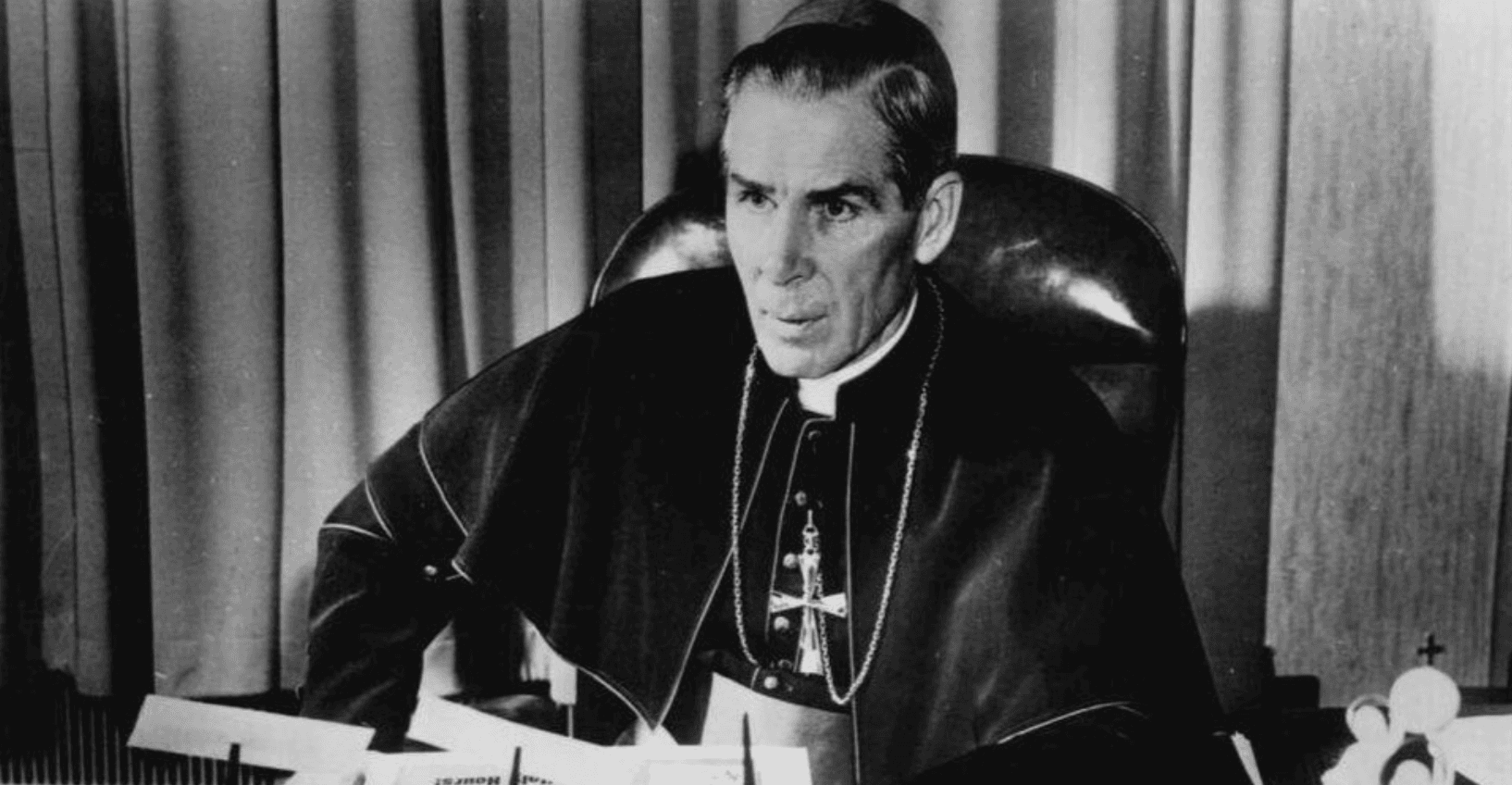
After his retirement he called for major reforms to the Curia and the College of Cardinals, arguing that current structures hindered Christian unity. Mr Palmo said that Pope Francis had “eagerly sought out the retiree as a sounding board for his own plans to enhance synodality in the Western Church”.

Born in 1929 in Riverside, California, he was ordained a priest aged 38 and became Archbishop of Oklahoma City five years later. He served in that capacity for five years, then was appointed to lead the San Francisco archdiocese.

He served there until he was 66, having asked St John Paul II to appoint a coadjutor bishop so he could retire early. “I have served as a bishop for almost 30 years,” he said.

“In these turbulent times no corporate CEO or university president remains under the pressure of office anywhere near that time.”

Archbishop Quinn, though, did something highly unusual for a bishop: for four months in 1987 and 1988, he took a sabbatical to deal with stress and received treatment at a psychiatric clinic.

After retiring he gave a lecture at Oxford University in which he called for major curial reforms, new ways of selecting bishops and a new ecumenical council.

The lecture turned into a book, The Reform of the Papacy: the Costly Call to Christian Unity, in which he said the Curia was “a serious impediment” to Christian unity. He argued that future ecumenical councils should include other Christian leaders, especially the Orthodox, as full members.

Archbishop Quinn reportedly had good relations with both St John Paul and Benedict XVI. He said Benedict XVI was a “well-poised man who knew his mind” and “took criticism well”, adding that he had a “very satisfying working relationship” with the then Cardinal Joseph Ratzinger in the 1980s.


Pope gives South Sudan almost half a million dollars

Pope Francis has sent close to half a million dollars (£400,000) to South Sudan to help fund hospitals, the training of teachers and farming after his trip to the country was postponed indefinitely.

Cardinal Peter Turkson told reporters at a Vatican press conference that, as a planned trip with Anglican Archbishop Justin Welby of Canterbury was not going ahead, Pope Francis “wants to make tangible the presence and closeness of the Church with the suffering people through this initiative, ‘The Pope for South Sudan’.

“He fervently hopes to be able to go there as soon as possible on an official visit to the nation; the Church does not shut hope out of such an afflicted area,” said the cardinal, who is prefect of the Vatican Dicastery for Promoting Integral Human Development.

One part of the papal donation will go to Caritas South Sudan to provide seeds and farming tools to families.

Another will support two hospitals run by the Comboni Missionary Sisters. A third part will fund a training programme for teachers. It is estimated that fighting has displaced 3.8 million South Sudanese and that millions more are in need of food aid.


Melkite faithful gain new leader

A Syrian bishop has been elected spiritual leader for 1.2 million Melkite Catholics around the world.

Bishop Joseph Absi was elected Melkite Patriarch of Antioch, Alexandria, Jerusalem and All the East during the Melkite Catholic synod in Ain-Traz, Lebanon.

A native of Syria, he has served as patriarchal vicar in Damascus since 2007. Pope Francis accepted the resignation of Patriarch Gregory III Laham, 83, last month.

Archbishop emeritus John Quinn of San Francisco, who led the northern California archdiocese for 18 years, has died aged 88.

Church commentator Rocco Palmo hailed him as the US hierarchy’s “last progressive ‘lion’”. Archbishop Salvatore Cordileone of San Francisco said in an announcement: “Our hearts are breaking at losing such a great priest and friend. Join me in praying for the repose of his soul.”

Archbishop Quinn was the sixth Archbishop of San Francisco, serving from 1977 until 1995. He was president of what is now the US Conference of Catholic Bishops from 1977 to 1980.

After his retirement he called for major reforms to the Curia and the College of Cardinals, arguing that current structures hindered Christian unity. Mr Palmo said that Pope Francis had “eagerly sought out the retiree as a sounding board for his own plans to enhance synodality in the Western Church”.

Born in 1929 in Riverside, California, he was ordained a priest aged 38 and became Archbishop of Oklahoma City five years later. He served in that capacity for five years, then was appointed to lead the San Francisco archdiocese.

He served there until he was 66, having asked St John Paul II to appoint a coadjutor bishop so he could retire early. “I have served as a bishop for almost 30 years,” he said.

“In these turbulent times no corporate CEO or university president remains under the pressure of office anywhere near that time.”

Archbishop Quinn, though, did something highly unusual for a bishop: for four months in 1987 and 1988, he took a sabbatical to deal with stress and received treatment at a psychiatric clinic.

After retiring he gave a lecture at Oxford University in which he called for major curial reforms, new ways of selecting bishops and a new ecumenical council.

The lecture turned into a book, The Reform of the Papacy: the Costly Call to Christian Unity, in which he said the Curia was “a serious impediment” to Christian unity. He argued that future ecumenical councils should include other Christian leaders, especially the Orthodox, as full members.

Archbishop Quinn reportedly had good relations with both St John Paul and Benedict XVI. He said Benedict XVI was a “well-poised man who knew his mind” and “took criticism well”, adding that he had a “very satisfying working relationship” with the then Cardinal Joseph Ratzinger in the 1980s.


Pope gives South Sudan almost half a million dollars

Pope Francis has sent close to half a million dollars (£400,000) to South Sudan to help fund hospitals, the training of teachers and farming after his trip to the country was postponed indefinitely.

Cardinal Peter Turkson told reporters at a Vatican press conference that, as a planned trip with Anglican Archbishop Justin Welby of Canterbury was not going ahead, Pope Francis “wants to make tangible the presence and closeness of the Church with the suffering people through this initiative, ‘The Pope for South Sudan’.

“He fervently hopes to be able to go there as soon as possible on an official visit to the nation; the Church does not shut hope out of such an afflicted area,” said the cardinal, who is prefect of the Vatican Dicastery for Promoting Integral Human Development.

One part of the papal donation will go to Caritas South Sudan to provide seeds and farming tools to families.

Another will support two hospitals run by the Comboni Missionary Sisters. A third part will fund a training programme for teachers. It is estimated that fighting has displaced 3.8 million South Sudanese and that millions more are in need of food aid.


Melkite faithful gain new leader

A Syrian bishop has been elected spiritual leader for 1.2 million Melkite Catholics around the world.

Bishop Joseph Absi was elected Melkite Patriarch of Antioch, Alexandria, Jerusalem and All the East during the Melkite Catholic synod in Ain-Traz, Lebanon.

A native of Syria, he has served as patriarchal vicar in Damascus since 2007. Pope Francis accepted the resignation of Patriarch Gregory III Laham, 83, last month.

subscribe to
the catholic herald

Continue reading your article with a subscription.
Read 5 articles with our free plan.
Subscribe

subscribe to the catholic herald today

Our best content is exclusively available to our subscribers. Subscribe today and gain instant access to expert analysis, in-depth articles, and thought-provoking insights—anytime, anywhere. Don’t miss out on the conversations that matter most.
Subscribe





