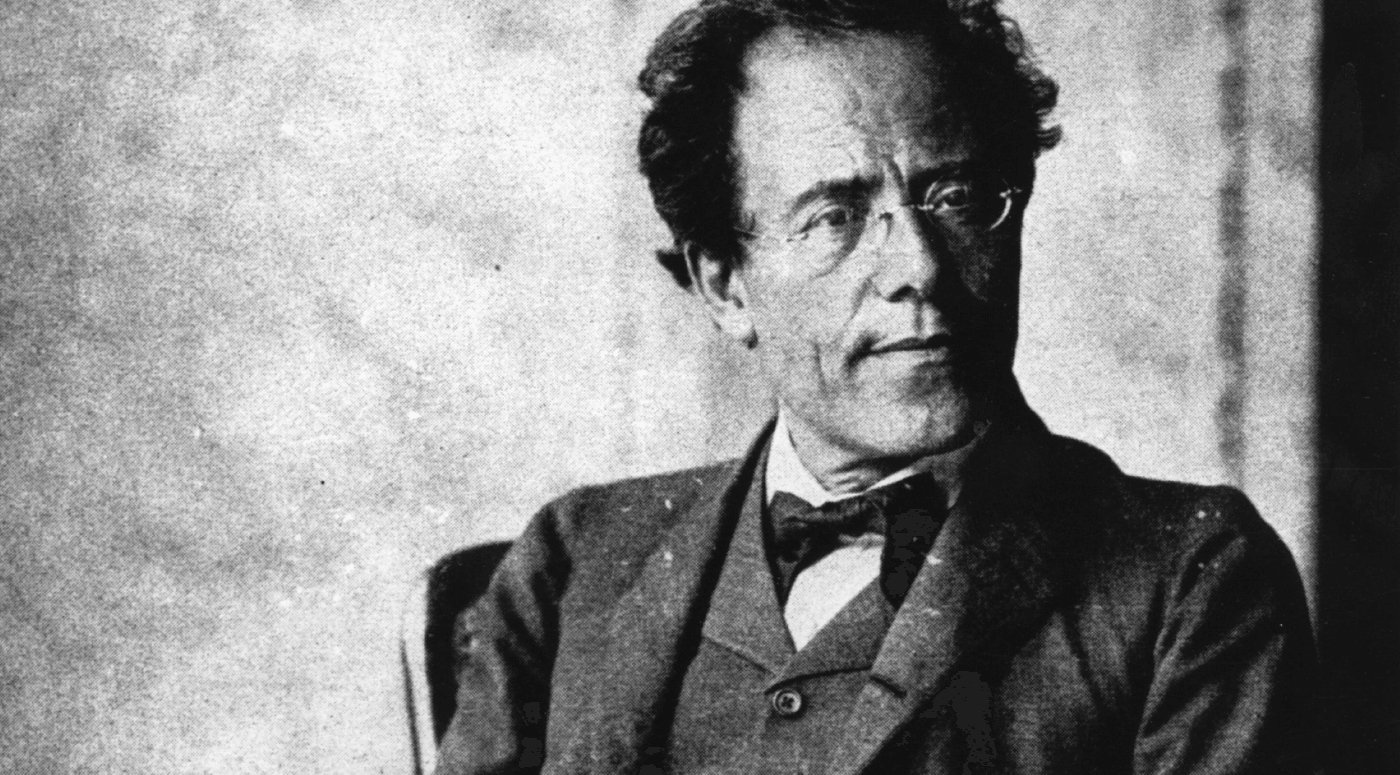


In 1860, Gustav Mahler was born into a German-speaking Jewish family in the Bohemian village of Kaliště, then part of the Austrian empire. When, seven years later, Jews gained full citizenship, Mahler’s father Bernard was eager to take full advantage. He projected his ambition upon his musically gifted son who, aged 15, was sent to the Vienna Conservatory – an uprooting that undoubtedly damaged him.
But Mahler soon found new comrades among socialists and pan-German nationalists who, discarding traditional beliefs, were inspired by the works of Schopenhauer, Wagner and Nietzsche. Their religion was romantic art, especially music, and they ascribed messianic status to those with creative genius.