

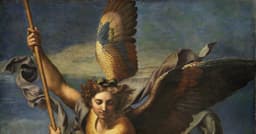
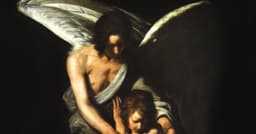
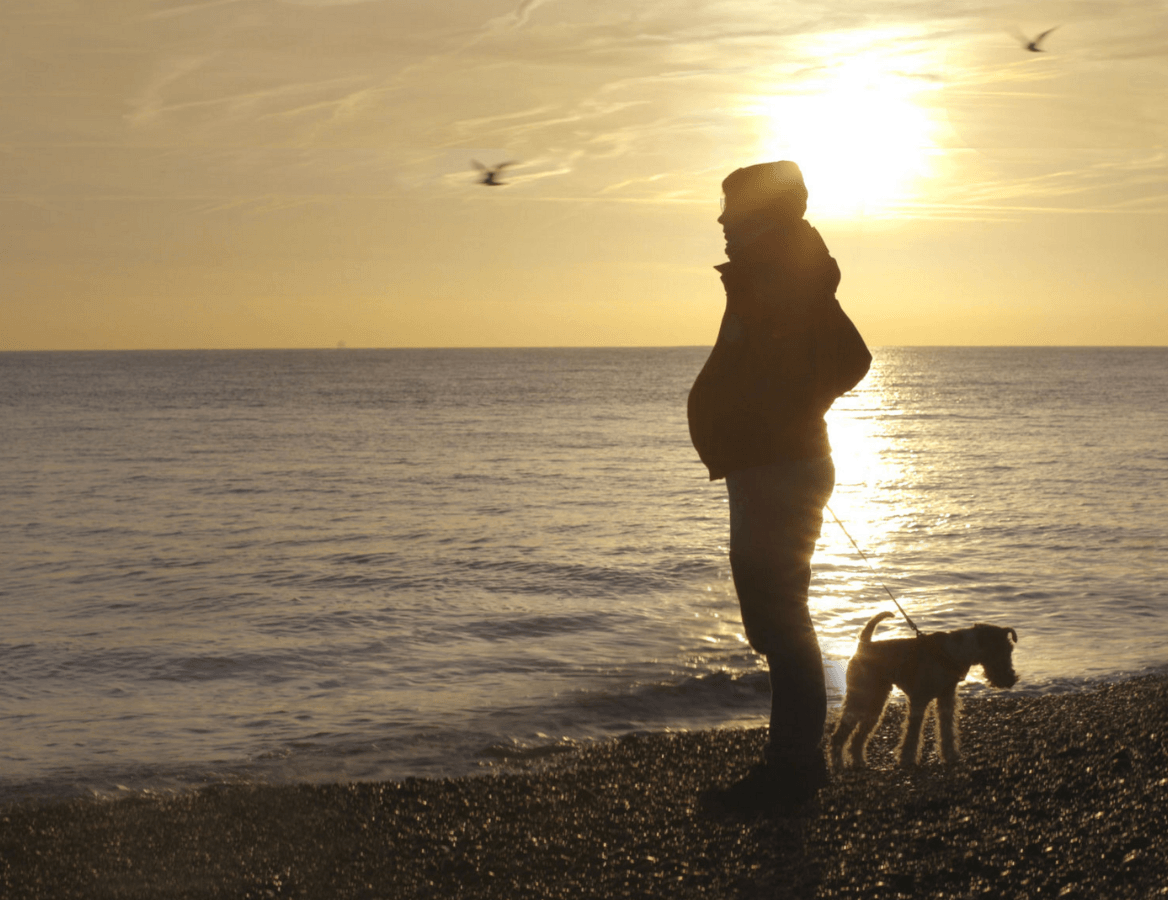
Earlier this month, BBC Two showed a documentary called Seahorse: The Dad who Gave Birth, which was made in Deal, Kent, where I dwell (the documentary is available via the internet). I am acquainted with Fred McConnell, “the dad who gave birth”, as a neighbour, and as a daughter of very nice folks locally. Seahorse (so named because male seahorses carry babies) followed the narrative of Fred’s unusual, indeed unique, journey. In the middle of Fred’s gender transition, she/he chose to halt hormone treatment to become pregnant. Fred yearned to have a child, and while female equipment such as womb and ovaries were still available, Fred chose to use them. Sperm was obtained via the internet. And it was certainly a touching moment when a pregnancy test showed positive, and Fred, along with his mother Esmé, celebrated. The pregnancy progressed normally and the birth scene, in a birthing pool, was shown, and a cute, blond baby boy emerged. Subsequently, Fred returned to the gender transition of female-to-male, and now regards himself as the child’s father. From what I can gather, reactions to Fred’s story are mixed. I heard some people say “woman becomes man, then stops becoming man to give birth to a baby, then becomes man again – I can’t get my head around it.” But Fred’s stepfather, Will, probably expressed the thought that many people today may share: “It’s what Fred wants to do.” “Choice” is the ruling mantra of our time, and justifies all options. Others will have felt, in fairness, that Fred was brave to make such a public statement which could lead to hurtful commentary – if I know anything about social media and Twitter. It is not for me to judge Fred McConnell’s mindset, and I wouldn’t wish to be hurtful. The compulsion to shed the female identity came over as extremely strong. And my general view of natality is “the child is always welcome”, in the old Jewish saying. But for me, biology remains biology. The father is the male who provides sperm; the mother is the female with ovaries and a womb. Change all the laws in the world but that biological fact is undeniable. I was also surprised by Fred’s reflections, during the pregnancy, that “if men became pregnant, pregnancy would be a much more important event”. Doesn’t Fred – a clever graduate who speaks Arabic – know about the history of Christianity? Or art? Pregnancy is the central event in Christianity: every day, Catholics all over the world say “Hail Mary, full of grace … blessed is the fruit of thy womb.” The Incarnation begins with the Annunciation – a pregnancy – and is the most frequently depicted subject in European art. Important? Very.
12:00 AM
My neighbour, 'the dad who gave birth'
earlier this month, bbc two showed a documentary called seahorse: the dad who gave birth, which was made in deal, kent, where i dwell (the d...
Mary Kenny

4 min read



Already a subscriber? Sign in
5freearticles every month
Continue reading with a free account. No card needed.
- Five free articles every thirty days, on any device you sign in on
- The Catholic Herald newsletter, every morning
- Subscribe whenever you like for everything: every article and the magazine

subscribe to the catholic herald today
Our best content is exclusively available to our subscribers. Subscribe today and gain instant access to expert analysis, in-depth articles, and thought-provoking insights—anytime, anywhere. Don’t miss out on the conversations that matter most.
Subscribe



