



February 12, 2026

'No one enjoys their first glass of beer': Cardinal Hume's advice on prayer

The Catholic Herald
More
Related
Min read
share

To answer the question, “Why does Cardinal Basil Hume’s spirituality still speak to people today?”, I remember something he once told the priests of the Diocese of Westminster: “I think there is a great need to find a way of speaking about God which touches the lives and hearts of our people, because there is a search going on. We have so many riches in our tradition from our collective experience; we have simply got to find a way to communicate.”

This year marks the 20th anniversary of the death of Cardinal Basil Hume (1923-1999), Benedictine monk, abbot, pastor and preacher.
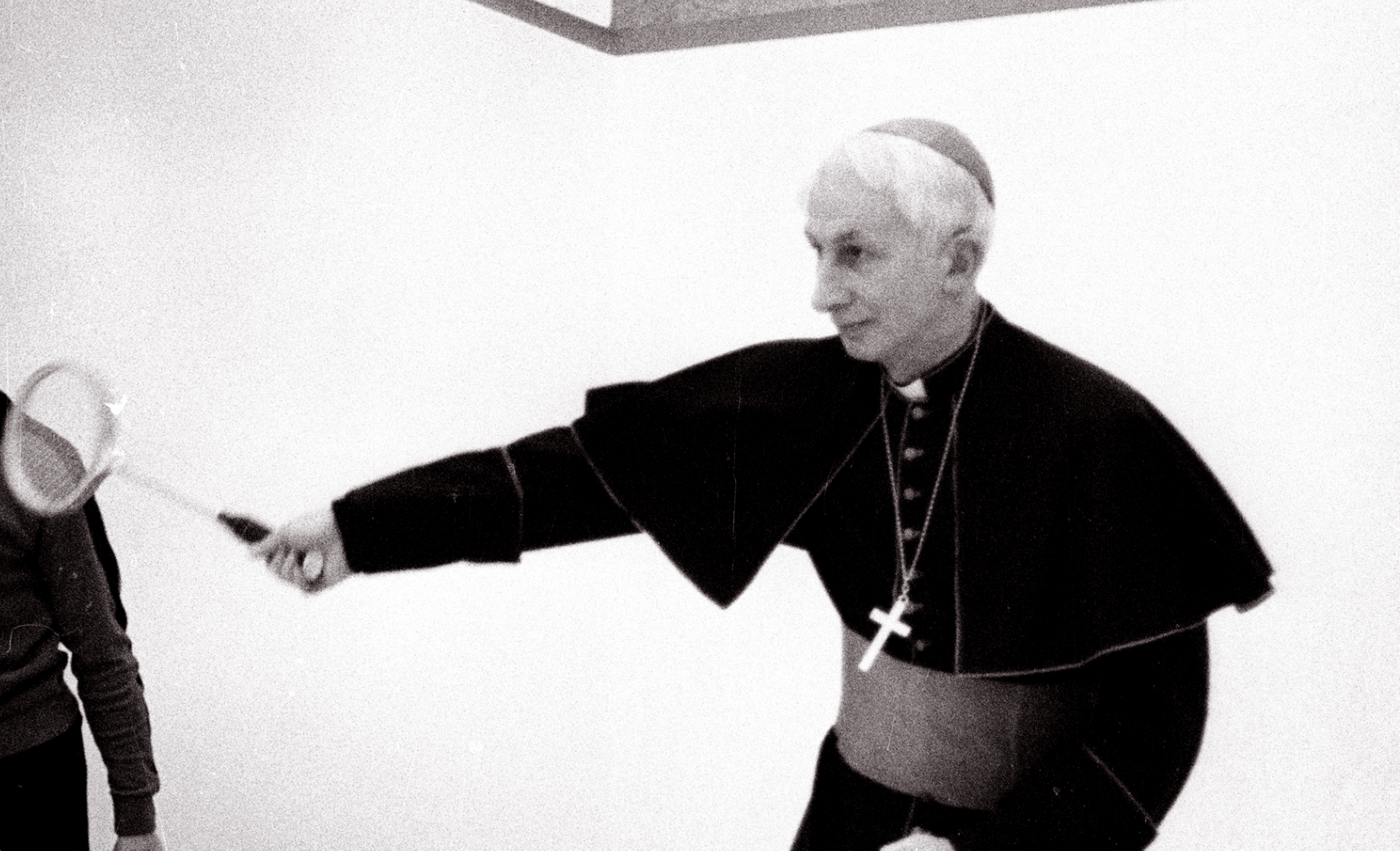
A gifted communicator, he spoke in simple and direct ways about the God he loved, which enabled him to touch the lives and hearts of those who heard his message, attested to by Rabbi Jonathan Sacks: “That was his great gift; drew people to him by his love of God and his deep feeling for humanity. While you were with him you felt enlarged.”

The voice of Basil Hume continues to speak to all those who are searching for meaning and purpose in a loud, busy and violent world. He continues to inspire those who hear his message. He speaks as a pastor, not as a specialist theologian; one who often said: “Never forget, we are dealing with people first of all, not principles.” Hume’s spirituality and his personal dedication to prayer give him the ability to relate to other pilgrims who seek the living and true God.

Cardinal Hume had the knack of relating to the ordinary believer who struggles with a life of faith, prayer and their growth in relationship with God. Regarding prayer, Hume united himself with all those who struggle, when answering how he as a former monk and then as a bishop prayed: “Oh, I’m such a flop,” he said.

On another occasion, he was asked again about prayer. “Oh, I just keep plugging away. At its best it’s like being in a dark room with someone you love. You can’t see them; but you know they’re there.”

So, Hume offers a straightforward definition of prayer by adding one word to what we find in the Catechism: “Prayer is trying to raise our minds and hearts to God.”

Maintaining a sense of humour, Cardinal Hume encourages us: “No one prays easily at first, just as I think no one really enjoys the first glass of beer. You’ve got to get used to beer, then you get hooked on it and want more and more!” He adds: “Prayer is like that, you have to get hooked but at the beginning it is hard going.”

To get us started with prayer, Cardinal Hume tells us to “remember you are trying to get in touch with a Person, and that Person is God – Father, Son or Holy Spirit. He is wanting to get in touch with you.” Furthermore, he said, “always think of God as your lover. Therefore he wants to be with you, just as a lover always wants to be with the beloved. He wants your attention, as every lover wants the attention of the beloved. He wants to listen to you, as every lover wants to hear the voice of the beloved.”

We are offered the following tips: first, “Plan to pray; do not leave it to chance. Select a time and a place (a room at home, on the bus, taking a walk).” Second, “Always start by asking the Holy Spirit for help in your prayers. Pray: ‘Come Holy Spirit, teach me to pray; help me do it.’ ” Third, “Decide what you are going to do when you pray – for example, which prayer to select to say slowly or lovingly; or which passage from the Bible to read prayerfully. Sometimes use your own words; sometimes just be silent and still. Follow your inclinations.” Fourth, “If you have distractions, then turn your distractions into your prayer. Lastly, remember, “trying to pray is praying. Never give up trying.”

Finally, Basil Hume’s spirituality speaks today through an address given on the 1,500th anniversary of the birth of St Benedict: “Benedict gathered ordinary people around him. Men and women came together in community and followed his Rule in their own monasteries as they still do today.

“He gave them a new way of looking at life, precisely because they were to learn to put God at the very centre of their lives. That is the key for all of us.”

Putting God at the centre of our lives, then, perhaps Cardinal Hume’s most encouraging words for the faithful, especially when we are overburdened, tired or have just had enough, are ones he once offered to his monks: namely, keep things in perspective.

“Never lose your sense of humour – and if you have not got one, then acquire one. A sense of humour is part of humility. Don’t take yourselves too seriously. Take life seriously. Take God seriously. But don’t, please don’t, take yourselves too seriously!”

Sister Gertrude Feick is the author of Cardinal Basil Hume: A Pilgrim’s Search for God (Gracewing, 2019)

To answer the question, “Why does Cardinal Basil Hume’s spirituality still speak to people today?”, I remember something he once told the priests of the Diocese of Westminster: “I think there is a great need to find a way of speaking about God which touches the lives and hearts of our people, because there is a search going on. We have so many riches in our tradition from our collective experience; we have simply got to find a way to communicate.”

This year marks the 20th anniversary of the death of Cardinal Basil Hume (1923-1999), Benedictine monk, abbot, pastor and preacher.

A gifted communicator, he spoke in simple and direct ways about the God he loved, which enabled him to touch the lives and hearts of those who heard his message, attested to by Rabbi Jonathan Sacks: “That was his great gift; drew people to him by his love of God and his deep feeling for humanity. While you were with him you felt enlarged.”

The voice of Basil Hume continues to speak to all those who are searching for meaning and purpose in a loud, busy and violent world. He continues to inspire those who hear his message. He speaks as a pastor, not as a specialist theologian; one who often said: “Never forget, we are dealing with people first of all, not principles.” Hume’s spirituality and his personal dedication to prayer give him the ability to relate to other pilgrims who seek the living and true God.

Cardinal Hume had the knack of relating to the ordinary believer who struggles with a life of faith, prayer and their growth in relationship with God. Regarding prayer, Hume united himself with all those who struggle, when answering how he as a former monk and then as a bishop prayed: “Oh, I’m such a flop,” he said.

On another occasion, he was asked again about prayer. “Oh, I just keep plugging away. At its best it’s like being in a dark room with someone you love. You can’t see them; but you know they’re there.”

So, Hume offers a straightforward definition of prayer by adding one word to what we find in the Catechism: “Prayer is trying to raise our minds and hearts to God.”

Maintaining a sense of humour, Cardinal Hume encourages us: “No one prays easily at first, just as I think no one really enjoys the first glass of beer. You’ve got to get used to beer, then you get hooked on it and want more and more!” He adds: “Prayer is like that, you have to get hooked but at the beginning it is hard going.”

To get us started with prayer, Cardinal Hume tells us to “remember you are trying to get in touch with a Person, and that Person is God – Father, Son or Holy Spirit. He is wanting to get in touch with you.” Furthermore, he said, “always think of God as your lover. Therefore he wants to be with you, just as a lover always wants to be with the beloved. He wants your attention, as every lover wants the attention of the beloved. He wants to listen to you, as every lover wants to hear the voice of the beloved.”

We are offered the following tips: first, “Plan to pray; do not leave it to chance. Select a time and a place (a room at home, on the bus, taking a walk).” Second, “Always start by asking the Holy Spirit for help in your prayers. Pray: ‘Come Holy Spirit, teach me to pray; help me do it.’ ” Third, “Decide what you are going to do when you pray – for example, which prayer to select to say slowly or lovingly; or which passage from the Bible to read prayerfully. Sometimes use your own words; sometimes just be silent and still. Follow your inclinations.” Fourth, “If you have distractions, then turn your distractions into your prayer. Lastly, remember, “trying to pray is praying. Never give up trying.”

Finally, Basil Hume’s spirituality speaks today through an address given on the 1,500th anniversary of the birth of St Benedict: “Benedict gathered ordinary people around him. Men and women came together in community and followed his Rule in their own monasteries as they still do today.

“He gave them a new way of looking at life, precisely because they were to learn to put God at the very centre of their lives. That is the key for all of us.”

Putting God at the centre of our lives, then, perhaps Cardinal Hume’s most encouraging words for the faithful, especially when we are overburdened, tired or have just had enough, are ones he once offered to his monks: namely, keep things in perspective.

“Never lose your sense of humour – and if you have not got one, then acquire one. A sense of humour is part of humility. Don’t take yourselves too seriously. Take life seriously. Take God seriously. But don’t, please don’t, take yourselves too seriously!”

Sister Gertrude Feick is the author of Cardinal Basil Hume: A Pilgrim’s Search for God (Gracewing, 2019)

subscribe to
the catholic herald

Continue reading your article with a subscription.
Read 5 articles with our free plan.
Subscribe

subscribe to the catholic herald today

Our best content is exclusively available to our subscribers. Subscribe today and gain instant access to expert analysis, in-depth articles, and thought-provoking insights—anytime, anywhere. Don’t miss out on the conversations that matter most.
Subscribe