

February 12, 2026

Omnium Gatherum

Fr John Zuhlsdorf
More
Related
Min read
share

March 1 is Ash Wednesday. Lent begins for the Latin Church. The Eastern Churches already begin fasting, abstaining from meat and dairy products, during their Triodion (Pre-Lent). You should by now have planned out your Lenten discipline.

Consult what your bishops wrote in 1985: liturgyoffice.org.uk/Resources/Penance/ Abstinence.pdf. They don’t set the bar very high, so consider doing a bit more. Choose something more challenging than giving up chocolate … again. Don’t go wobbly. Be traditional!

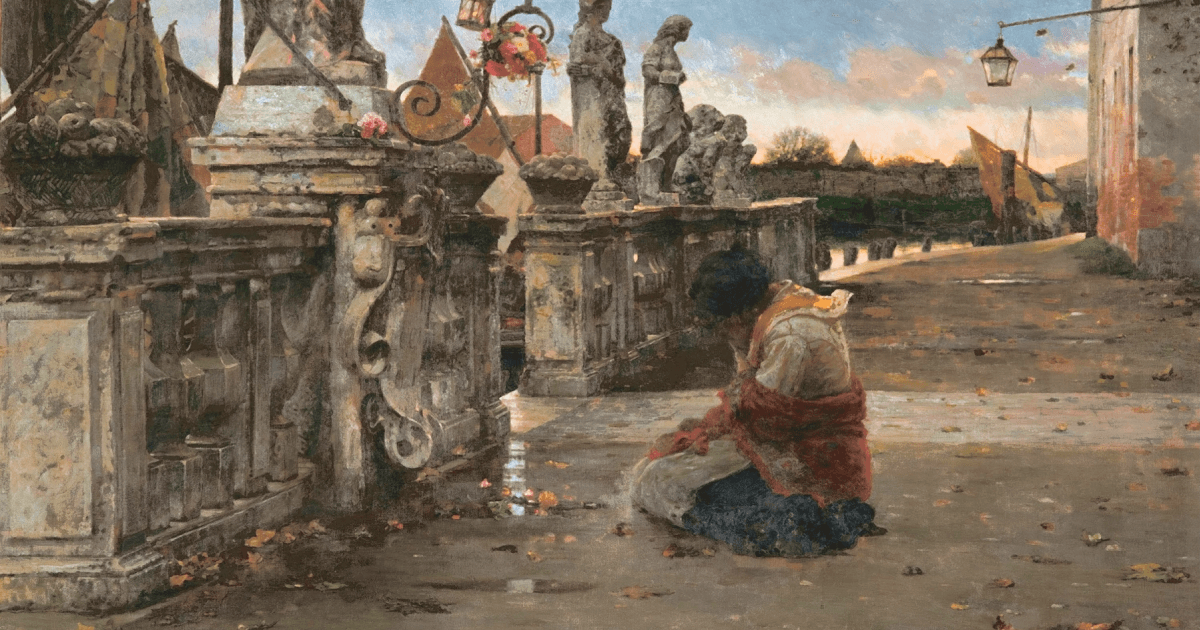
Each year, Holy Church conforms herself to her dying and rising Lord. Traditionally during Lent the Church strips our liturgy of its ornaments, such as flowers and music. She liturgically fasts – nay, rather dies – throughout Lent. Increasing deprivation characterises Lent’s liturgical worship so that our Easter celebration is that much sweeter, the flowers more florid, the music more tuneful and the white even brighter.
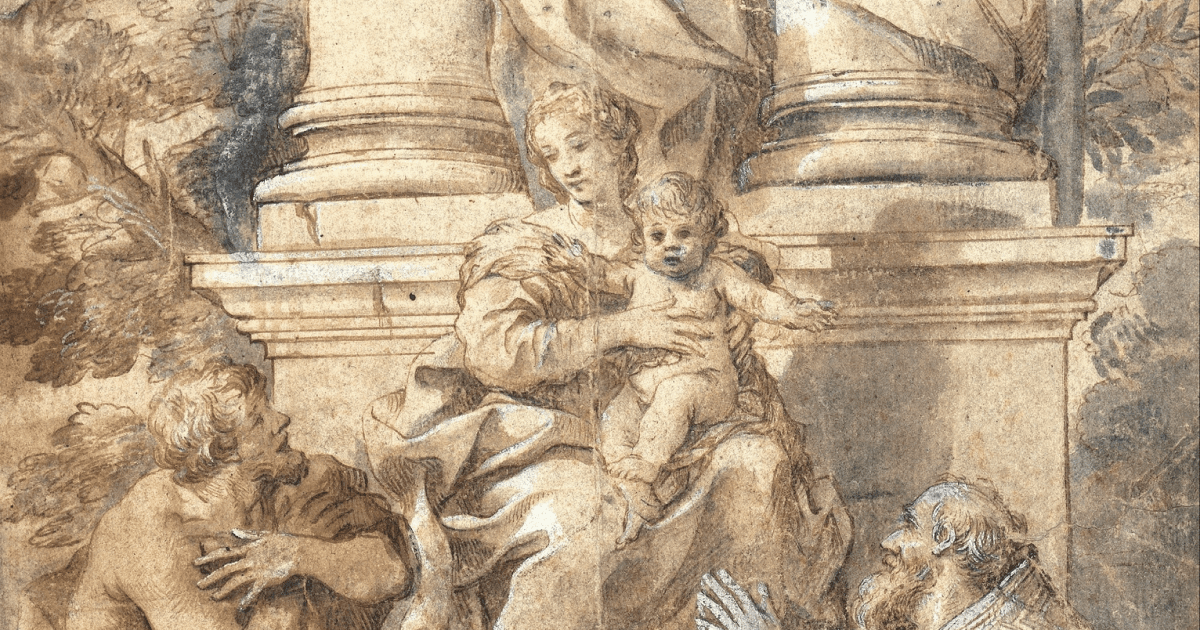
Ancient liturgical customs, usually preserved where the Extraordinary Form of the Roman Rite is enjoyed, can help us recover a deeper observance of Lent. The “Alleluia” is suppressed from Septuagesima onward. On Passion Sunday (the Sunday before Palm Sunday) statues and images are draped, taken from sight. During the Triduum, which for St Leo the Great (d 461) is totum paschale sacramentum (the “whole paschal sacramental mystery”), bells fall silent on Holy Thursday and there is no Mass on Good Friday, though we have Communion. On Saturday she remains still in liturgical death, without even Communion. At the Easter Vigil everything returns tenfold with her resurrection.

Speaking of fasting, perhaps your own choices for Lent might include gradually increased deprivation along with concrete good works of mercy.

To get us into the mood, let’s see one of the traditional prayers for the blessing of ashes which will be imposed upon us:

Almighty, everlasting God, spare those who are repentant, be merciful to those who pray to You, and graciously send Your holy angel from heaven to bless ☩ and hallow these ashes, that they may be a wholesome remedy for all who humbly implore Your holy Name; who accuse themselves by acknowledging their sins, who weep for their evil deeds in the sight of Your divine mercy; who humbly and earnestly seek Your fatherly love. Grant to us who call upon Your holy Name, that all who are sprinkled with these ashes for the forgiveness of their sins, may receive health for their bodies and salvation for their souls. Through Christ our Lord.

Visit fatherzonline.com

March 1 is Ash Wednesday. Lent begins for the Latin Church. The Eastern Churches already begin fasting, abstaining from meat and dairy products, during their Triodion (Pre-Lent). You should by now have planned out your Lenten discipline.

Consult what your bishops wrote in 1985: liturgyoffice.org.uk/Resources/Penance/ Abstinence.pdf. They don’t set the bar very high, so consider doing a bit more. Choose something more challenging than giving up chocolate … again. Don’t go wobbly. Be traditional!

Each year, Holy Church conforms herself to her dying and rising Lord. Traditionally during Lent the Church strips our liturgy of its ornaments, such as flowers and music. She liturgically fasts – nay, rather dies – throughout Lent. Increasing deprivation characterises Lent’s liturgical worship so that our Easter celebration is that much sweeter, the flowers more florid, the music more tuneful and the white even brighter.

Ancient liturgical customs, usually preserved where the Extraordinary Form of the Roman Rite is enjoyed, can help us recover a deeper observance of Lent. The “Alleluia” is suppressed from Septuagesima onward. On Passion Sunday (the Sunday before Palm Sunday) statues and images are draped, taken from sight. During the Triduum, which for St Leo the Great (d 461) is totum paschale sacramentum (the “whole paschal sacramental mystery”), bells fall silent on Holy Thursday and there is no Mass on Good Friday, though we have Communion. On Saturday she remains still in liturgical death, without even Communion. At the Easter Vigil everything returns tenfold with her resurrection.

Speaking of fasting, perhaps your own choices for Lent might include gradually increased deprivation along with concrete good works of mercy.

To get us into the mood, let’s see one of the traditional prayers for the blessing of ashes which will be imposed upon us:

Almighty, everlasting God, spare those who are repentant, be merciful to those who pray to You, and graciously send Your holy angel from heaven to bless ☩ and hallow these ashes, that they may be a wholesome remedy for all who humbly implore Your holy Name; who accuse themselves by acknowledging their sins, who weep for their evil deeds in the sight of Your divine mercy; who humbly and earnestly seek Your fatherly love. Grant to us who call upon Your holy Name, that all who are sprinkled with these ashes for the forgiveness of their sins, may receive health for their bodies and salvation for their souls. Through Christ our Lord.

Visit fatherzonline.com

subscribe to
the catholic herald

Continue reading your article with a subscription.
Read 5 articles with our free plan.
Subscribe

subscribe to the catholic herald today

Our best content is exclusively available to our subscribers. Subscribe today and gain instant access to expert analysis, in-depth articles, and thought-provoking insights—anytime, anywhere. Don’t miss out on the conversations that matter most.
Subscribe