



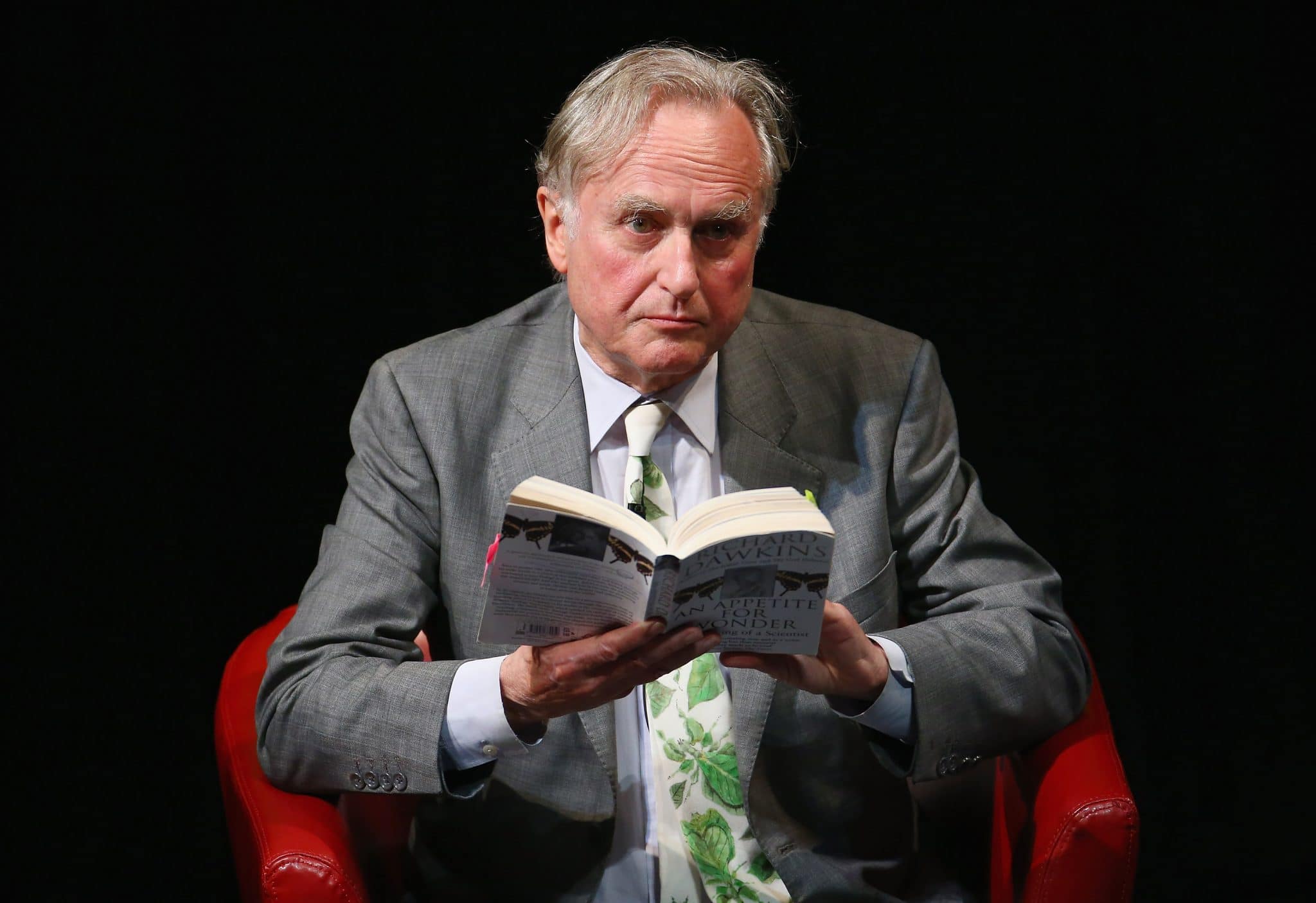
In the realm of science and faith, I don’t have that much in common with Richard Dawkins, but I do agree with him on one thing: namely, that it is somewhat ridiculous trying to work out the probability that God exists using Bayesian analysis. Bayesian analysis is a technique of statistical inference named after an 18th-century Presbyterian minister, Thomas Bayes. Properly used, it is a very powerful technique for estimating how confident we should be in some belief given the evidence we have. For instance, Bayesian analysis is used all the time in clinical trials. The technique works by giving an initial percentage of certainty to some belief, e.g. 0% if you are certain the belief is false, 100% if you know it’s true, and somewhere in between if you’re not sure. If you are then presented with some evidence and know how likely that evidence would be if the belief happened to be true, the Bayes theorem tells you how to work out how likely the belief is given the evidence and one’s prior degree of certainty.
10:00 AM
One simple question
in the realm of science and faith, i don’t have that much in common with richard dawkins, but i do agree with him on one thing: namely, that...
Fr Robert Verrill OP

5 min read



Already a subscriber? Sign in
5freearticles every month
Continue reading with a free account. No card needed.
- Five free articles every thirty days, on any device you sign in on
- The Catholic Herald newsletter, every morning
- Subscribe whenever you like for everything: every article and the magazine






subscribe to the catholic herald today
Our best content is exclusively available to our subscribers. Subscribe today and gain instant access to expert analysis, in-depth articles, and thought-provoking insights—anytime, anywhere. Don’t miss out on the conversations that matter most.
Subscribe



