


Opus Dei has published a response decrying what it has called “unfounded and offensive accusations” as the long-running dispute with the Diocese of Barbastro-Monzón continues. Bishop Ángel Pérez Pueyo of the diocese released a statement on August 31 stating that the image of Our Lady of the Angels of Torreciudad should be returned to its original sanctuary.
The dispute has once again come to prominence ahead of the September 5 one-day return of the image of Our Lady of the Angels of Torreciudad. Bishop Pueyo said that after “more than fifty years, our Mother returns home” to the “place where entire generations of this land visited it for more than a thousand years.”
Opus Dei stated that the carving was “never appropriated clandestinely” and that “always with the authorisation of the bishop, it was restored in 1964 and again around 1970, and since 1975 it has presided over the altarpiece of this new temple, publicly exposed to the veneration of all the faithful.”
The Opus Dei statement read: “It is legitimate that there are currently different interpretations about the legal effects of agreements. It is up to the competent authority to resolve them.” It emphasised that a legal difference could not become “an offensive accusation without foundation.”
“For all these reasons, we reject that what happened can be described as a theft, a usurpation or an illegal retention, as suggested by the bishop of Barbastro in the communiqué of August 31.”
The statement cited a public deed from September 24, 1962, which it stated had transferred the “useful domain”rather than the property, of the image and old hermitage in perpetuity. It also referenced an agreement documented on September 8, 1966 establishing a board of trustees who would build and finance the new sanctuary on the condition that the image be venerated in it.
Bishop Pueyo had said in September last year that he would resign if the Vatican ruled against the return of the image. In his recent statement, he said that it was “as if this people who were waiting for justice had to accept resignations instead of defending their rights”.
“During these last years the diocese has gathered historical and legal documentation that, in our opinion, prevents us from considering the departure of the image from its hermitage as a voluntary renunciation of this town to its custody and its original place,” he said.
“Before the current temple, before the controversies and before any of us, for more than a millennium this image was linked to this land and its hermitage. And its authorised departure, in accordance with the law, does not appear in the archives of either the Chapter or the Diocese.”
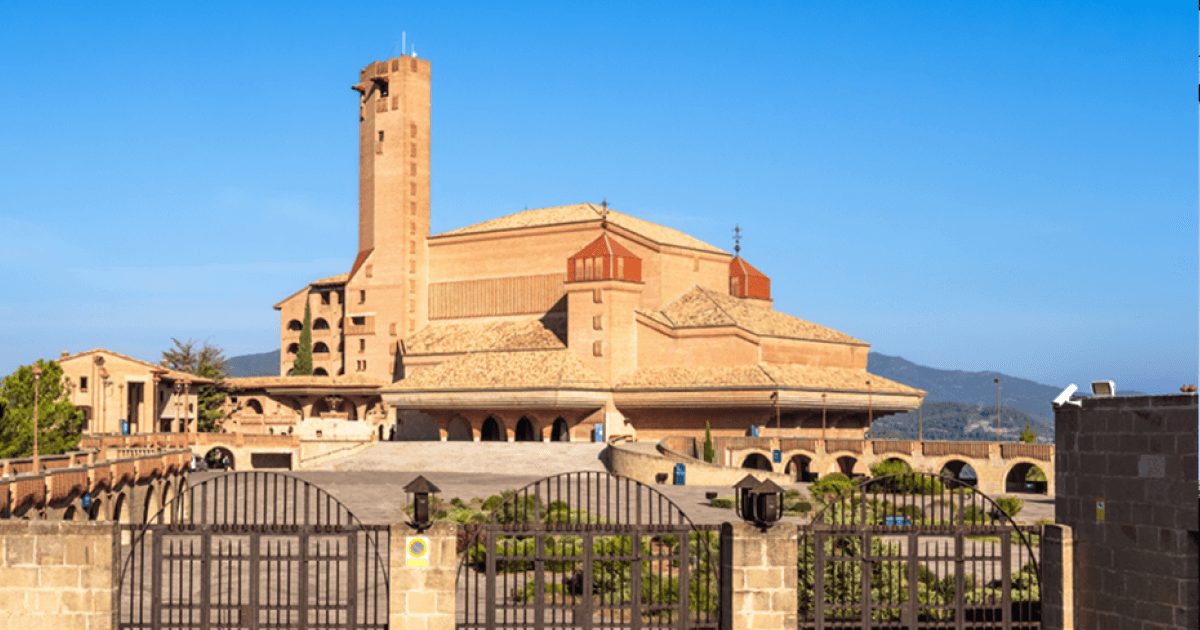
However, Opus Dei stated that the image had been placed “with documented authorisation from the diocese” in the new temple, which sits close to the hermitage. It argued that the purpose of moving the image was for the sake of its preservation and the restoration of the old hermitage.
It cited data published by the sanctuary, which claims that more than ten million pilgrims have passed through Torreciudad, with around 200,000 visitors per year. They argued that the new temple, where the image resides, is more accessible for the elderly and people with disabilities, with ramps, lifts, wide doors and adapted toilets, as well as resources for people with visual or hearing disabilities.
It also stated that the old hermitage, “far from having been abandoned”, was restored and is preserved, open to worship and visits.
Bishop Pueyo argued that it was a matter of the image remaining “in her hermitage-sanctuary, her millenary home”, stating that he was not asking for privileges. “We ask that the Mother remain in her usual home, where she always remained for more than a thousand years until she was taken away fifty years ago,” he said.