

March 27, 2026

Pope Leo appoints Bishop Wilmer, president of the German Bishops’ Conference, to Münster

The Catholic Herald
More
Related
Min read
share

Pope Leo XIV has appointed Bishop Heiner Wilmer as Bishop of Münster, ending a vacancy of about a year in what is now Germany’s largest diocese by Catholic population.

The Holy See confirmed the move on March 26, with Wilmer, currently Bishop of Hildesheim and president of the German Bishops’ Conference, set to succeed Bishop Felix Genn, who retired in March 2025.

The Diocese of Münster has been without a bishop since Genn stepped down on reaching the age limit, with diocesan governance maintained on an interim basis. Its status as the largest German diocese, overtaking Cologne, has sharpened the importance of the appointment, both pastorally and politically within the German Church.

Bishop Wilmer’s appointment follows a structured process governed in Münster by the Prussian Concordat, under which the cathedral chapter submits a list of candidates to Rome. After consideration, a shortlist of three names is returned, from which the chapter elects before the Pope makes the final decision. The system, a legacy of Church–state arrangements in parts of Prussia, continues to give the local cathedral chapter a formal role in episcopal appointments while preserving papal authority.

The bishops’ conference president brings a varied background to the post. Born in 1961 in Emsland, he entered the Congregation of the Sacred Heart of Jesus in 1980 and was ordained in 1987. His early ministry combined academic work and teaching, including time spent in the United States. He later served as Provincial Superior of his congregation in Germany and, from 2015, as Superior General in Rome. Pope Francis appointed him Bishop of Hildesheim in 2018.

Within the German Bishops’ Conference, Wilmer has held several senior responsibilities. Since 2021 he has chaired its Commission for Social and Societal Issues, and from 2019 to 2024 he led the German Commission for Justice and Peace. 

The move is highly unusual, as it transfers a sitting conference president to a diocese of increased demographic weight, suggesting a consolidation of leadership at a moment when the German Church faces continuing internal tensions and declining affiliation. 

According to the preliminary figures for 2025, more than 307,117 people left the Catholic Church in Germany, slightly down from 321,659 in 2024.

Many have made the connection between the numbers leaving the Church and the liberalising reforms imposed through the Synodal Way, a series of conferences organised by the German episcopacy. The Synodal Way voted in favour of a large number of measures counter to Catholic teaching, including approving women’s ordination, married priests and a reform of Catholic sexual ethics.

Initiatives have been set up to counteract the heterodoxy, such as Der Neue Anfang (The New Beginning), and traditional communities have continued to grow. However, without unity among the hierarchy on matters of faith and morals, the Church has been left severely compromised.

The vacancy Bishop Wilmer fills had been relatively prolonged by recent standards. During the interregnum, Antonius Hamers, head of the Catholic Office of North Rhine-Westphalia, oversaw diocesan administration.

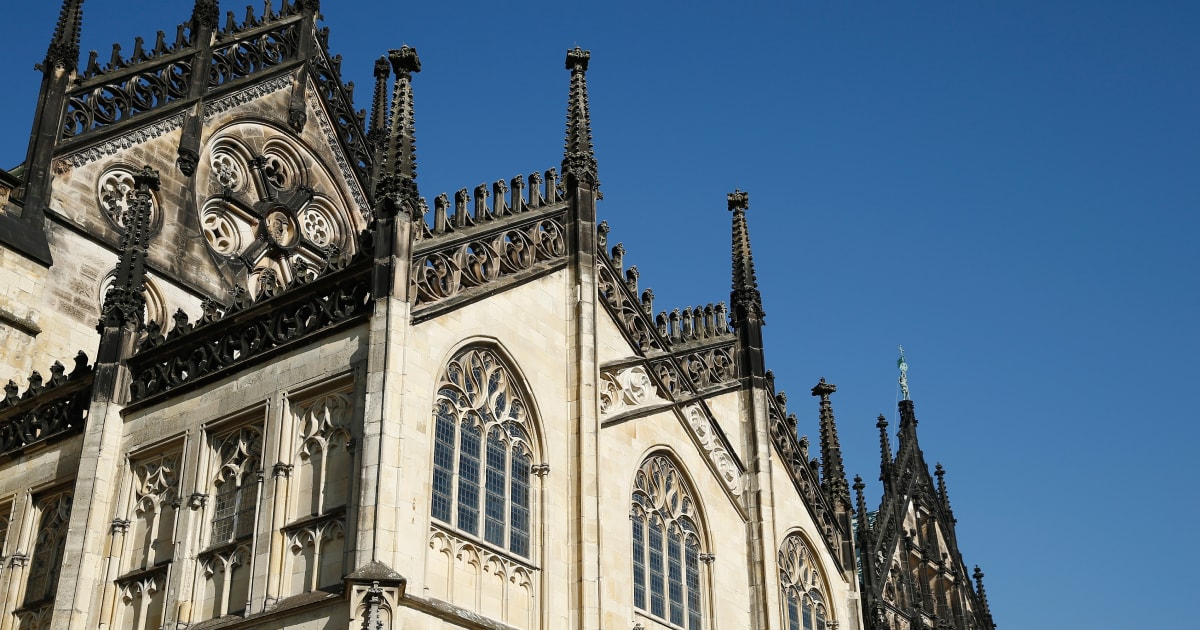
Wilmer’s installation is expected to take place in St Paul’s Cathedral in Münster in the coming months, in accordance with the usual practice that follows papal appointment.

With Münster now the largest diocese in the country, and the bishops’ conference awaiting Rome’s response to its synodal proposals, the decision to transfer both roles to the same figure signals a preference for continuity of leadership in Germany.

Pope Leo XIV has appointed Bishop Heiner Wilmer as Bishop of Münster, ending a vacancy of about a year in what is now Germany’s largest diocese by Catholic population.

The Holy See confirmed the move on March 26, with Wilmer, currently Bishop of Hildesheim and president of the German Bishops’ Conference, set to succeed Bishop Felix Genn, who retired in March 2025.

The Diocese of Münster has been without a bishop since Genn stepped down on reaching the age limit, with diocesan governance maintained on an interim basis. Its status as the largest German diocese, overtaking Cologne, has sharpened the importance of the appointment, both pastorally and politically within the German Church.
Bishop Wilmer’s appointment follows a structured process governed in Münster by the Prussian Concordat, under which the cathedral chapter submits a list of candidates to Rome. After consideration, a shortlist of three names is returned, from which the chapter elects before the Pope makes the final decision. The system, a legacy of Church–state arrangements in parts of Prussia, continues to give the local cathedral chapter a formal role in episcopal appointments while preserving papal authority.

The bishops’ conference president brings a varied background to the post. Born in 1961 in Emsland, he entered the Congregation of the Sacred Heart of Jesus in 1980 and was ordained in 1987. His early ministry combined academic work and teaching, including time spent in the United States. He later served as Provincial Superior of his congregation in Germany and, from 2015, as Superior General in Rome. Pope Francis appointed him Bishop of Hildesheim in 2018.

Within the German Bishops’ Conference, Wilmer has held several senior responsibilities. Since 2021 he has chaired its Commission for Social and Societal Issues, and from 2019 to 2024 he led the German Commission for Justice and Peace. 

The move is highly unusual, as it transfers a sitting conference president to a diocese of increased demographic weight, suggesting a consolidation of leadership at a moment when the German Church faces continuing internal tensions and declining affiliation. 

According to the preliminary figures for 2025, more than 307,117 people left the Catholic Church in Germany, slightly down from 321,659 in 2024.

Many have made the connection between the numbers leaving the Church and the liberalising reforms imposed through the Synodal Way, a series of conferences organised by the German episcopacy. The Synodal Way voted in favour of a large number of measures counter to Catholic teaching, including approving women’s ordination, married priests and a reform of Catholic sexual ethics.

Initiatives have been set up to counteract the heterodoxy, such as Der Neue Anfang (The New Beginning), and traditional communities have continued to grow. However, without unity among the hierarchy on matters of faith and morals, the Church has been left severely compromised.

The vacancy Bishop Wilmer fills had been relatively prolonged by recent standards. During the interregnum, Antonius Hamers, head of the Catholic Office of North Rhine-Westphalia, oversaw diocesan administration.

Wilmer’s installation is expected to take place in St Paul’s Cathedral in Münster in the coming months, in accordance with the usual practice that follows papal appointment.

With Münster now the largest diocese in the country, and the bishops’ conference awaiting Rome’s response to its synodal proposals, the decision to transfer both roles to the same figure signals a preference for continuity of leadership in Germany.

subscribe to
the catholic herald

Continue reading your article with a subscription.
Read 5 articles with our free plan.
Subscribe

subscribe to the catholic herald today

Our best content is exclusively available to our subscribers. Subscribe today and gain instant access to expert analysis, in-depth articles, and thought-provoking insights—anytime, anywhere. Don’t miss out on the conversations that matter most.
Subscribe