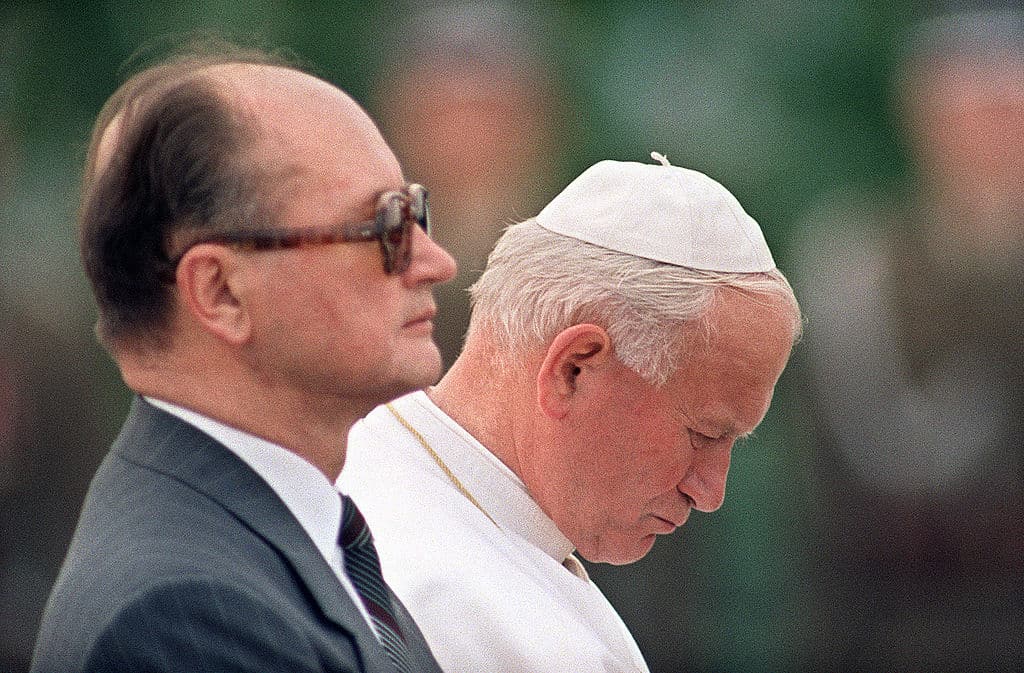




In 1995, St John Paul II wrote, in his encyclical Evangelium Vitæ, that “without an objective moral grounding, not even democracy is capable of ensuring a stable peace”. That document, issued just over 30 years ago, is best remembered for its compelling reaffirmation of the Church’s teaching on life issues – but it also contained extensive reflection on broader political matters, especially those concerning the dignity of the individual.
Only a few years after the collapse of Communism in Eastern Europe, this aspect of the document had a particular resonance for nascent democracies like John Paul II’s own beloved homeland of Poland, many of which were historically Catholic. Some had never known genuinely democratic government before, and there was much debate over how to balance freedom, tradition, prosperity, community and morality.