
April 22, 2026

Rare postwar Crucifixion mural to be preserved in northern England

The Catholic Herald
More
Related
Min read
share

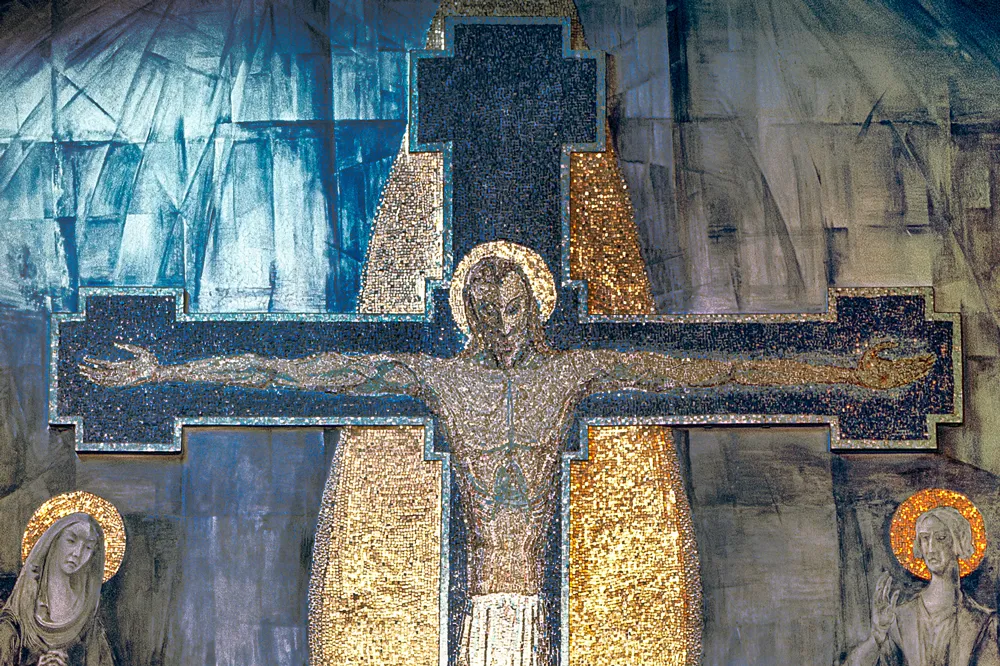
A rare postwar Catholic artwork made by a Jewish refugee from Nazi persecution is set to be preserved after a new charitable trust secured the future of a decommissioned church in northern England, preventing the loss of a mural widely regarded as one of the most distinctive examples of modern religious art in Britain.

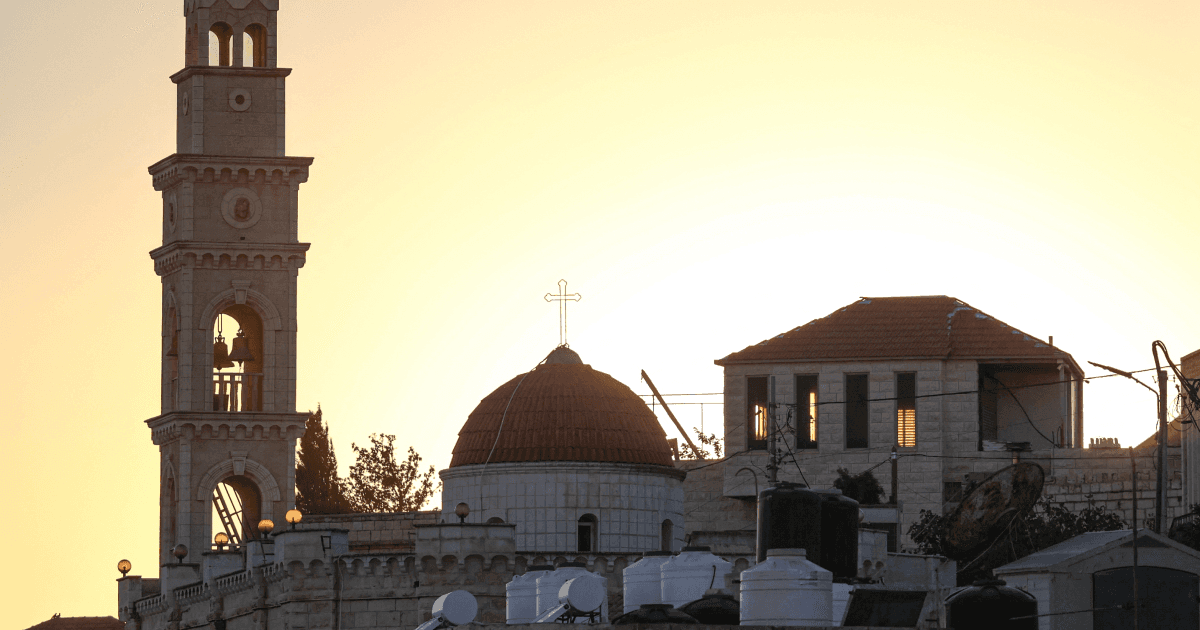
The mosaic and fresco of the Crucifixion inside Holy Rosary Church will be protected under plans to convert the former parish building into a community arts and heritage centre. The initiative follows years of uncertainty after the church closed in 2017 amid declining congregations and diocesan restructuring, leaving the structure vulnerable to vandalism and potential demolition.
The artwork was created in 1955 by Georg Mayer-Marton, a prominent Viennese painter who fled Austria in 1938 to escape Nazi persecution. He later settled in England, where he became a lecturer at the Liverpool College of Art and established the United Kingdom’s first academic course in mural art. His Oldham commission combined mosaic and fresco techniques in a distinctive style influenced by Byzantine and modernist traditions.

The mural depicts Christ on the Cross flanked by the Virgin Mary and St John, presenting what art historians describe as a deeply personal meditation on suffering and redemption. Only two ecclesiastical murals by Mayer-Marton remain in their original locations, and the Oldham work is the sole surviving example that integrates both fresco and mosaic within a single composition.

Officials at Historic England described the work as “highly unusual and possibly unique in this country”, noting its combination of neo-Baroque mosaic and Cubist-influenced fresco applied to traditional Christian imagery. The organisation granted the church and artwork Grade II-listed status in 2022 following a campaign supported by heritage groups and local residents.

The significance of the piece has also been recognised by leading figures in the cultural sector. Tristram Hunt, the director of the Victoria and Albert Museum in London, called it “a remarkable example of post-war mural art and the revival of the mosaic in Britain”, adding that it stands as evidence of the important role played by émigré artists in shaping Britain’s artistic landscape after the Second World War.

A newly formed body, the Oldham Mural & Cultural Heritage Trust, will oversee the transformation of the building into a centre dedicated to youth activities, arts education and cultural preservation. Trustees say the project aims not only to safeguard the artwork but also to provide new opportunities for community engagement in an area facing social and economic challenges.

Local campaigners emphasised that the church building has long served as a focal point for neighbourhood life. Community leaders involved in the project said the redevelopment would allow the historic structure to retain a public role while adapting to changing patterns of parish attendance that have led to the closure of many churches across England in recent decades. The preservation of the Mayer-Marton mural, created barely a decade after the end of the Second World War, has been widely viewed as a significant step in protecting a work that serves as a testament to the memory of suffering in the 20th century.

Continue reading with a free account

Create a free account to read up to five articles each month
Create free account

You have # free articles remaining this month.

Subscribe to get unlimited access.
Sign up

subscribe to the catholic herald today

Our best content is exclusively available to our subscribers. Subscribe today and gain instant access to expert analysis, in-depth articles, and thought-provoking insights—anytime, anywhere. Don’t miss out on the conversations that matter most.
Subscribe