




An aristocratic Catholic friend once told me that his father would refer to a co-religionist landowner as “cousin X”, despite the family connection occurring back in the 18th century. Deep-rooted connections to the past are not uncommon among British landowners but are particularly powerful in old recusant Catholic houses where the sense of history is shaped by stories of persecution, privation and endurance – as well as duty and survival.
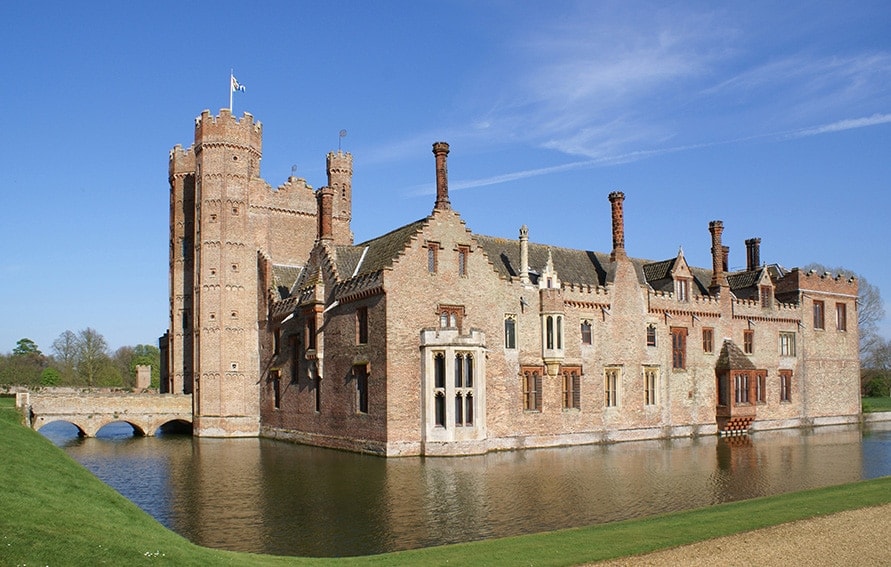
The father of the poet Alexander Pope was forced to sell his property in Windsor Forest under a law that forbade the residence of Catholics close to the person of the monarch. As Professor Peter Davidson has pointed out, this gives Pope’s Horatian eulogies about the settled man on inherited land a particular recusant meaning. Pope was also close to the daughters of the Blount family whose romantic family home Mapledurham, in Oxfordshire, is still an important Catholic house today. Dendrochronology has recently proved that it was built shortly after the Gunpowder Plot, and it contains artfully arranged “hides” where itinerant priests could be hidden in a chimney stack.