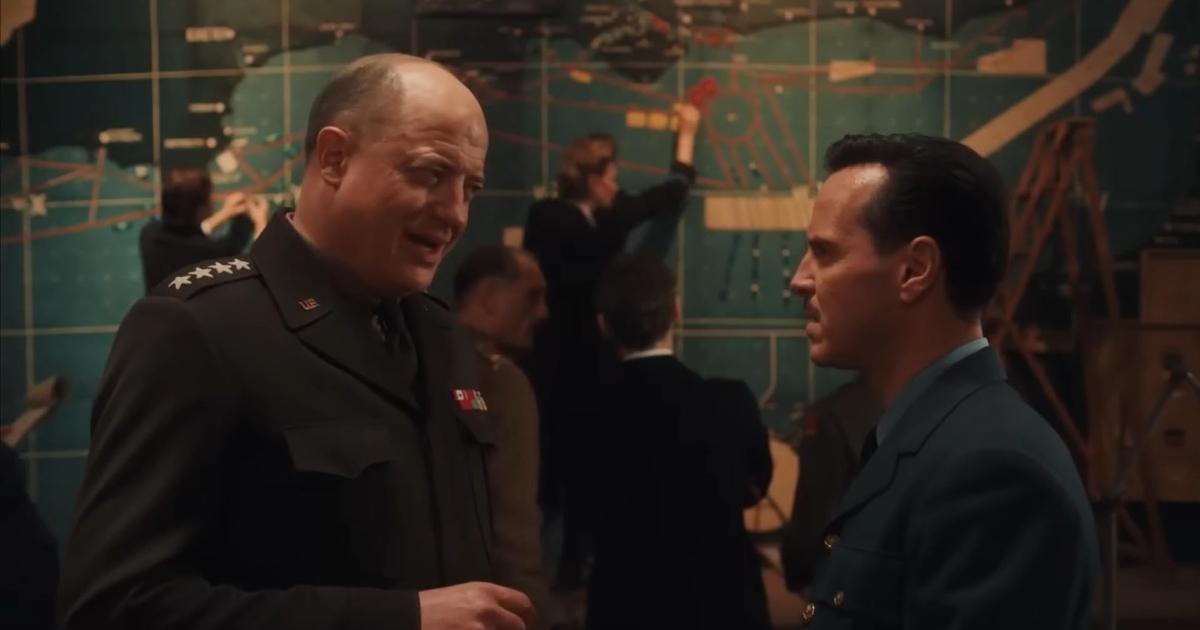


Three years after Glass Onion, and six since the original Knives Out, Daniel Craig has once again returned on screen to bless us with the silky southern tones of his murder solving character, Benoit Blanc. Set in a small rural Catholic parish, Wake Up Dead Man, the third instalment in the film series, was sure to turn heads as audiences waited to see what sort of depiction Netflix had planned for the Church, her priests, and her teachings.
For those entering the film with such anticipation, the first forty minutes, entirely absent of Craig’s character, will make for tough viewing. The back story, dominated by the overwhelming personality of the spiritually abusive parish priest and murder victim, Monsignor Jefferson Wicks, whose crusade against sinful liberal culture was fought by shaming his parishioners from the pulpit, was frustrating. It came off more like forced political jabs than well crafted character building. Furthermore, missing details, such as the priest not giving absolution after confessions, only underscored the sense that the film was set to join a long list of other out of touch Hollywood productions intent on making a mockery of the Church without the courtesy of simple research.
While leaving room for such an interpretation, as the film progressed it transpired that these frustrating characters, plot lines, and details were simply overblown embellishments to a story which actually held some hidden gems, quite literally.
The film’s protagonist, Fr Jud Duplenticy, played by Josh O’Connor, who was assigned to Our Lady of Perpetual Fortitude after punching a deacon in the face, quickly set himself apart as the antidote to Wicks’ distorted gospel of hate. His message that Christ came to heal the sick and broken people of the world, of whom he was chief among, was a well articulated communication of Christ’s Gospel. The most impactful of all his insights might be that transformation occurs not in an instant, but in the daily resolution to be open to God’s grace, what he referred to as our “daily bread”. While these messages, which appeared at multiple points throughout the film, felt a bit on the nose, it is arguably befitting for a priest of all characters to get a little preachy from time to time.
Of all the scenes in the film, there were three that stood out as having beautifully captured and articulated aspects of the faith.
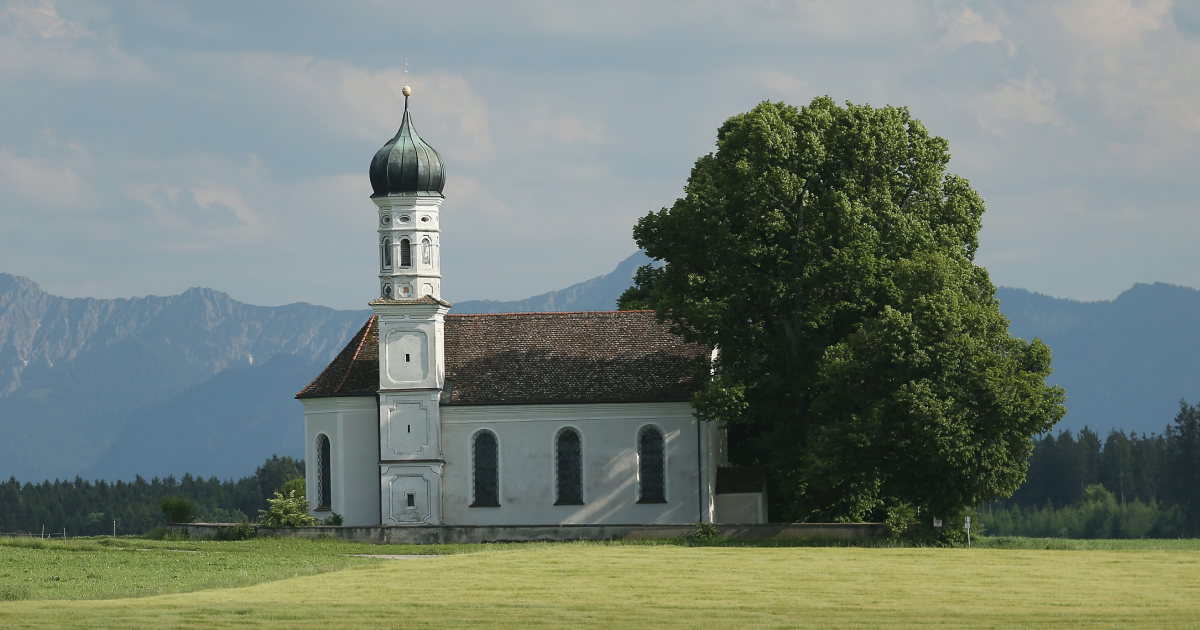
During Blanc’s first appearance on screen, shortly after the murder of Monsignor Wicks, he and Fr Jud enter an interesting, albeit predictable, conversation about all that holds him away from faith. He is a man of reason who admires the grandeur and mystery that church architecture holds, but sceptically views the attractive beauty of the building as part of an effort to sell a story to him that he does not believe, and even finds offensive. Jud’s response? “You’re right, it’s storytelling.” Highlighting the architecture, rites, rituals, and costumes, the priest flips the script, stating: “The question is, do these stories convince us of a lie? Or do they resonate with something deep inside us that is profoundly true?”
This simple but strong articulation will come as music to the ear of any traditionally minded Catholic. For too long, many Catholics have slipped into a subtle iconoclasm, clinging to a more Protestant view of worship which strips the incarnational aspects of our human experience out of the liturgy. The beauty of a high liturgy is that it captures and moves something from our deepest humanity, our being storytelling creatures. In this way, Fr Jud’s words act as a challenge not only to the rational atheist Benoit Blanc, but to all who deny the power and importance of properly performed liturgy.
The second moving scene was Fr Jud’s phone conversation with Louise, the receptionist for Steel Wheel’s construction. In this scene, as he and Blanc are midway through their investigation to catch the killer, their search is interrupted by the simple question posed by Louise: “Fr Jud, could you pray for me?” The conversation that unfolds from this, where the receptionist breaks down her life’s problems over the phone, hijacking the momentum of the search, displays a circumstance many priests know all too well. To this day, despite countless scandals, the Church and her priests remain a place many still choose to confide in, searching for comfort and healing. It revealed the cross every parish priest will know, wherein one’s own important tasks need to be suddenly set aside for the sake of a soul in need of ministering to. This reality is sadly often missing from people’s, even faithful Catholics’, understanding, and yet is beautifully captured here.
Lastly, in the closing moments of the film, there is the powerful deathbed confession of Glenn Close’s character, Martha Delacroix. The scene, which poetically tied together all the previous illicit confessions, conveys some important truths about the sacrament. Firstly, Blanc holding off from revealing the killer, but rather allowing Close to make a confession of her own volition, demonstrates an important component of any good confession: coming to it of one’s own free will. During the confession, where Martha admits to the various murders, Fr Jud presses her on one final sin, her cruel treatment of Wicks’ mother, Grace. Witnessing the softening of a dying woman’s heart, and her eventual willingness to admit fault here, showed a power contained within the sacrament not only to deal with the fruit of our broken hearts, but to reach down to our core and mend it. In her final breaths, Fr Jud prays the one and only prayer of absolution heard in the whole film, a creative way of communicating the sincerity of Martha’s contrition.
While certainly not the best of the trilogy, Wake Up Dead Man proved itself to be a far better considered film than anticipated. The impressive unpacking of hidden aspects of the faith outlined above demonstrated the efforts of a creative team not simply interested in bashing an easy target, but in portraying a more honest picture of the Church. Bad, abusive priests do exist, very rarely in the way depicted in this film, but it is a reality we are aware of nonetheless. The true remedy for this, however, is not found by abandoning the Church, but by embracing the light held within her teachings, sacraments, beauty, and faithful clergy. It is these gifts, granted to us by Christ himself, that we can use to combat our sin and brokenness.