

February 12, 2026

Saint of the week: Germaine Cousin (June 15)

Staff Reporter
More
Related
Min read
share

A difficult beginning
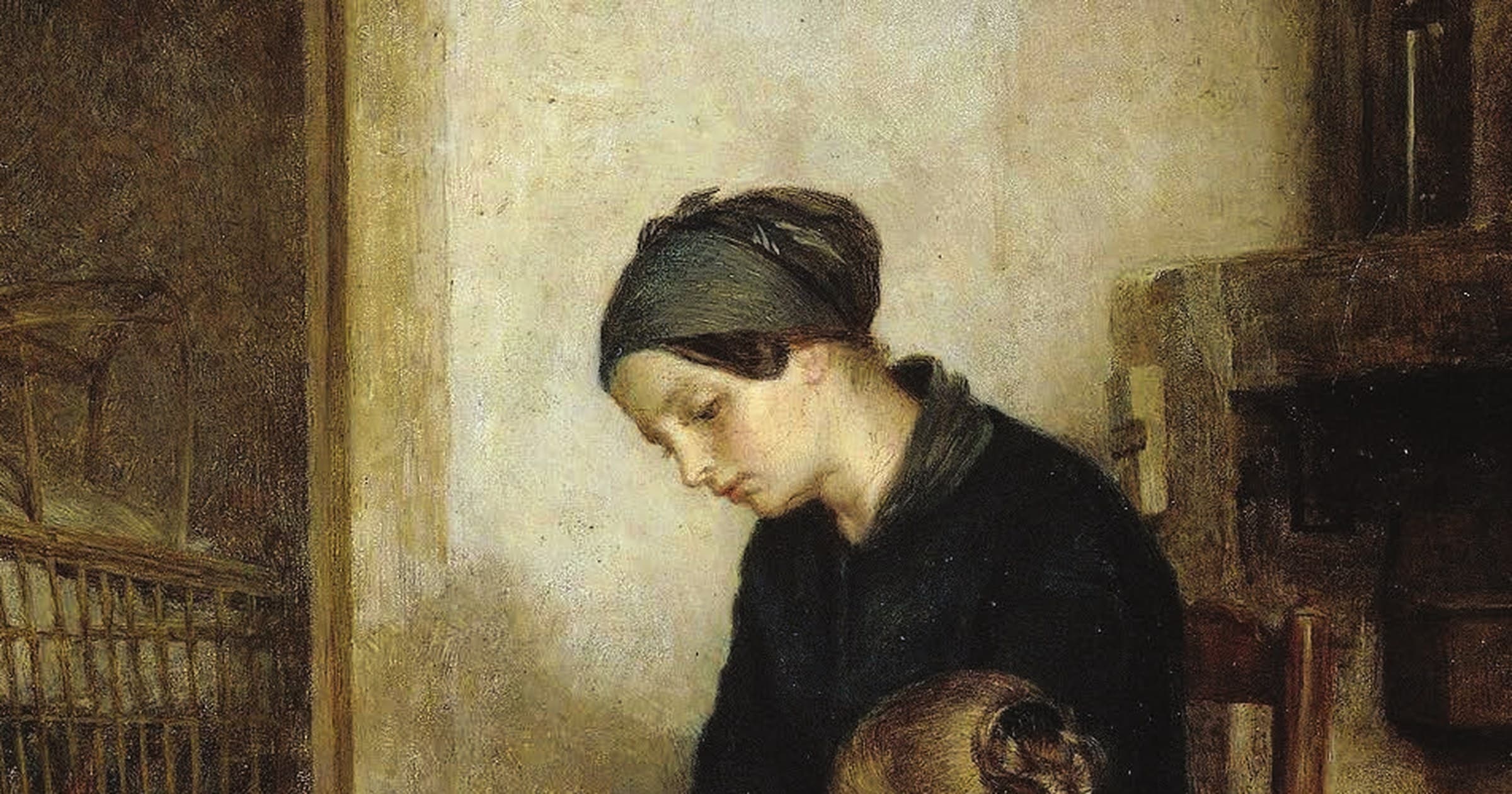
Germaine Cousin died in 1601 at the age of 22, and is the patroness of abuse victims, ugly people and the abandoned. From this, one can tell that her life was of great suffering; but it was also a beautiful life.

Germaine’s mother died early in her life; her father remarried, and the stepmother treated Germaine brutally. Germaine had
a deformed hand and suffered from scrofula – a swelling around the neck and face which caused open abscesses.

The stepmother suggested that Germaine be kept away from the home, to avoid infecting the other children. The little girl was sent to mind the sheep, and had to sleep in a stable or a bare room.
Stale bread and water were her sustenance; there are also accounts of the stepmother savagely beating or throwing boiling water over the girl. Germaine’s consolation was in prayer and in the local village church, where she became a daily Mass-goer. While she went to Mass, her sheep would huddle together and were providentially protected from the wolves nearby.

Attractive holiness
Germaine offered her sufferings, and the extra mortifications which she practised, as reparation for the sins of heretics. She had a particular devotion to the rosary.

Her radiant sanctity attracted other children, who would seek her out to hear her discuss the faith. Her father was also converted by Germaine’s prayer, sacrifice and witness: he intervened to stop the stepmother mistreating her.

Incorruptibility
In death, too, Germaine converted hearts. Her physical infirmities finally overcame her. The stepmother repented of her cruelty. Germaine became known for giving favours and healing people, and her body was incorrupt. Two centuries later, during the French Revolution, some anti-clerical thugs desecrated her body and threw it in the ground. But it remained incorrupt. She was canonised in 1867.

A difficult beginning
Germaine Cousin died in 1601 at the age of 22, and is the patroness of abuse victims, ugly people and the abandoned. From this, one can tell that her life was of great suffering; but it was also a beautiful life.

Germaine’s mother died early in her life; her father remarried, and the stepmother treated Germaine brutally. Germaine had
a deformed hand and suffered from scrofula – a swelling around the neck and face which caused open abscesses.

The stepmother suggested that Germaine be kept away from the home, to avoid infecting the other children. The little girl was sent to mind the sheep, and had to sleep in a stable or a bare room.
Stale bread and water were her sustenance; there are also accounts of the stepmother savagely beating or throwing boiling water over the girl. Germaine’s consolation was in prayer and in the local village church, where she became a daily Mass-goer. While she went to Mass, her sheep would huddle together and were providentially protected from the wolves nearby.

Attractive holiness
Germaine offered her sufferings, and the extra mortifications which she practised, as reparation for the sins of heretics. She had a particular devotion to the rosary.

Her radiant sanctity attracted other children, who would seek her out to hear her discuss the faith. Her father was also converted by Germaine’s prayer, sacrifice and witness: he intervened to stop the stepmother mistreating her.

Incorruptibility
In death, too, Germaine converted hearts. Her physical infirmities finally overcame her. The stepmother repented of her cruelty. Germaine became known for giving favours and healing people, and her body was incorrupt. Two centuries later, during the French Revolution, some anti-clerical thugs desecrated her body and threw it in the ground. But it remained incorrupt. She was canonised in 1867.

subscribe to
the catholic herald

Continue reading your article with a subscription.
Read 5 articles with our free plan.
Subscribe

subscribe to the catholic herald today

Our best content is exclusively available to our subscribers. Subscribe today and gain instant access to expert analysis, in-depth articles, and thought-provoking insights—anytime, anywhere. Don’t miss out on the conversations that matter most.
Subscribe