February 12, 2026

Saint of the Week: St Hugh of Grenoble (April 1)

Staff Reporter
More
Related
Min read
share

Son of an army officer
St Hugh of Grenoble was born in Châteauneuf-sur-Isère in 1053, the son of an army officer. He was well liked because of his bashful nature and, despite being a layman, was made a canon of Valence.

The Bishop of Die invited Hugh to serve his household. When Hugh was only 27, he accompanied the bishop to a synod in Avignon. The synod addressed a number of problems, including the corruption that had crept into the vacant episcopal see of Grenoble.

The synod decided that Hugh was the one person capable of reforming the diocese. Much to his surprise, he was unanimously elected bishop of the diocese. He reluctantly accepted the new role.
Addressed abuses
Having successfully addressed both clerical and lay abuses, Hugh approached Pope Gregory VII and asked permission to retire to a monastery. The pope allowed this for a time but then summoned Hugh. The saint told Pope Gregory that he did not want to go back to serving as a bishop, highlighting his personal shortcomings. The pope replied: “Granted, son, you can’t do anything; but you are a bishop and the sacrament can do everything.”

Fed the starving
Hugh obeyed and went on to serve Grenoble for 25 years. All the while, he was afflicted by headaches and stomach pain, which he never complained about.

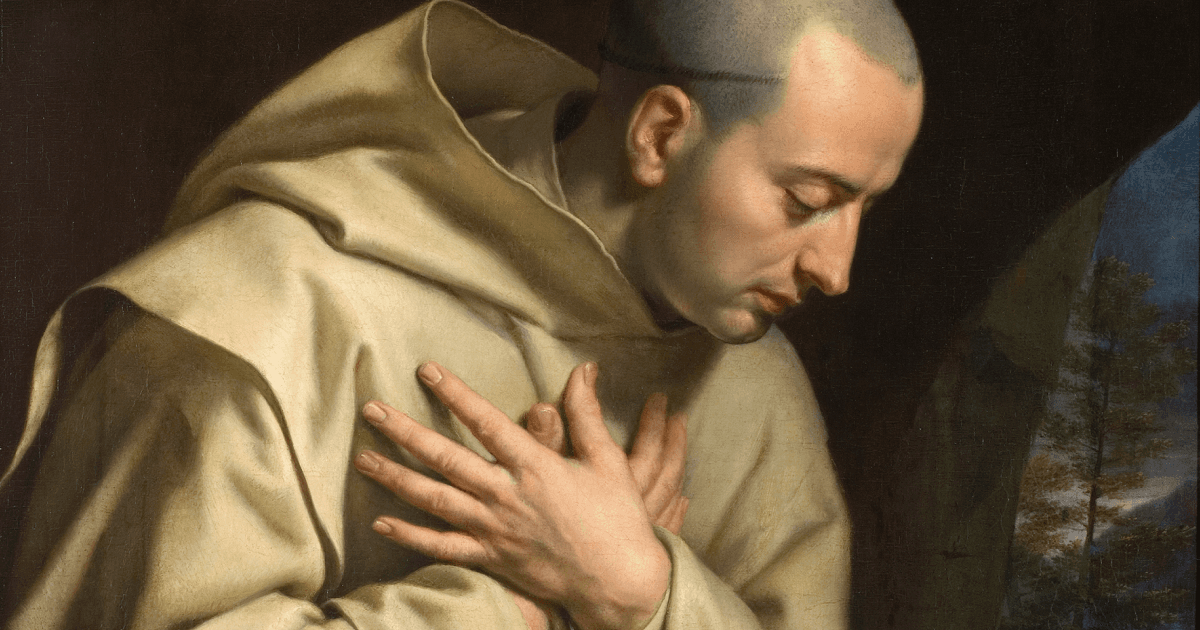
Hugh was totally dedicated to his people. When the area was struck by famine he sold church property to feed the starving and inspired wealthy people to do the same. His love of monastic life prompted him to give St Bruno land on which to build the Grande Chartreuse.

Hugh died on April 1, 1132, aged 79. He was canonised by Pope Innocent II just two years later.

Son of an army officer
St Hugh of Grenoble was born in Châteauneuf-sur-Isère in 1053, the son of an army officer. He was well liked because of his bashful nature and, despite being a layman, was made a canon of Valence.

The Bishop of Die invited Hugh to serve his household. When Hugh was only 27, he accompanied the bishop to a synod in Avignon. The synod addressed a number of problems, including the corruption that had crept into the vacant episcopal see of Grenoble.

The synod decided that Hugh was the one person capable of reforming the diocese. Much to his surprise, he was unanimously elected bishop of the diocese. He reluctantly accepted the new role.
Addressed abuses
Having successfully addressed both clerical and lay abuses, Hugh approached Pope Gregory VII and asked permission to retire to a monastery. The pope allowed this for a time but then summoned Hugh. The saint told Pope Gregory that he did not want to go back to serving as a bishop, highlighting his personal shortcomings. The pope replied: “Granted, son, you can’t do anything; but you are a bishop and the sacrament can do everything.”

Fed the starving
Hugh obeyed and went on to serve Grenoble for 25 years. All the while, he was afflicted by headaches and stomach pain, which he never complained about.

Hugh was totally dedicated to his people. When the area was struck by famine he sold church property to feed the starving and inspired wealthy people to do the same. His love of monastic life prompted him to give St Bruno land on which to build the Grande Chartreuse.

Hugh died on April 1, 1132, aged 79. He was canonised by Pope Innocent II just two years later.

subscribe to
the catholic herald

Continue reading your article with a subscription.
Read 5 articles with our free plan.
Subscribe

subscribe to the catholic herald today

Our best content is exclusively available to our subscribers. Subscribe today and gain instant access to expert analysis, in-depth articles, and thought-provoking insights—anytime, anywhere. Don’t miss out on the conversations that matter most.
Subscribe