
February 12, 2026

Saint of the week: Walburga (February 25)

Staff Reporter
More
Related
Min read
share

England's holiest family
St Walburga was born in Devonshire in 710, the daughter of St Richard the Pilgrim. Her brothers were St Winibald and St Willibald and her uncle was St Boniface, making her a member of one of the saintliest families in English history.

When Walburga was 11 she was entrusted to the care of the nuns at Wimborne Abbey after her father travelled to the Holy Land (he is buried in the Basilica of San Fredo, Lucca, where he died on pilgrimage in 722.).

Walburga remained at Wimborne Abbey in Dorset for 26 years and then went to Germany with her mother and brothers. While there they assisted St Boniface (her mother’s brother) in evangelising pagans.
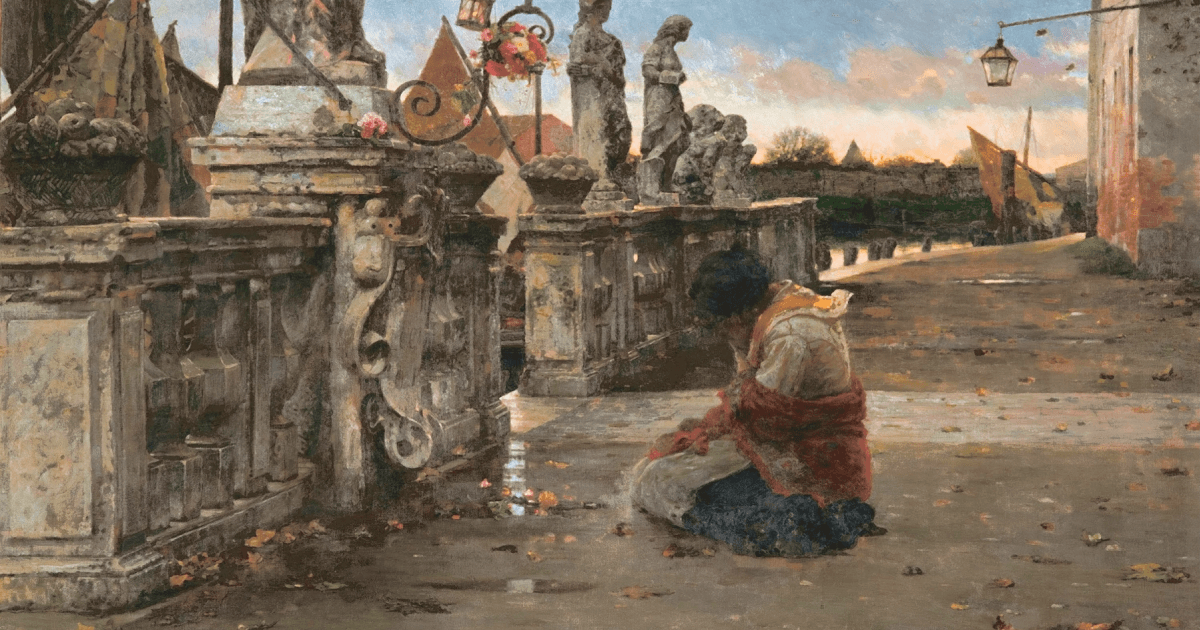
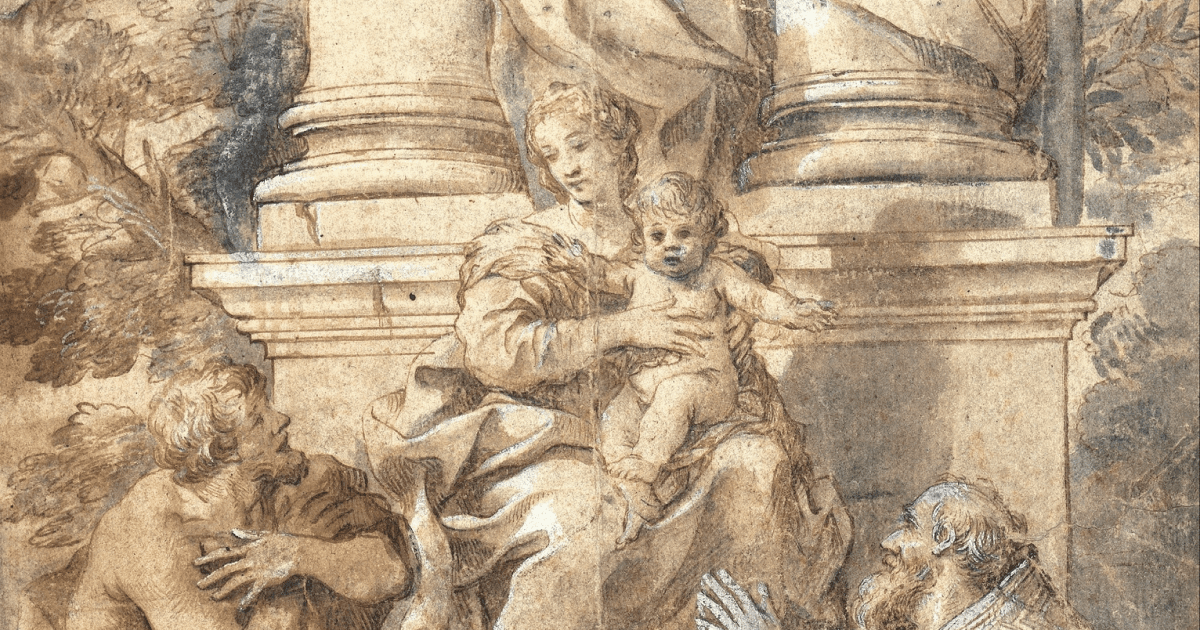
Walburga became a nun in a double monastery at Heidenheim am Hahnenkamm in Bavaria. The monastery was founded by her brother Willibald. Following his death in 751, Walburga succeeded her brother and became abbess of the monastery.

Healing oil
Walburga died on February 25 in 777 or 779 and was buried at Heidenheim. In the 1870s her relics were transferred to Eichstätt to be interred next to her brother’s at the Holy Cross Church. Warburga’s remains allegedly began to exude a miraculous healing oil which drew pilgrims to the shrine.

Folklaw dancing
She was canonised on May 1, 1870 by Pope Adrian II. Although her feast day is February 25, her canonisation day was also celebrated during the High Medieval Period under Anno II, Archbishop of Cologne. Therefore Walpurgis Night is celebrated on the eve of May Day, with folklore dancing.

Walpurga is invoked as special patroness against hydrophobia (fear of water brought on by rabies). She is also invoked in storms and by sailors.

England's holiest family
St Walburga was born in Devonshire in 710, the daughter of St Richard the Pilgrim. Her brothers were St Winibald and St Willibald and her uncle was St Boniface, making her a member of one of the saintliest families in English history.

When Walburga was 11 she was entrusted to the care of the nuns at Wimborne Abbey after her father travelled to the Holy Land (he is buried in the Basilica of San Fredo, Lucca, where he died on pilgrimage in 722.).

Walburga remained at Wimborne Abbey in Dorset for 26 years and then went to Germany with her mother and brothers. While there they assisted St Boniface (her mother’s brother) in evangelising pagans.
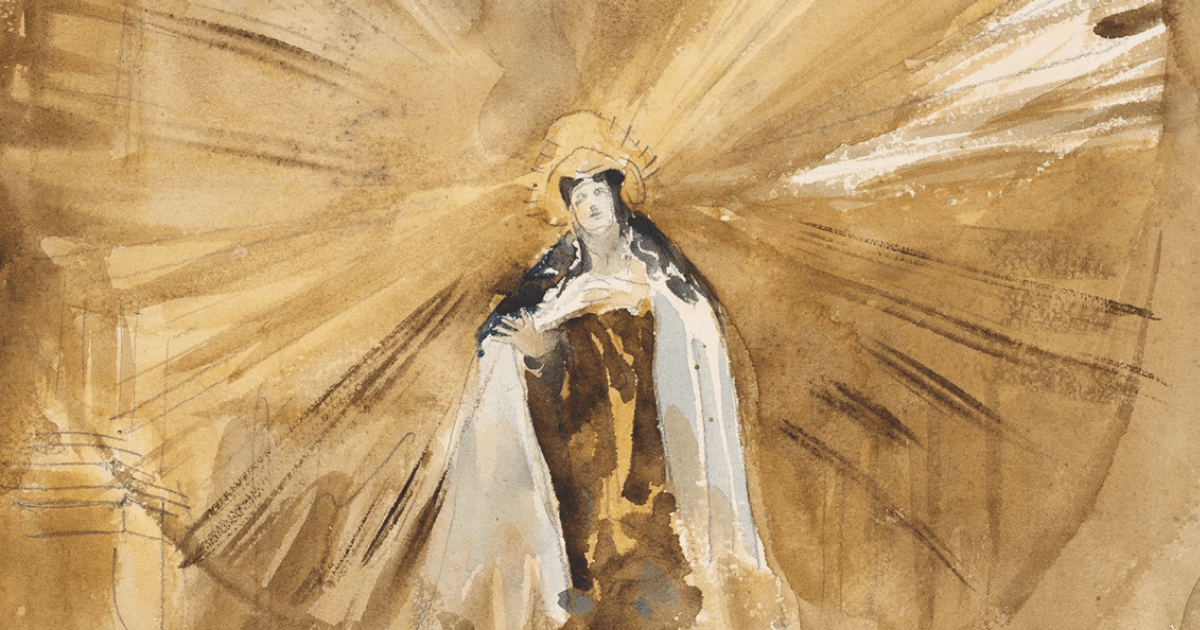
Walburga became a nun in a double monastery at Heidenheim am Hahnenkamm in Bavaria. The monastery was founded by her brother Willibald. Following his death in 751, Walburga succeeded her brother and became abbess of the monastery.

Healing oil
Walburga died on February 25 in 777 or 779 and was buried at Heidenheim. In the 1870s her relics were transferred to Eichstätt to be interred next to her brother’s at the Holy Cross Church. Warburga’s remains allegedly began to exude a miraculous healing oil which drew pilgrims to the shrine.

Folklaw dancing
She was canonised on May 1, 1870 by Pope Adrian II. Although her feast day is February 25, her canonisation day was also celebrated during the High Medieval Period under Anno II, Archbishop of Cologne. Therefore Walpurgis Night is celebrated on the eve of May Day, with folklore dancing.

Walpurga is invoked as special patroness against hydrophobia (fear of water brought on by rabies). She is also invoked in storms and by sailors.

subscribe to
the catholic herald

Continue reading your article with a subscription.
Read 5 articles with our free plan.
Subscribe

subscribe to the catholic herald today

Our best content is exclusively available to our subscribers. Subscribe today and gain instant access to expert analysis, in-depth articles, and thought-provoking insights—anytime, anywhere. Don’t miss out on the conversations that matter most.
Subscribe