


February 12, 2026

The bishops' language games are adding to the confusion

Christopher R. Altieri
More
Related
Min read
share

"Everybody lies” is the maxim of the fictional Dr Gregory House, deliciously played by Hugh Laurie in the television series House. The first few weeks of 2019 have not quite proven the maxim to be true, but they have left strong evidence that certain men in positions of high Church leadership have a hard time telling it straight.

That’s the sort of thing that creates what Pope Francis calls a “credibility gap” – if not a “truth deficit”. This is a problem for men whose first responsibility is to proclaim that Jesus is the Christ, God in the flesh, who died for our sins and rose from the dead.

In a secular age, it’s tough to convince anyone of this, and tougher still when the men whose mission in life is to proclaim the Good News have told you ­– either personally or through their appointed mouthpieces – certain other things that were pretty much the opposite of true in almost every meaningful sense, even if they weren’t technically lies.

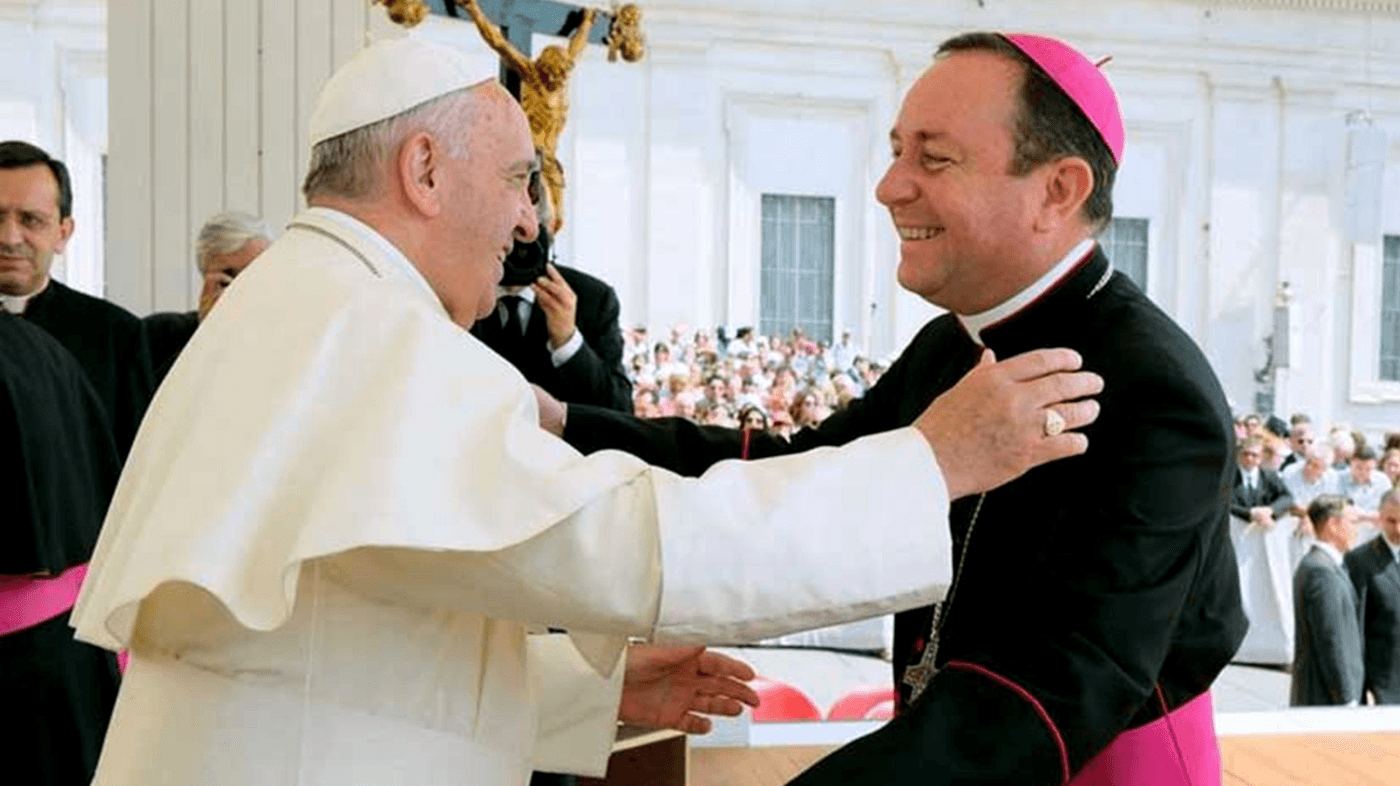
First, there was the spectacle of the Archbishop Emeritus of Washington, Cardinal Donald Wuerl, issuing a series of confusing statements regarding what he knew about his disgraced predecessor, Theodore McCarrick, and when he knew it. Then, reports emerged suggesting the Vatican played a similar game regarding the moment Curial authorities first received allegations about Argentina’s Bishop Gustavo Óscar Zanchetta’s behaviour towards seminarians of his diocese.

In Cardinal Wuerl’s case, the confusion was created by his insistence that, when denying he knew of allegations against McCarrick, he was only referring to alleged abuses involving minors. The problem is, those initial statements were made to journalists who were also covering McCarrick’s apparent penchant for seminarians; so the distinction was lost at the time. In one instance in which Wuerl made a statement of denial, his interviewer for the archdiocesan Catholic Standard newspaper made explicit reference to “settlements with adults” and “rumours or innuendos that were out there”.

Cardinal Wuerl later reinforced the confusion by saying that “Only afterwards was I reminded of the 14-year-old accusation of inappropriate conduct which, by that time, I had forgotten.”

In the Vatican’s case, the question turned on the statement: “No accusation of sexual abuse had emerged at the time of appointment to the position of assessor. The accusations of sexual abuse in fact date back to this fall .” The Vatican apparently had not received an accusation in the formal legal sense; in that sense, the statement that Holy See press office director Alessandro Gisotti sent to journalists on January 4 was accurate - though the former vicar general of Orán diocese where Zanchetta had been bishop told the AP he’d sent information about Zanchetta as early as 2015.

Both cases illustrate a way in which Church leaders escape corners into which they have painted themselves: precision.

Early Tuesday afternoon, Gisotti issued another statement in which he “resolutely” reaffirms the original, and refers to “some misleading constructions” but otherwise offers no further details.

“In reference to the articles published recently by several news sources, as well as to some misleading reconstructions,” Gisotti said, “I resolutely repeat what was stated this past January 4.” Gisotti went on to say, “In addition, I emphasise that the case is being studied and when this process is over, information will be forthcoming regarding the results.”

Whether it is Cardinal Wuerl denying he intended to deny all knowledge of his disgraced predecessor’s character and proclivities when he denied knowing about his penchant for minors; or the Vatican’s insistence that the Holy See had not yet received an “accusation” of abuse against Bishop Zanchetta at the time he was appointed assessor to the Administration of the Patrimony of the Holy See (APSA). The play seems to be to say the thing that is technically accurate, though generally misleading.

“The cardinal stands by those statements” regarding his knowledge of McCarrick’s perverse proclivities, “which were not intended to be imprecise,” the Archdiocese of Washington’s spokesman, Ed McFadden, told the Catholic News Agency.

The scandal of the thing is in the need thus to parse the words of a leading churchman in order to save him from a charge of mendacity. Whoever they are, if they simply told the whole truth from the start, we would not be where we are today.

In the very first paragraph of his recent letter to the bishops of the United States, Pope Francis says the current leadership crisis is in large part one of credibility, and goes on to use the term or its cognates a dozen more times. “Credibility is born of trust,” writes Francis, “and trust is born of sincere, daily, humble and generous service to all, but especially to those dearest to the Lord’s heart.”

That’s nice and neat, but credibility is just another word for trustworthiness, and trustworthiness comes from being frank, forthright, candid – in a word: honest. When it comes to credibility, there is no substitute for truth-telling.

"Everybody lies” is the maxim of the fictional Dr Gregory House, deliciously played by Hugh Laurie in the television series House. The first few weeks of 2019 have not quite proven the maxim to be true, but they have left strong evidence that certain men in positions of high Church leadership have a hard time telling it straight.

That’s the sort of thing that creates what Pope Francis calls a “credibility gap” – if not a “truth deficit”. This is a problem for men whose first responsibility is to proclaim that Jesus is the Christ, God in the flesh, who died for our sins and rose from the dead.
In a secular age, it’s tough to convince anyone of this, and tougher still when the men whose mission in life is to proclaim the Good News have told you ­– either personally or through their appointed mouthpieces – certain other things that were pretty much the opposite of true in almost every meaningful sense, even if they weren’t technically lies.

First, there was the spectacle of the Archbishop Emeritus of Washington, Cardinal Donald Wuerl, issuing a series of confusing statements regarding what he knew about his disgraced predecessor, Theodore McCarrick, and when he knew it. Then, reports emerged suggesting the Vatican played a similar game regarding the moment Curial authorities first received allegations about Argentina’s Bishop Gustavo Óscar Zanchetta’s behaviour towards seminarians of his diocese.

In Cardinal Wuerl’s case, the confusion was created by his insistence that, when denying he knew of allegations against McCarrick, he was only referring to alleged abuses involving minors. The problem is, those initial statements were made to journalists who were also covering McCarrick’s apparent penchant for seminarians; so the distinction was lost at the time. In one instance in which Wuerl made a statement of denial, his interviewer for the archdiocesan Catholic Standard newspaper made explicit reference to “settlements with adults” and “rumours or innuendos that were out there”.

Cardinal Wuerl later reinforced the confusion by saying that “Only afterwards was I reminded of the 14-year-old accusation of inappropriate conduct which, by that time, I had forgotten.”

In the Vatican’s case, the question turned on the statement: “No accusation of sexual abuse had emerged at the time of appointment to the position of assessor. The accusations of sexual abuse in fact date back to this fall .” The Vatican apparently had not received an accusation in the formal legal sense; in that sense, the statement that Holy See press office director Alessandro Gisotti sent to journalists on January 4 was accurate - though the former vicar general of Orán diocese where Zanchetta had been bishop told the AP he’d sent information about Zanchetta as early as 2015.

Both cases illustrate a way in which Church leaders escape corners into which they have painted themselves: precision.

Early Tuesday afternoon, Gisotti issued another statement in which he “resolutely” reaffirms the original, and refers to “some misleading constructions” but otherwise offers no further details.

“In reference to the articles published recently by several news sources, as well as to some misleading reconstructions,” Gisotti said, “I resolutely repeat what was stated this past January 4.” Gisotti went on to say, “In addition, I emphasise that the case is being studied and when this process is over, information will be forthcoming regarding the results.”

Whether it is Cardinal Wuerl denying he intended to deny all knowledge of his disgraced predecessor’s character and proclivities when he denied knowing about his penchant for minors; or the Vatican’s insistence that the Holy See had not yet received an “accusation” of abuse against Bishop Zanchetta at the time he was appointed assessor to the Administration of the Patrimony of the Holy See (APSA). The play seems to be to say the thing that is technically accurate, though generally misleading.

“The cardinal stands by those statements” regarding his knowledge of McCarrick’s perverse proclivities, “which were not intended to be imprecise,” the Archdiocese of Washington’s spokesman, Ed McFadden, told the Catholic News Agency.

The scandal of the thing is in the need thus to parse the words of a leading churchman in order to save him from a charge of mendacity. Whoever they are, if they simply told the whole truth from the start, we would not be where we are today.

In the very first paragraph of his recent letter to the bishops of the United States, Pope Francis says the current leadership crisis is in large part one of credibility, and goes on to use the term or its cognates a dozen more times. “Credibility is born of trust,” writes Francis, “and trust is born of sincere, daily, humble and generous service to all, but especially to those dearest to the Lord’s heart.”

That’s nice and neat, but credibility is just another word for trustworthiness, and trustworthiness comes from being frank, forthright, candid – in a word: honest. When it comes to credibility, there is no substitute for truth-telling.

subscribe to
the catholic herald

Continue reading your article with a subscription.
Read 5 articles with our free plan.
Subscribe

subscribe to the catholic herald today

Our best content is exclusively available to our subscribers. Subscribe today and gain instant access to expert analysis, in-depth articles, and thought-provoking insights—anytime, anywhere. Don’t miss out on the conversations that matter most.
Subscribe