July 13, 2026

SSPX says rejecting consecrations would have meant accepting Vatican II

The Catholic Herald
More
Related
Min read
share

The Society of St Pius X (SSPX) has said that if it had not carried out the July 1 consecrations, it would either disappear or would have to accept what it called the “false doctrines of Vatican II.”

In a July 8 explanatory statement setting out its case for why the Society does not recognise the recent Vatican excommunications, the SSPX has declared it was facing an “inevitable alternative: either to disappear gradually, or to accept, at least in fact, the new liturgy as well as the false doctrines of Vatican II and the post-council.”
The Society stated that, without the consecrations, it would have found itself without bishops because of the age of Bishop Alfonso de Galarreta, 69, and Bishop Bernard Fellay, 68.

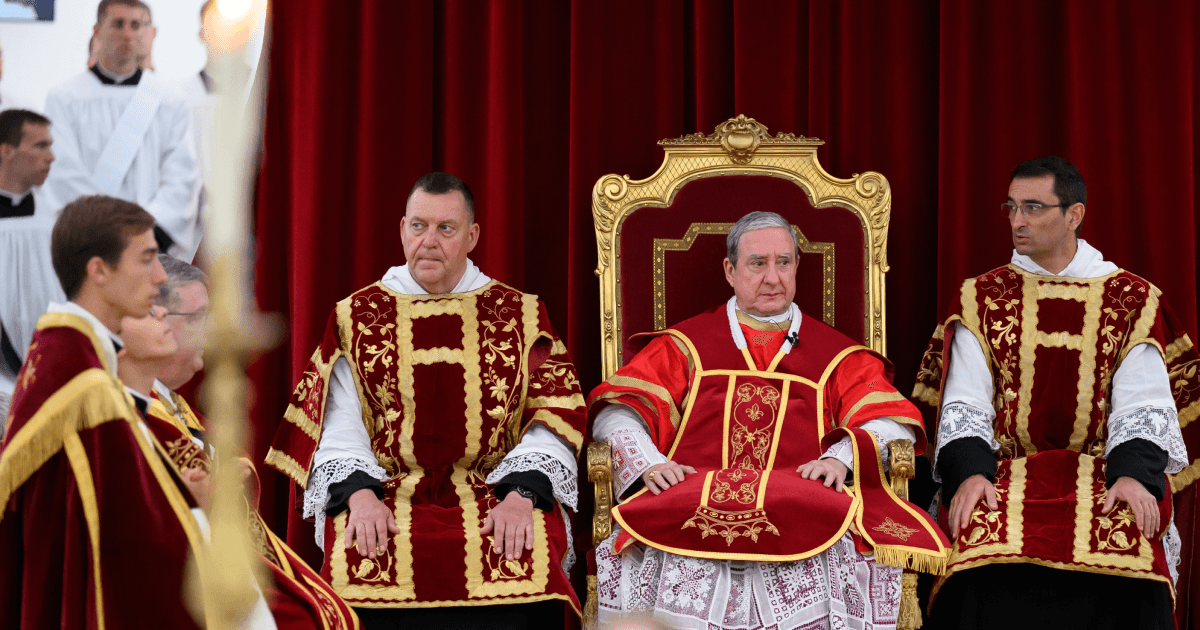
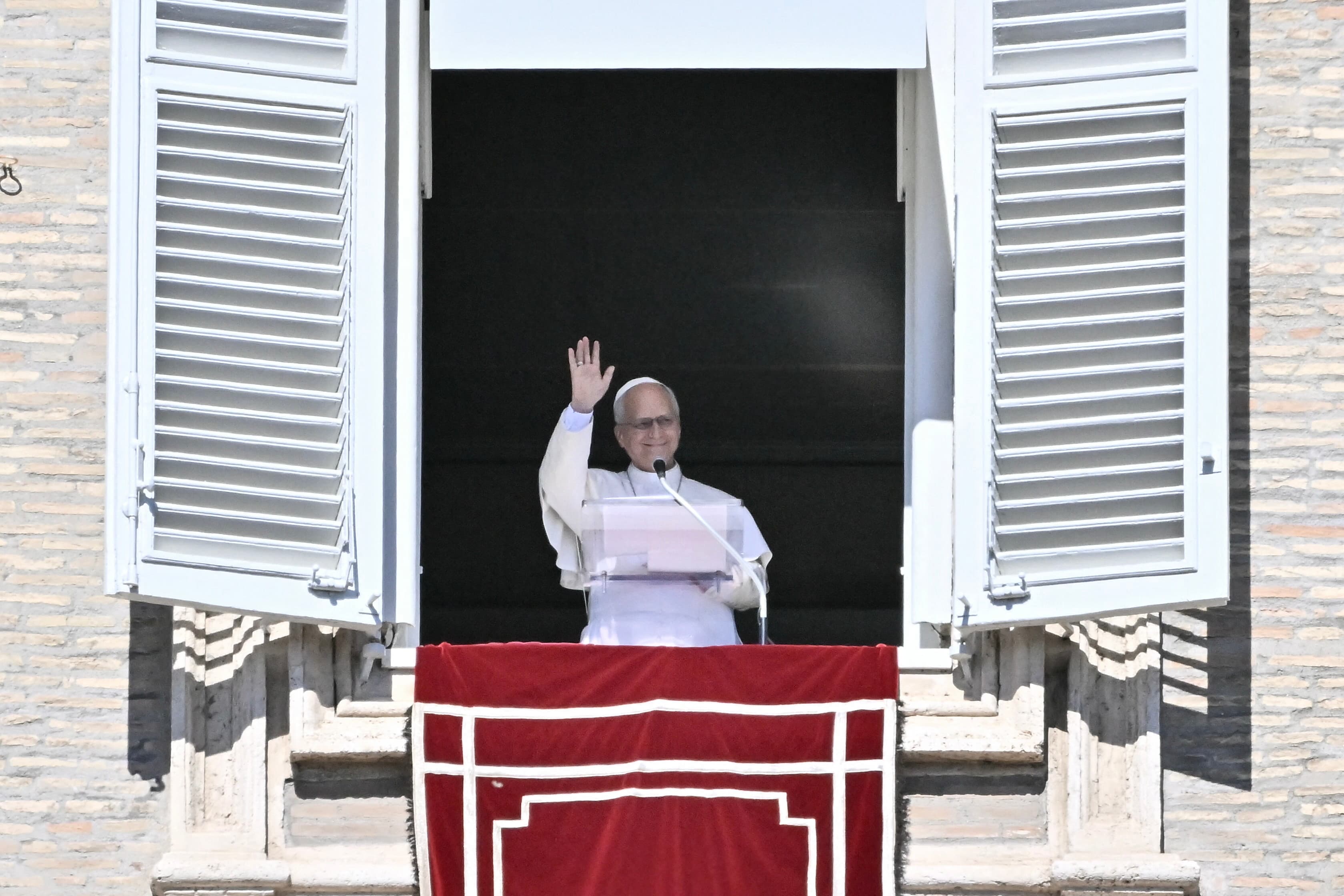
Pope Leo XIV had appealed to the Society to abandon its plans for what he called “a schismatic act of extreme gravity”. However, the episcopate was conferred on four priests by the SSPX at Écône, Switzerland, on July 1, resulting in a Vatican decree of excommunication against the Society the following day.

The Society stated: “Without bishops, there would be no more priestly ordinations; without ordinations, no more priests; and, in the long run, no more traditional Mass, no more traditional sacraments, no more comprehensive teaching of Catholic doctrine.

“The only alternative would have been to request bishops from Rome, to have priests ordained by diocesan bishops, or to send the faithful to parish priests. However, each of these solutions would have implied accepting, at least practically, the false doctrines of the Council and the post-conciliar period.”

The Society justified its position by pointing to the Dicastery for the Doctrine of the Faith’s (DDF) requirement that those attached to the SSPX who wish to return to communion with Rome sign a declaration affirming their acceptance of Vatican II.

The Society's statement continued: “Consequently, without episcopal consecrations, the Fraternity would have been forced to accept doctrines such as religious freedom, ecumenism, collegiality, the illicitness of the death penalty, the possibility for divorced and remarried people to receive communion, or the blessing of homosexual couples; or, at the very least, to agree not to criticise them publicly.”

The resulting excommunications have prompted some bishops, such as Bishop Fredrik Hansen of Oslo, to announce their intention to provide more Traditional Latin Masses in order to accommodate those devoted to the old rite. Other dioceses have suppressed it.

Both Cardinal Antonio María Rouco Varela, Archbishop Emeritus of Madrid, and the former Personal Secretary to Pope Benedict XVI, Archbishop Georg Gänswein, last week called for the Vatican to lift the restrictions on the Traditional Latin Mass.

Continue reading with a free account

Create a free account to read up to five articles each month
Create free account

You have # free articles remaining this month.

Subscribe to get unlimited access.
Sign up

subscribe to the catholic herald today

Our best content is exclusively available to our subscribers. Subscribe today and gain instant access to expert analysis, in-depth articles, and thought-provoking insights—anytime, anywhere. Don’t miss out on the conversations that matter most.
Subscribe