

May 3, 2026

St Asaph: an elusive Welsh saint

Andrew Cusack
More
Related
Min read
share

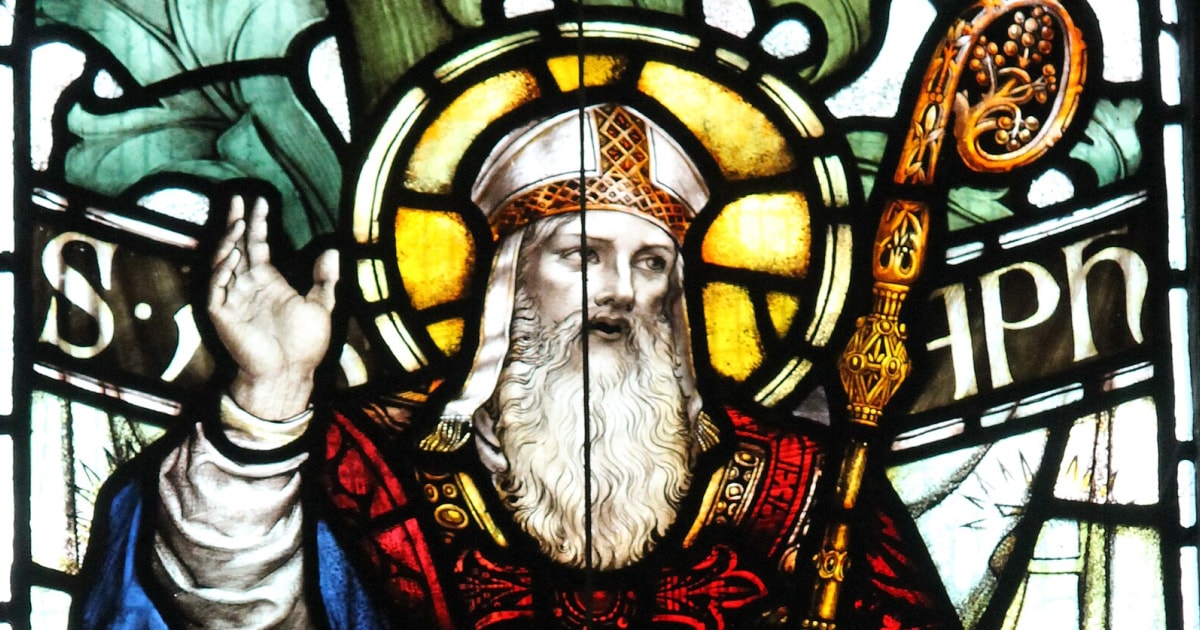
SAINT OF THE WEEK: St Asaph – 5 May

Saints often beget saintly circles around them, and it was in the 6th-century milieu of St Mungo – also called Kentigern – that we first find mention of a man named Asaph. When the wicked King Morken was stirring up trouble against the Christians of Strathclyde, Mungo fled to Wales, where he founded a monastery at a place called Llanelwy (literally ‘the church on the river Elwy’).

Mungo was given to putting himself to rather severe tests, including saying his prayers while standing in the icy cold river. Asaph attended to him, and the older saint requested that he bring a burning piece of wood to help warm him once his riverine prayers were completed. Instead, Asaph arrived bearing a pile of live burning coals in his unburnt and untarnished apron, miraculously.
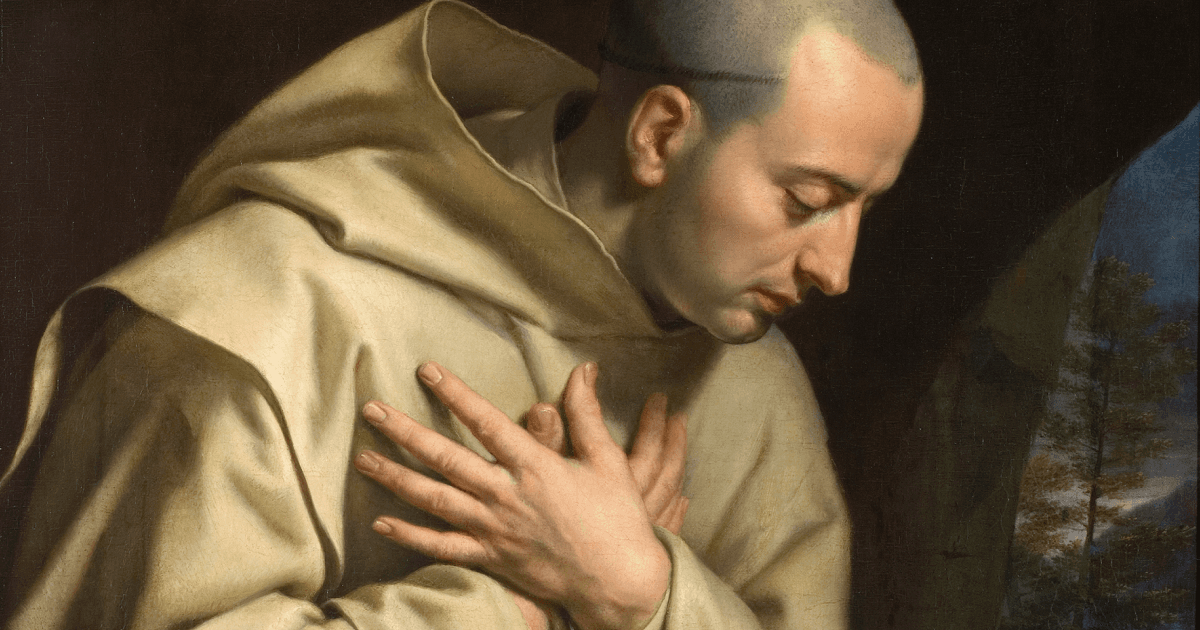
When things calmed down back in Strathclyde, Mungo – the first bishop of Glasgow – needed to return to his see, and consecrated Asaph as the bishop of Llanelwy to oversee the monastery and its surrounding souls. Over time, the town gradually adopted the name of St Asaph, as it is known today. It sits between Denbigh and Rhyl, not far from the Jesuit retreat centre at St Beuno’s.

A remarkable amount of early literature in the Welsh language survives, largely thanks to the monastic tradition that Mungo and Asaph fostered. It is somewhat disappointing, then, that no Welsh life of Asaph has ever been discovered. His existence is affirmed by contextual evidence and tradition, but we know very little about his story beyond the cult of veneration that immediately grew around him. Most of what little we know about this saint comes not from any work about him, but from the life of St Mungo written by Jocelyn of Furness in the 12th century.

The villages of Llanasa (‘Asaph’s church’) and Pantasaph (‘Asaph’s hollow’) are also named after him. In the Victorian period, St David’s Church in Pantasaph was built by Louisa Pennant, the heiress of the family that had bought the former monastic lands in the vicinity after the Dissolution of the Monasteries. She married Viscount Fielding, the heir to the 7th Earl of Denbigh, and both converted to Catholicism – bringing St David’s Church with them. Pugin was brought in to Catholicise what had been an Anglican place of worship, and designed the high altar, pulpit, baptismal font and some of the decorations in the Lady Chapel. Some decades later, the poet and Catholic mystic Francis Thompson – of ‘The Hound of Heaven’ fame – spent some time at Pantasaph recovering from one of his typical illnesses.

In England and Wales, the location of a cathedral is traditionally considered sufficient to grant the community in which it is situated city status. At just some 3,400 residents, St Asaph is therefore the second-smallest ‘city’ in the United Kingdom, after its fellow Welsh see of St Davids with just 1,800 inhabitants.

Continue reading with a free account

Create a free account to read up to five articles each month
Create free account

You have # free articles remaining this month.

Subscribe to get unlimited access.
Sign up

subscribe to the catholic herald today

Our best content is exclusively available to our subscribers. Subscribe today and gain instant access to expert analysis, in-depth articles, and thought-provoking insights—anytime, anywhere. Don’t miss out on the conversations that matter most.
Subscribe