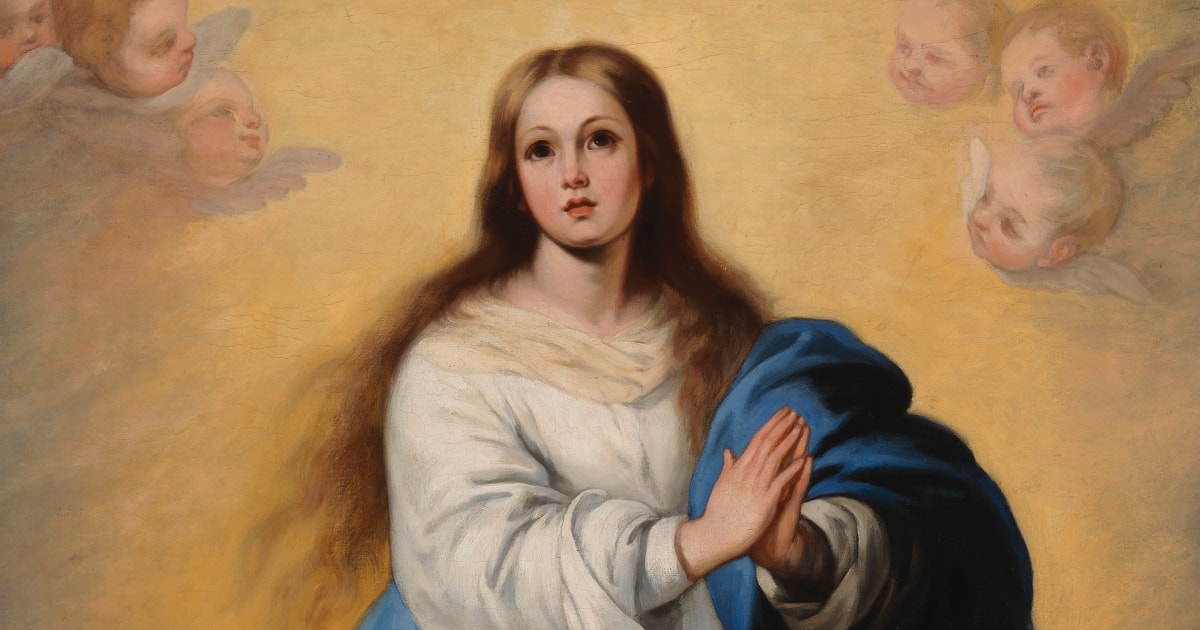


The Catholic Church traditionally dedicates the month of May to the Blessed Virgin Mary, Mother of God and spiritual mother of all Christians.
This devotion is not a sentimental addition to the Faith, nor a pious custom detached from doctrine. It belongs to the Church’s contemplation of Christ. Mary is honoured because of her unique place in the mystery of the Incarnation: she is the Virgin of Nazareth who, by her fiat, became the Mother of the Redeemer.
Pope Benedict XVI repeatedly insisted that authentic Marian devotion is inseparable from Scripture and from the mystery of Christ. Preaching on the Assumption, he said that in praising Mary the Church had not invented something “adjacent” to Scripture, but was responding to Mary’s own prophecy in the Magnificat: “Henceforth all generations will call me blessed.”
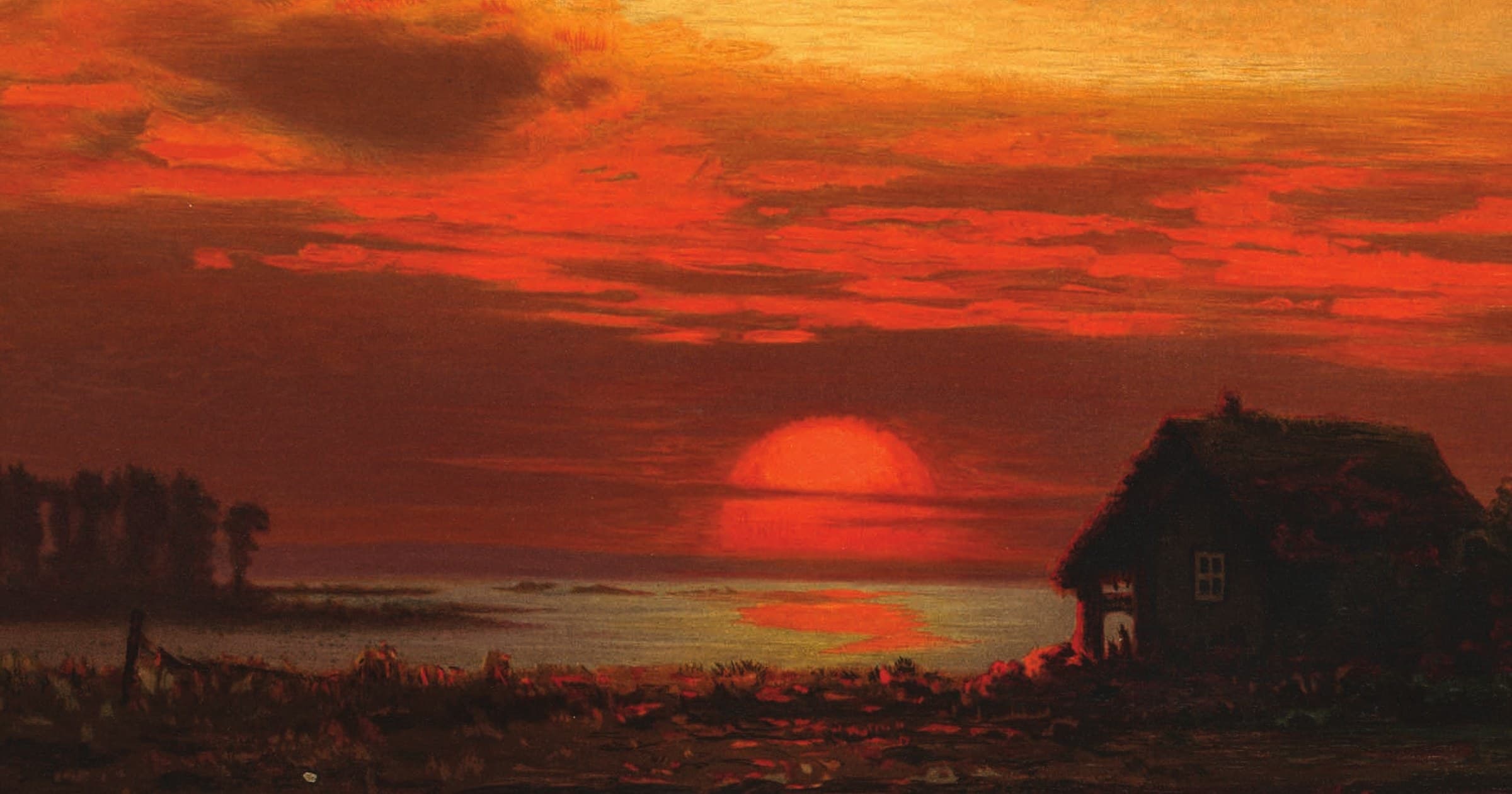
That is why May belongs so naturally to Our Lady. In the springtime of the liturgical year, Catholics turn to the one in whom the new creation first appeared. Preserved from Original Sin, overshadowed by the Holy Spirit and united more intimately to Christ than any other creature, Mary shows what grace can do in a human soul fully open to God.
The title Mother of God is central to this devotion. Benedict recalled that the Council of Ephesus in 431 solemnly confirmed the legitimacy of calling the Virgin Mary Theotokos, Mother of God, because the child she bore was truly the eternal Son made flesh. Marian devotion therefore safeguards the truth about Christ: the one born of Mary is not merely a holy man, but God incarnate.
The Church’s love for Mary is also love for the Church’s own mystery. In Mary, the Church sees herself as she is called to be: hearing the Word, receiving it in faith and bearing Christ to the world. The Catechism of the Catholic Church teaches that Marian prayer, especially the rosary, expresses devotion to the Virgin Mary while fostering adoration of the Father, Son and Holy Spirit. It also presents Mary as the image of what the Church already is in mystery and what she will be at the end of her pilgrimage.
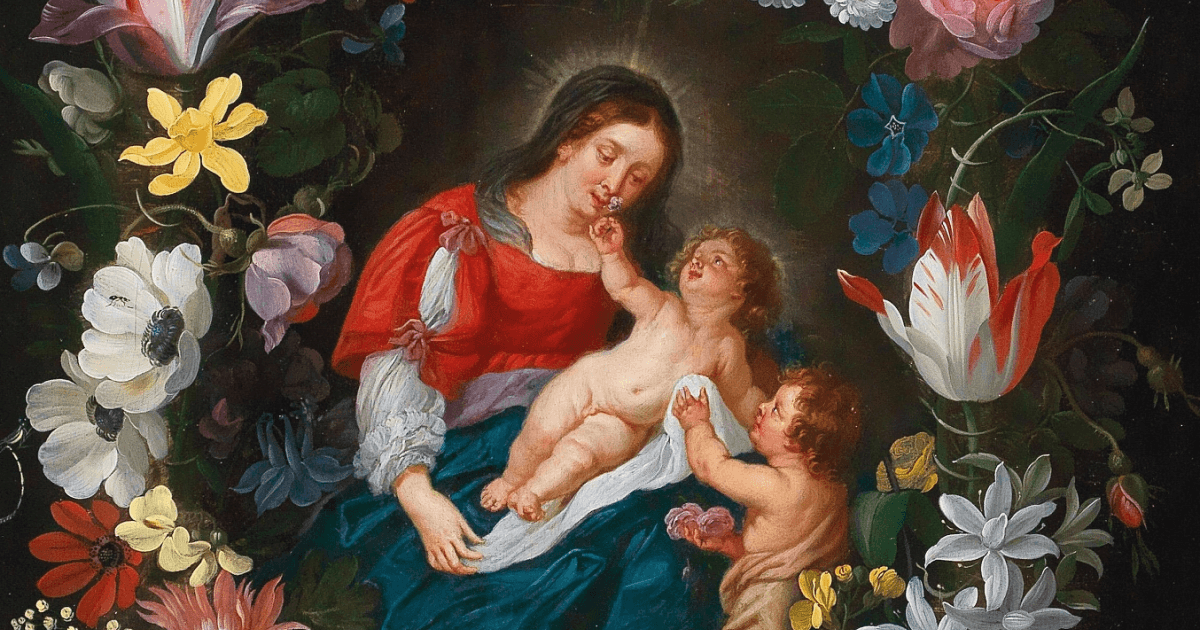
May devotion has long been expressed in simple and beautiful forms: the rosary, Marian hymns, processions, May crownings and prayer before an image of Our Lady. Such practices are not distractions from Christ. Properly understood, they school the Christian heart in humility and obedience.
Benedict described Mary as the “Star of Hope”, the one whose yes allowed the hope of the ages to enter history. In Spe salvi, and again on the Feast of the Immaculate Conception, he presented her as a light on the Church’s journey, shining with Christ’s light and guiding the faithful towards him.
Mary’s life passes through poverty, exile, obscurity and the Cross. She stands beside her Son at Calvary, receives his beloved disciple as her son and remains with the Church in prayer. Her motherhood is therefore not confined to Bethlehem. It extends to the whole Body of Christ.
For this reason, Catholic devotion calls her Our Lady, not as a rival to Christ but as the mother who brings her children to him. The rosary, so closely associated with May, is Christological in its very structure: it contemplates the mysteries of the Lord through the eyes and heart of his Mother.
The month of May therefore invites Catholics to enter Mary’s school of faith: to listen, to receive, to ponder and to obey. The Christian who turns to Mary is not moving away from the Gospel, but deeper into it.


.jpg)