March 18, 2026

Ted Cruz launches bizarre attack on Catholic integralism

Thomas Edwards
More
Related
Min read
share

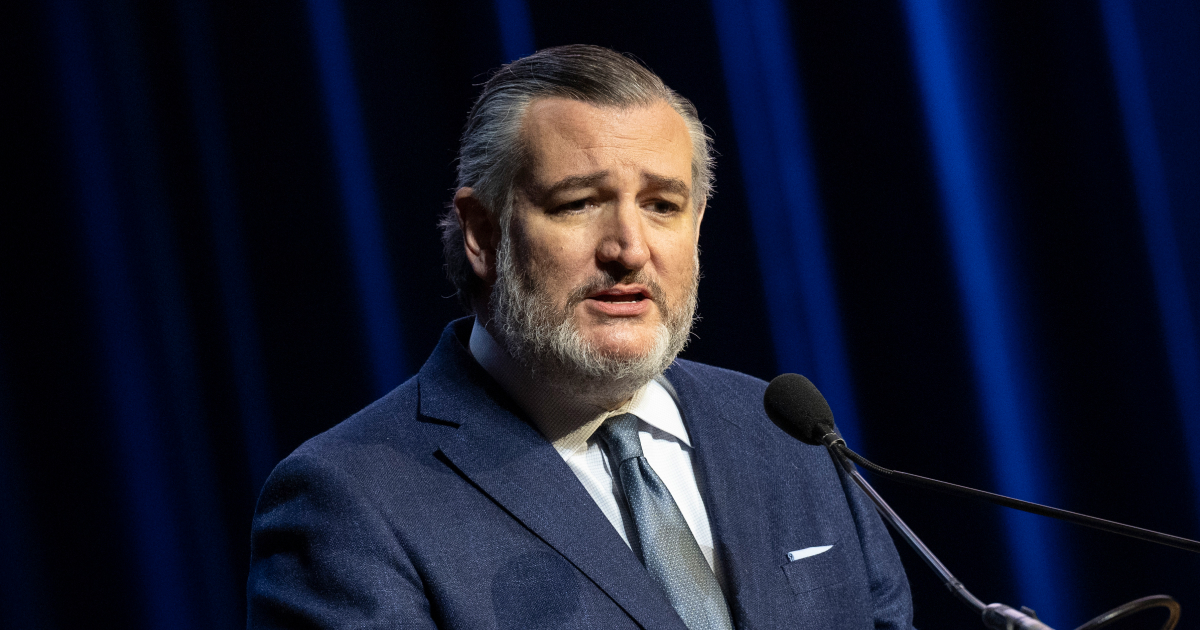
Senator Ted Cruz of Texas has caused controversy among Catholics after reposting an 8,000-word essay that blames the influence of Catholic integralist and nationalist ideology for undermining the political Right in America, particularly by weakening evangelical support for Israel.

“Read every word of this,” Cruz implored his followers, stating that “it’s the best and most comprehensive explanation of what we’re fighting.” The post, written under the X handle @DefiyantlyFree, an account with more than a million followers, has already been viewed more than 500,000 times.

The essay attacks various individuals across the American Right, calling Tucker Carlson “the most powerful anti-evangelical media voice in America”, criticising Candace Owens for turning her platform “into a vehicle for anti-Protestant messaging”, and accusing Catholic Answers of “targeting young evangelical men by attacking sola scriptura”.

The post is particularly critical of traditionalist Catholic movements, notably the Society of Saint Pius X (SSPX), with its founder, Archbishop Marcel Lefebvre, described as “a bishop who openly expressed sympathy for the Vichy government”.

The document also aligns the Society with Nick Fuentes, the online commentator and host of America First. It states that “Catholicism — specifically the SSPX-adjacent traditionalist Catholicism the Vatican has repeatedly disciplined — is at the heart of his presentation”.

Fuentes, and the Groyper movement he leads, are known to be Catholic, but they often reject the Latin Mass and its associated communities. Fuentes himself is generally believed to attend the Novus Ordo. Connor Estelle, known online as “Pinesap” and one of the most recognisable Groypers, has publicly stated that while Fuentes has attended the Traditional Latin Mass on occasion, he normally attends his local parish. Estelle also confirmed that he did the same. Fuentes has described the SSPX as “tending towards schism” and accused them of “thinking that they are better”.

While the post is filled with attacks on institutions and individuals, its central claim is that Catholic integralism poses a direct threat to America and to what it calls “Christian Zionism”. Catholic integralism, a school of thought that advocates a state formally aligned with Catholic teaching and opposed to the separation of Church and state, has a long history within the Church, beginning with Armenia, traditionally regarded as the first Christian state in AD 301.

In medieval Christendom and in states across Europe in the 17th and 18th centuries, this model was common in Catholic-majority countries. The Polish–Lithuanian Commonwealth, France, the Italian states, Spain, Portugal and territories under the Habsburg Monarchy all operated on the assumption that the state supported the Catholic religion, affording it a privileged place in public life and adhering to its moral framework.

It was not until the Enlightenment and the French Revolution that the concept required explicit articulation. Nineteenth-century liberalism emphasised freedom of religion and the separation of Church and state as guiding principles of government, leading Pope Pius IX in 1864 to state that it was incorrect to claim that “the Church ought to be separated from the State, and the State from the Church.” Pope Leo XIII later addressed the same principle in Immortale Dei, stating that “it is not lawful for the State, any more than for the individual, either to disregard all religious duties or to hold in equal favour different kinds of religion”.

The name of the school of thought emerged when Ramón Nocedal, a Spanish writer, founded the Partido Integrista in 1888. A splinter group of the Carlist party, the movement based its doctrine on the Syllabus of Errors and rejected the liberalism that had spread across much of Europe. The term integralism later appeared in movements such as France’s Action Française and Italy’s Sodalitium Pianum.

However, the ideology did not call for “an unelected clerical class” to rule society, as the post claims. Rather, it proposes that the state should be subordinate to the Church in moral matters, while remaining distinct in temporal governance.

The post also accuses parts of Catholicism of being anti-Semitic or opposed to “Christian Zionism”. In relation to Zionism, it is accurate that the Catholic Church has historically not endorsed it. Pope St Pius X’s 1904 audience with Theodor Herzl illustrates this position: the Pope stated that while Jews could settle in Jerusalem, the Church could not support the establishment of a Jewish state.

Subsequent Vatican diplomacy maintained a cautious approach, particularly during and after the Second World War, when plans for a Jewish homeland gained momentum. The Vatican expressed concerned about arrangements in Palestine that might affect Christian custodianship of the holy sites.

After 1948, the Catholic position developed from theological opposition towards political accommodation. Pope Pius XII resisted early recognition of Israel, but under Pope John XXIII a more open approach began to emerge. This developed over time into formal diplomatic relations.

The 1993 Vatican–Israel agreement marked a recognition of political reality rather than a theological endorsement of Zionism. Later agreements with the Palestine Liberation Organization expressed the Holy See’s position in favour of a negotiated settlement. In 2015, Pope Francis reaffirmed support for coexistence between two sovereign states.

The author also presents Evangelical Christianity as inherently tied to Zionism, describing it as “the theological justification for the U.S.-Israel alliance”. It is possible, however, to oppose anti-Semitism while also questioning aspects of political Zionism, a distinction not recognised in the post.

Pope Pius XI, while not supportive of political Zionism, nevertheless stated that anti-Semitism was “incompatible” with Catholicism and that “we Christians can have nothing to do with it”.

The post further suggests that adherence to a “pre-Vatican II political theology” is inconsistent with ordinary American Catholicism, implying a change in the Church’s moral teaching. It also echoes recent comments by the pastor Douglas Wilson, who claimed that American Catholicism has become “Protestantised” and therefore less of a challenge to a hypothetical Protestant state.

Cruz himself is a Southern Baptist, but has previously defended Catholics, including those described as “traditionalist”. In 2023, Cruz responded to an FBI memorandum identifying “traditionalist Catholics” as potential domestic violent extremists, stating that “the FBI’s rabid obsession with undermining peaceful, faithful, practising Catholics is mind-boggling”. Ironically, the memorandum focused in part on groups associated with the SSPX, the main cause of concern identified in the memo, which Cruz describes as a “comprehensive explanation of what we’re fighting.”

Senator Ted Cruz of Texas has caused controversy among Catholics after reposting an 8,000-word essay that blames the influence of Catholic integralist and nationalist ideology for undermining the political Right in America, particularly by weakening evangelical support for Israel.

“Read every word of this,” Cruz implored his followers, stating that “it’s the best and most comprehensive explanation of what we’re fighting.” The post, written under the X handle @DefiyantlyFree, an account with more than a million followers, has already been viewed more than 500,000 times.

The essay attacks various individuals across the American Right, calling Tucker Carlson “the most powerful anti-evangelical media voice in America”, criticising Candace Owens for turning her platform “into a vehicle for anti-Protestant messaging”, and accusing Catholic Answers of “targeting young evangelical men by attacking sola scriptura”.

The post is particularly critical of traditionalist Catholic movements, notably the Society of Saint Pius X (SSPX), with its founder, Archbishop Marcel Lefebvre, described as “a bishop who openly expressed sympathy for the Vichy government”.

The document also aligns the Society with Nick Fuentes, the online commentator and host of America First. It states that “Catholicism — specifically the SSPX-adjacent traditionalist Catholicism the Vatican has repeatedly disciplined — is at the heart of his presentation”.

Fuentes, and the Groyper movement he leads, are known to be Catholic, but they often reject the Latin Mass and its associated communities. Fuentes himself is generally believed to attend the Novus Ordo. Connor Estelle, known online as “Pinesap” and one of the most recognisable Groypers, has publicly stated that while Fuentes has attended the Traditional Latin Mass on occasion, he normally attends his local parish. Estelle also confirmed that he did the same. Fuentes has described the SSPX as “tending towards schism” and accused them of “thinking that they are better”.

While the post is filled with attacks on institutions and individuals, its central claim is that Catholic integralism poses a direct threat to America and to what it calls “Christian Zionism”. Catholic integralism, a school of thought that advocates a state formally aligned with Catholic teaching and opposed to the separation of Church and state, has a long history within the Church, beginning with Armenia, traditionally regarded as the first Christian state in AD 301.

In medieval Christendom and in states across Europe in the 17th and 18th centuries, this model was common in Catholic-majority countries. The Polish–Lithuanian Commonwealth, France, the Italian states, Spain, Portugal and territories under the Habsburg Monarchy all operated on the assumption that the state supported the Catholic religion, affording it a privileged place in public life and adhering to its moral framework.

It was not until the Enlightenment and the French Revolution that the concept required explicit articulation. Nineteenth-century liberalism emphasised freedom of religion and the separation of Church and state as guiding principles of government, leading Pope Pius IX in 1864 to state that it was incorrect to claim that “the Church ought to be separated from the State, and the State from the Church.” Pope Leo XIII later addressed the same principle in Immortale Dei, stating that “it is not lawful for the State, any more than for the individual, either to disregard all religious duties or to hold in equal favour different kinds of religion”.

The name of the school of thought emerged when Ramón Nocedal, a Spanish writer, founded the Partido Integrista in 1888. A splinter group of the Carlist party, the movement based its doctrine on the Syllabus of Errors and rejected the liberalism that had spread across much of Europe. The term integralism later appeared in movements such as France’s Action Française and Italy’s Sodalitium Pianum.

However, the ideology did not call for “an unelected clerical class” to rule society, as the post claims. Rather, it proposes that the state should be subordinate to the Church in moral matters, while remaining distinct in temporal governance.

The post also accuses parts of Catholicism of being anti-Semitic or opposed to “Christian Zionism”. In relation to Zionism, it is accurate that the Catholic Church has historically not endorsed it. Pope St Pius X’s 1904 audience with Theodor Herzl illustrates this position: the Pope stated that while Jews could settle in Jerusalem, the Church could not support the establishment of a Jewish state.

Subsequent Vatican diplomacy maintained a cautious approach, particularly during and after the Second World War, when plans for a Jewish homeland gained momentum. The Vatican expressed concerned about arrangements in Palestine that might affect Christian custodianship of the holy sites.

After 1948, the Catholic position developed from theological opposition towards political accommodation. Pope Pius XII resisted early recognition of Israel, but under Pope John XXIII a more open approach began to emerge. This developed over time into formal diplomatic relations.

The 1993 Vatican–Israel agreement marked a recognition of political reality rather than a theological endorsement of Zionism. Later agreements with the Palestine Liberation Organization expressed the Holy See’s position in favour of a negotiated settlement. In 2015, Pope Francis reaffirmed support for coexistence between two sovereign states.

The author also presents Evangelical Christianity as inherently tied to Zionism, describing it as “the theological justification for the U.S.-Israel alliance”. It is possible, however, to oppose anti-Semitism while also questioning aspects of political Zionism, a distinction not recognised in the post.

Pope Pius XI, while not supportive of political Zionism, nevertheless stated that anti-Semitism was “incompatible” with Catholicism and that “we Christians can have nothing to do with it”.

The post further suggests that adherence to a “pre-Vatican II political theology” is inconsistent with ordinary American Catholicism, implying a change in the Church’s moral teaching. It also echoes recent comments by the pastor Douglas Wilson, who claimed that American Catholicism has become “Protestantised” and therefore less of a challenge to a hypothetical Protestant state.

Cruz himself is a Southern Baptist, but has previously defended Catholics, including those described as “traditionalist”. In 2023, Cruz responded to an FBI memorandum identifying “traditionalist Catholics” as potential domestic violent extremists, stating that “the FBI’s rabid obsession with undermining peaceful, faithful, practising Catholics is mind-boggling”. Ironically, the memorandum focused in part on groups associated with the SSPX, the main cause of concern identified in the memo, which Cruz describes as a “comprehensive explanation of what we’re fighting.”
subscribe to
the catholic herald

Continue reading your article with a subscription.
Read 5 articles with our free plan.
Subscribe

subscribe to the catholic herald today

Our best content is exclusively available to our subscribers. Subscribe today and gain instant access to expert analysis, in-depth articles, and thought-provoking insights—anytime, anywhere. Don’t miss out on the conversations that matter most.
Subscribe