

The coal country of north-eastern Pennsylvania is full of depressed small towns which have been losing population for decades. Today, if the region makes the news, it is for the social problems associated with the American Rust Belt. But at the end of the 19th century, this was a boom area, with immigrants from Europe – Poles, Germans, Italians – flocking there to work the mines.
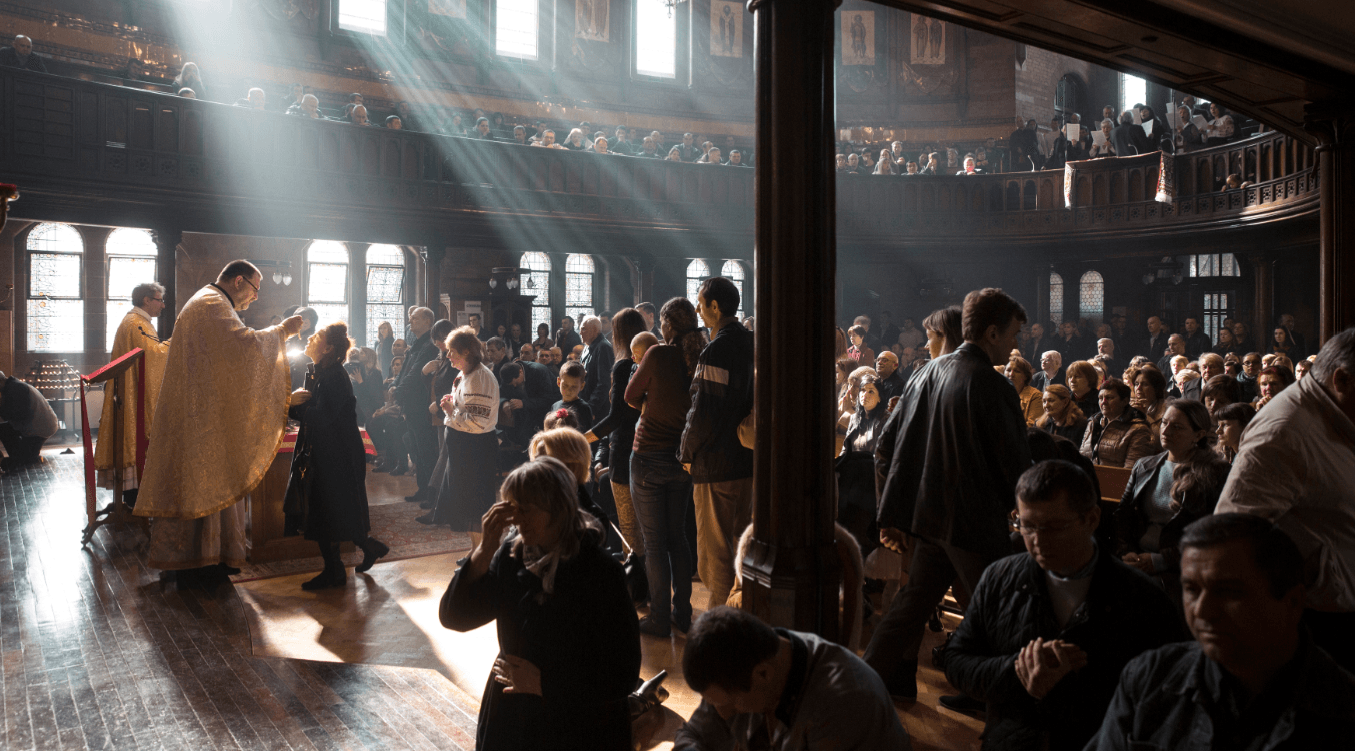
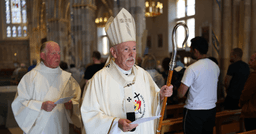
It was and still is a strongly Catholic area, and reflecting the diversity of its inhabitants, it used to be common for a town to have multiple Catholic churches catering to the different ethnic groups there. But there are also hints of another tradition – onion-domed churches whose names might include “Orthodox” but more often “Greek Catholic”, and with cemeteries whose headstones are inscribed in a mix of Ukrainian, Russian, Slovak and Hungarian.