
February 12, 2026

The best of the web: surviving communism, Marilynne Robinson, and a parish miracle

The Catholic Herald
More
Related
Min read
share

Slovak Catholics who survived communism

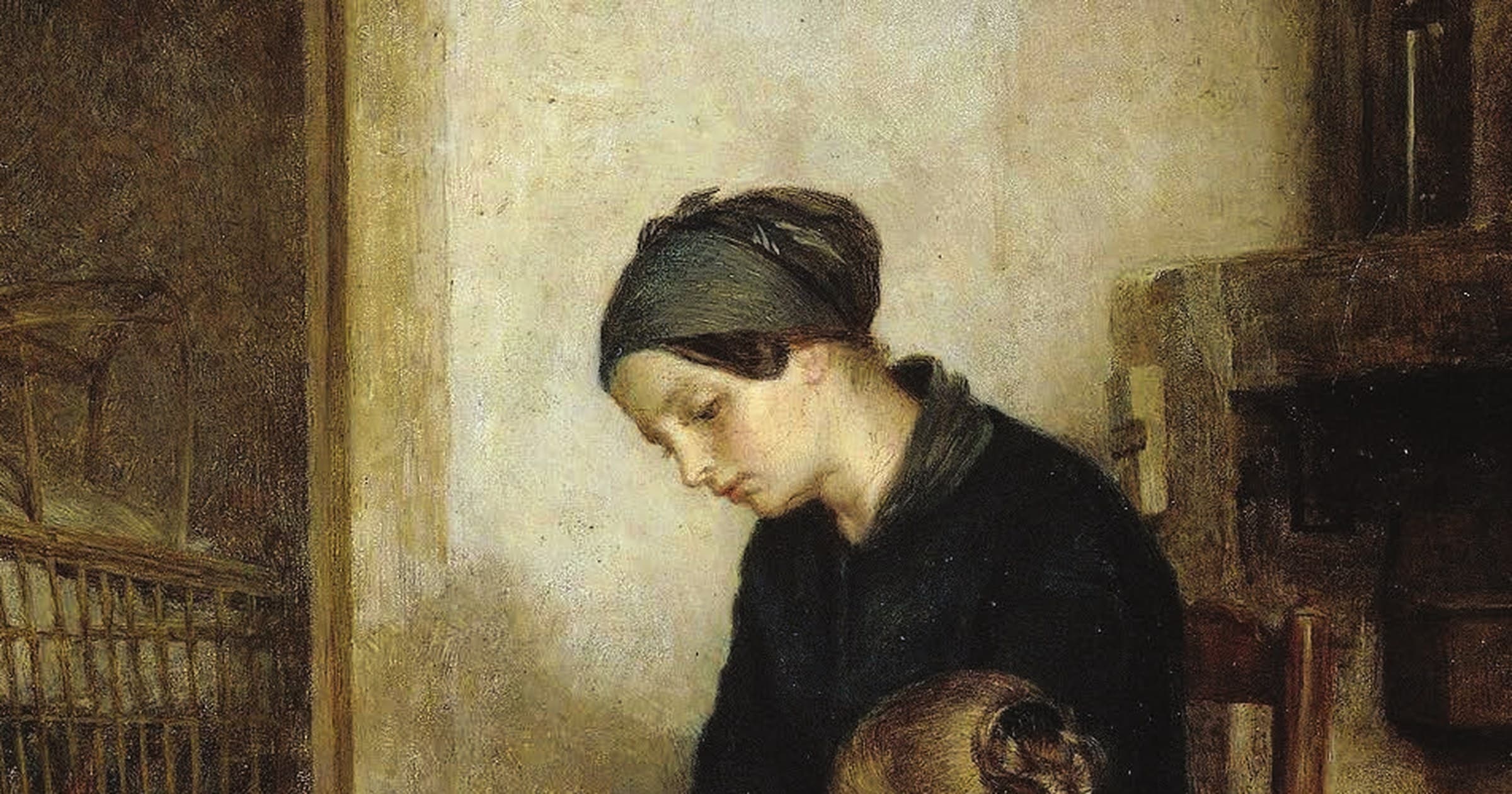
At the American Conservative, the Eastern Orthodox writer Rod Dreher introduced readers to the remarkable life of Fr Tomislav Kolaković, a Croatian-born Jesuit who was “responsible for organising the Slovakian underground Church” under communism.

In 1946, Fr Kolaković was deported from Slovakia and some of his circle were imprisoned. But by 1948 “the family”, as the Jesuit called it, numbered about 500. Fr Kolaković had taught them to beware of communist propaganda – and of American-style capitalism – and had given them spiritual formation to help them stay faithful amid persecution.
A large circle of leaders fostered small groups in a kind of “secret church”, in which people could pray and discuss social issues. They also created business and information networks, and circulated underground publications. By the early 1970s, according to the Slovak politician Jan Canogursky, “these groups covered the whole of Slovakia”.

In March 1988, the secret church helped to arrange mass demonstrations – the largest in 20 years. It hastened the fall of the communist regime.

Dreher wrote: “ knew that the standard Church structures would not be able to withstand the coming attacks.”

The network he inspired “did not stand in opposition to the official Church”; it was rather “a secret organisation that kept the faith at a time when for various reasons the official Church could not or would not do what it would have done in normal times.

“This ‘dedicated network of Christian communities’ is exactly what we need today!”

Grace and two very different novelists

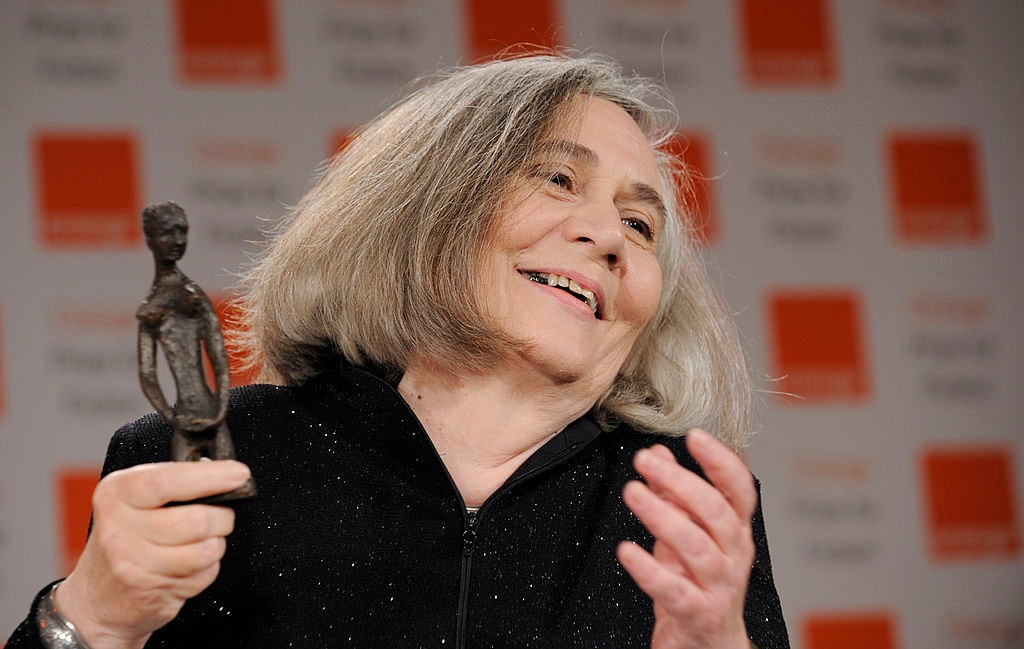
The novelist Marilynne Robinson has a dedicated following among Christians and non-Christians alike, wrote the Protestant scholar Jessica Hooten Wilson at Church Life Journal. But Robinson’s novels, though beautiful, ignore the problem of evil. In Robinson’s work, “grace is free for all, found everywhere, and in everything”. She paints over darkness and injustice, Wilson argued.

Compare her to Flannery O’Connor. In O’Connor’s novels, Wilson wrote, “evil is unavoidable and often stares back at you from the mirror. Grace costs, in an O’Connor story. As she writes in a letter, ‘It’s true that grace is the free gift of God but in order to put yourself in the way of being receptive to it, you have to practise self- denial.’”

Why a little parish is seeing steady growth

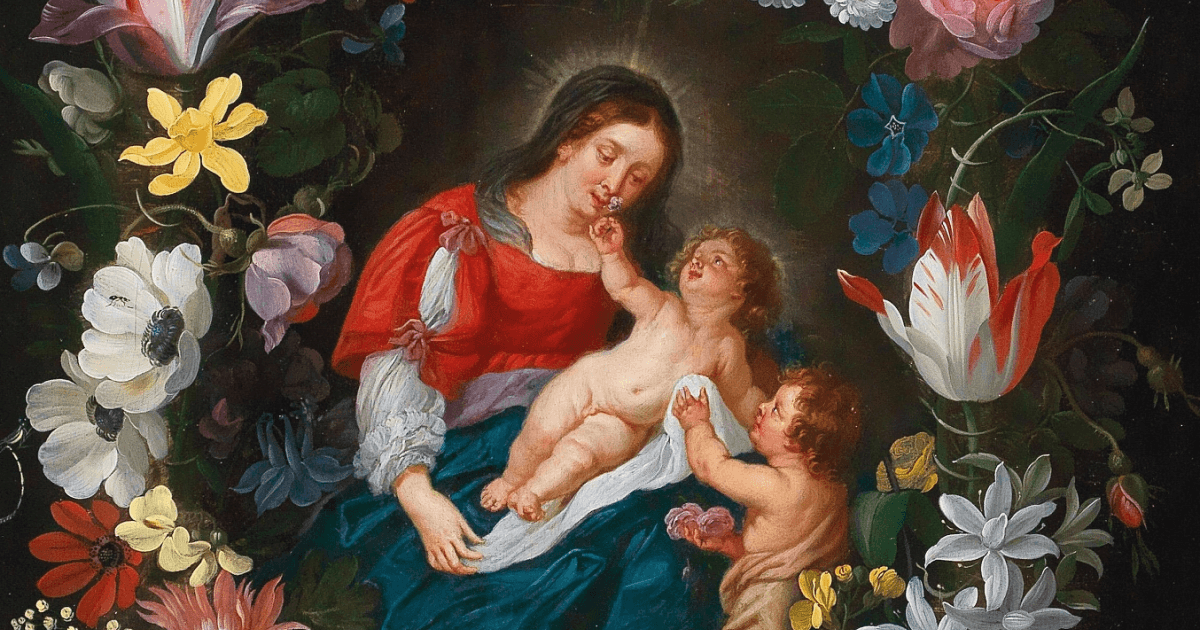
At his blog, Fr Ed Tomlinson reported “a modern miracle”. His parish, St Anselm’s in Pembury, Kent, has seen “steady growth”; the average age of the congregation is falling; and “there is a vibrancy to this parish which visitors notice and delight in”. Given that the church is drab from the outside, “a modest village church”, and that the clergy aren’t exactly “St John Vianney”, what accounts for the growth?

For Fr Tomlinson, it vindicates the approach of the ordinariate: “embracing the faith in fullness” and “rejecting modernism” has fostered growth. “If only more parishes would follow suit, I think the effect would be amazing.”

Slovak Catholics who survived communism

At the American Conservative, the Eastern Orthodox writer Rod Dreher introduced readers to the remarkable life of Fr Tomislav Kolaković, a Croatian-born Jesuit who was “responsible for organising the Slovakian underground Church” under communism.

In 1946, Fr Kolaković was deported from Slovakia and some of his circle were imprisoned. But by 1948 “the family”, as the Jesuit called it, numbered about 500. Fr Kolaković had taught them to beware of communist propaganda – and of American-style capitalism – and had given them spiritual formation to help them stay faithful amid persecution.

A large circle of leaders fostered small groups in a kind of “secret church”, in which people could pray and discuss social issues. They also created business and information networks, and circulated underground publications. By the early 1970s, according to the Slovak politician Jan Canogursky, “these groups covered the whole of Slovakia”.

In March 1988, the secret church helped to arrange mass demonstrations – the largest in 20 years. It hastened the fall of the communist regime.

Dreher wrote: “ knew that the standard Church structures would not be able to withstand the coming attacks.”

The network he inspired “did not stand in opposition to the official Church”; it was rather “a secret organisation that kept the faith at a time when for various reasons the official Church could not or would not do what it would have done in normal times.

“This ‘dedicated network of Christian communities’ is exactly what we need today!”

Grace and two very different novelists

The novelist Marilynne Robinson has a dedicated following among Christians and non-Christians alike, wrote the Protestant scholar Jessica Hooten Wilson at Church Life Journal. But Robinson’s novels, though beautiful, ignore the problem of evil. In Robinson’s work, “grace is free for all, found everywhere, and in everything”. She paints over darkness and injustice, Wilson argued.

Compare her to Flannery O’Connor. In O’Connor’s novels, Wilson wrote, “evil is unavoidable and often stares back at you from the mirror. Grace costs, in an O’Connor story. As she writes in a letter, ‘It’s true that grace is the free gift of God but in order to put yourself in the way of being receptive to it, you have to practise self- denial.’”

Why a little parish is seeing steady growth

At his blog, Fr Ed Tomlinson reported “a modern miracle”. His parish, St Anselm’s in Pembury, Kent, has seen “steady growth”; the average age of the congregation is falling; and “there is a vibrancy to this parish which visitors notice and delight in”. Given that the church is drab from the outside, “a modest village church”, and that the clergy aren’t exactly “St John Vianney”, what accounts for the growth?

For Fr Tomlinson, it vindicates the approach of the ordinariate: “embracing the faith in fullness” and “rejecting modernism” has fostered growth. “If only more parishes would follow suit, I think the effect would be amazing.”

subscribe to
the catholic herald

Continue reading your article with a subscription.
Read 5 articles with our free plan.
Subscribe

subscribe to the catholic herald today

Our best content is exclusively available to our subscribers. Subscribe today and gain instant access to expert analysis, in-depth articles, and thought-provoking insights—anytime, anywhere. Don’t miss out on the conversations that matter most.
Subscribe