

February 12, 2026

The big story: Order of Malta bans Old Mass

Staff writers
More
Related
Min read
share

What happened?

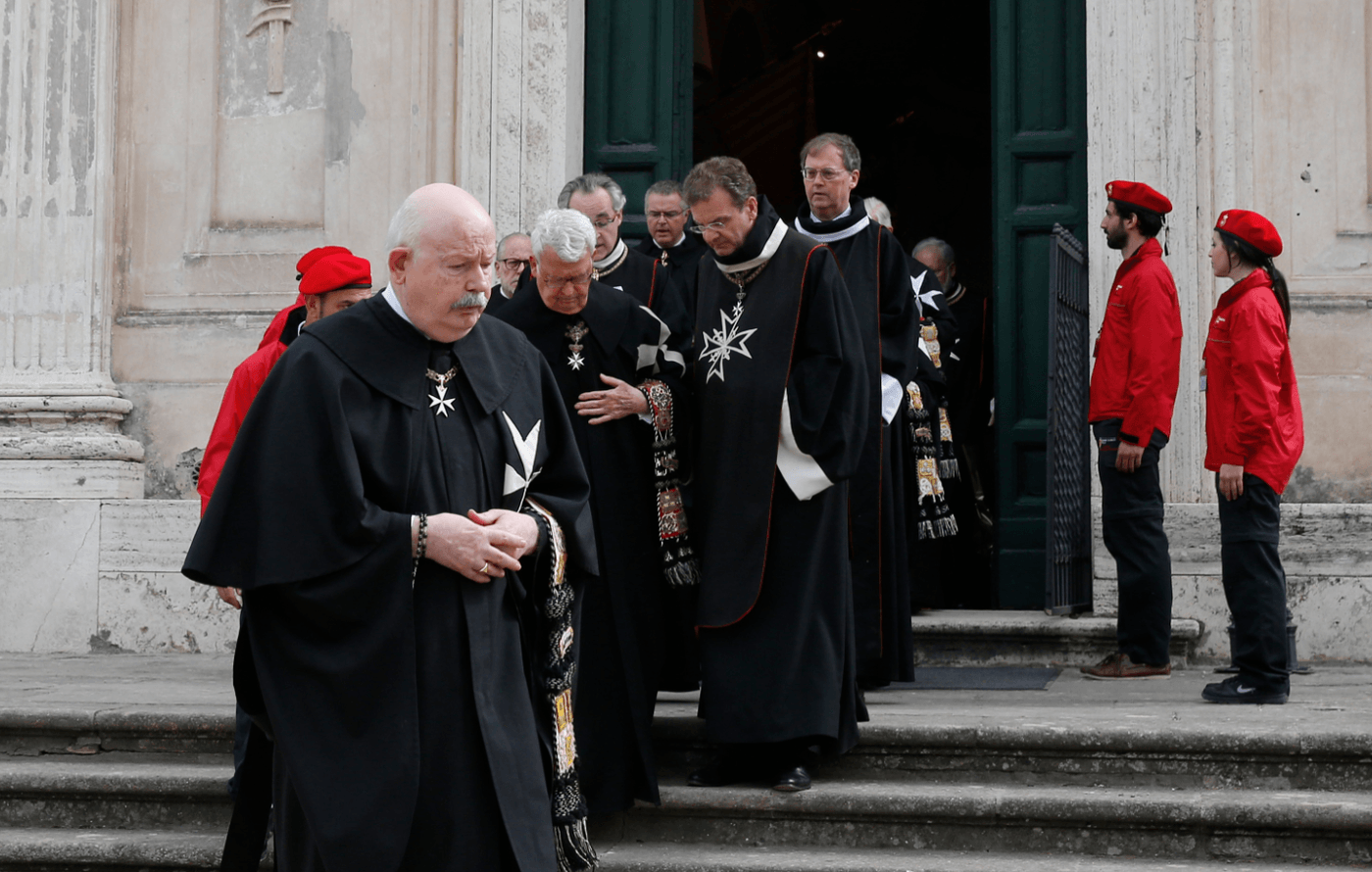
the Grand Master of the Order of Malta has banned public liturgical ceremonies in the Extraordinary Form of the Roman Rite.

A letter from Fra’ Giacomo Dalla Torre was sent to all grand priory and national association presidents saying that “henceforth all the liturgical ceremonies within our Order must be performed according to the ordinary rite of the Church … and not the extraordinary rite (Tridentine rite).” The order was to be put into practice “immediately”.
What Order of Malta members said


Few Order of Malta members spoke out. As Edward Pentin wrote in the National Catholic Register: “Many of the members we spoke to asked not to be named due to fear of retaliation, complaining the order is being run like a ‘dictatorship’ and that its leaders are ‘unchallengeable’.”

In the Tablet magazine, Christopher Lamb quoted a source “inside the order” as saying that the Extraordinary Form was banned because it had become the focus of a wider project to make the Order “a bastion of traditionalism”. “That is perfectly all right on its own,” the source said, “but in practice this meant a subversion or distraction from the order’s charism.”

Pentin quoted a “well-placed source” as claiming that the ban was the initiative of Baron Albrecht von Boeselager, the Grand Chancellor.

What commentators said


FIUV, a group of international associations attached to the Extraordinary Form, said that the Grand Master’s letter “neglects the rights of the faithful”. Although the letter cites Pope Benedict XVI’s Summorum Pontificum, FIUV said, it overlooks that Benedict “explicitly allows religious communities” to have Mass in the Extraordinary Form without the permission of the major superior (in this case the Grand Master). “His permission is required only in cases where the community ‘wishes to have such celebrations frequently, habitually or permanently’.”

A canonist member of the order told the National Catholic Register that Benedict’s ruling did not authorise superiors “to prohibit or eliminate or make the Extraordinary Form practically impossible”.

What happened?

the Grand Master of the Order of Malta has banned public liturgical ceremonies in the Extraordinary Form of the Roman Rite.

A letter from Fra’ Giacomo Dalla Torre was sent to all grand priory and national association presidents saying that “henceforth all the liturgical ceremonies within our Order must be performed according to the ordinary rite of the Church … and not the extraordinary rite (Tridentine rite).” The order was to be put into practice “immediately”.
What Order of Malta members said


Few Order of Malta members spoke out. As Edward Pentin wrote in the National Catholic Register: “Many of the members we spoke to asked not to be named due to fear of retaliation, complaining the order is being run like a ‘dictatorship’ and that its leaders are ‘unchallengeable’.”

In the Tablet magazine, Christopher Lamb quoted a source “inside the order” as saying that the Extraordinary Form was banned because it had become the focus of a wider project to make the Order “a bastion of traditionalism”. “That is perfectly all right on its own,” the source said, “but in practice this meant a subversion or distraction from the order’s charism.”

Pentin quoted a “well-placed source” as claiming that the ban was the initiative of Baron Albrecht von Boeselager, the Grand Chancellor.

What commentators said


FIUV, a group of international associations attached to the Extraordinary Form, said that the Grand Master’s letter “neglects the rights of the faithful”. Although the letter cites Pope Benedict XVI’s Summorum Pontificum, FIUV said, it overlooks that Benedict “explicitly allows religious communities” to have Mass in the Extraordinary Form without the permission of the major superior (in this case the Grand Master). “His permission is required only in cases where the community ‘wishes to have such celebrations frequently, habitually or permanently’.”

A canonist member of the order told the National Catholic Register that Benedict’s ruling did not authorise superiors “to prohibit or eliminate or make the Extraordinary Form practically impossible”.

subscribe to
the catholic herald

Continue reading your article with a subscription.
Read 5 articles with our free plan.
Subscribe

subscribe to the catholic herald today

Our best content is exclusively available to our subscribers. Subscribe today and gain instant access to expert analysis, in-depth articles, and thought-provoking insights—anytime, anywhere. Don’t miss out on the conversations that matter most.
Subscribe